Four Seasons in Korea: How Daily Life Changes Throughout the Year
Discover how Korea's four distinct seasons transform daily life. From cherry blossoms in spring to snowy winters, learn about seasonal foods, activities, weather patterns, and…
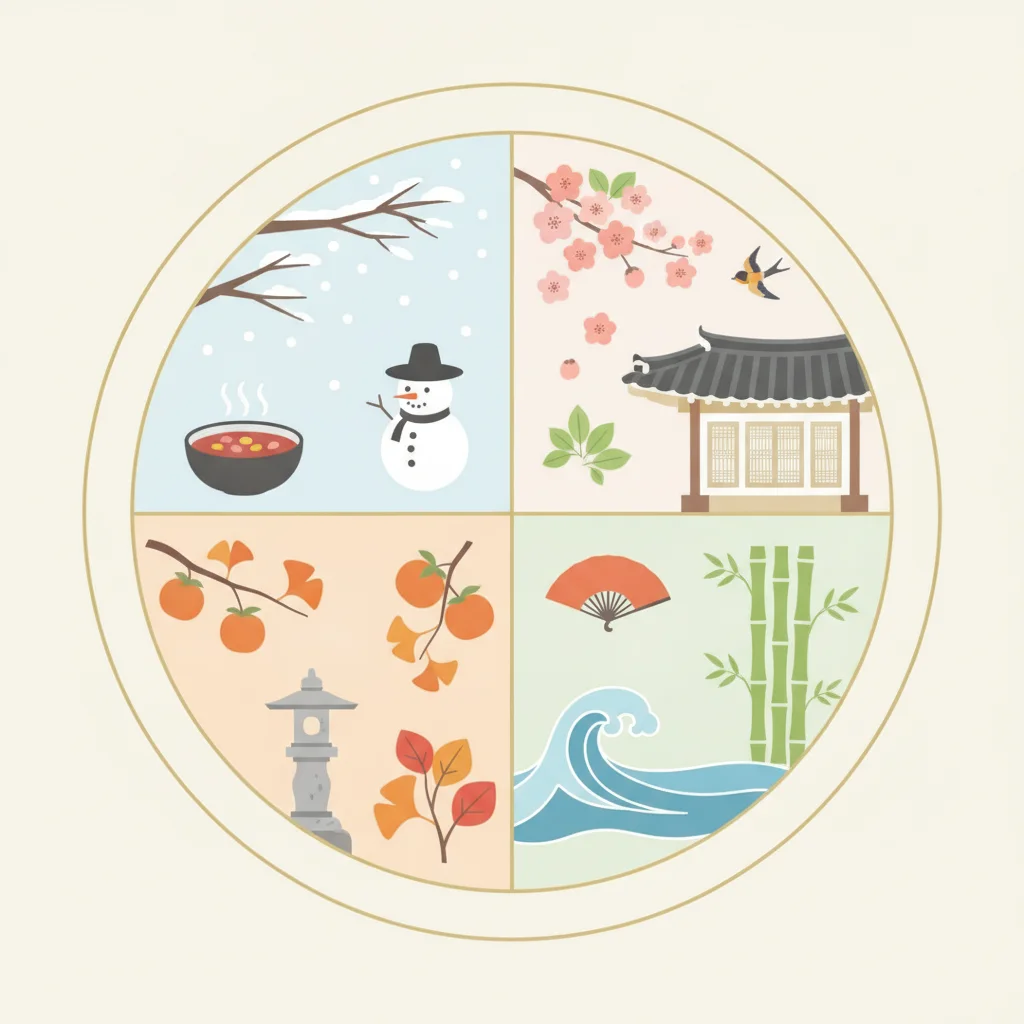
Korea has four distinct seasons that dramatically change daily life. Spring (March-May) brings cherry blossoms, summer (June-August) brings heat and monsoons, autumn (September-November) offers perfect weather and foliage, and winter (December-February) brings snow and cozy indoor culture. Each season has unique foods, activities, and lifestyle adjustments.
One reason many people enjoy living here is the distinct character of the four seasons in Korea. Unlike places with relatively stable weather year-round, they bring noticeable changes that influence food, clothing, activities, and daily routines, as detailed in this overview of the climate of South Korea.
Understanding how these seasons shift can help newcomers prepare more effectively and fully appreciate what each one has to offer. For up-to-date forecasts, many residents rely on the Korea Meteorological Administration.

1. Spring: Four Seasons in Korea Begin
Spring is often considered one of the most pleasant times of the year. Temperatures become milder, flowers begin to bloom, and outdoor activities increase.
Spring in Korea
March – May
10°C – 20°C (50°F – 68°F)
Cherry blossoms, mild weather
Light layers, light jacket
Cherry Blossom Season (벚꽃)
Cherry blossoms attract residents and tourists alike. Parks, riverside paths, and university campuses become popular destinations during this period, and the Korea Tourism Organization publishes annual bloom forecasts to help travelers plan around the first season of the year.
- Yeouido (Seoul) – Famous riverside cherry blossom festival
- Jinhae (Gyeongnam) – Korea’s largest cherry blossom festival
- Seokchon Lake (Seoul) – Near Lotte World, beautiful lake views
- Gyeongju – Historic sites surrounded by blossoms
- University campuses – Korea University, Yonsei, SNU
Spring Considerations
Spring also brings yellow dust (황사) from China and fine dust (미세먼지). Many residents check air quality apps and wear masks on high-pollution days, a routine that is part of adapting to the seasons here.
2. Summer Among the Four Seasons in Korea: Heat and Rain
Korean summers can be hot and humid, with temperatures often exceeding 30°C (86°F). Of all the seasons, summer demands the biggest lifestyle adjustments.
Summer in Korea
June – August
25°C – 35°C (77°F – 95°F)
Very high (70-90%)
Late June – Late July
Monsoon Season (장마)
The rainy season typically brings periods of heavy rainfall. Many residents carry umbrellas regularly during this time. Flooding can occasionally affect transportation and outdoor plans.
Cold Foods Become Popular
Koreans embrace seasonal eating. Summer favorites include:
| Food | Korean Name | Description |
|---|---|---|
| Cold Noodles | 냉면 (Naengmyeon) | Icy buckwheat noodles in cold broth |
| Shaved Ice | 빙수 (Bingsu) | Shaved ice with toppings, sweet beans |
| Cold Soup | 콩국수 (Kongguksu) | Noodles in cold soy milk broth |
| Samgyetang | 삼계탕 | Hot ginseng chicken soup (ironically!) |
| Watermelon | 수박 | Essential summer fruit |
Summer Activities
- Beaches – Haeundae (Busan), Gyeongpo (Gangneung)
- Water parks – Caribbean Bay, Ocean World
- Valley camping – Mountain streams for cooling off
- Music festivals – Various summer music events
- Air-conditioned cafés – A Korean summer essential
3. Autumn, the Most Comfortable of the Four Seasons in Korea
Many people consider autumn the best season in Korea. Cool temperatures and colorful foliage make it the most comfortable stretch of the year for outdoor activities.
Autumn in Korea
September – November
10°C – 25°C (50°F – 77°F)
Fall foliage, clear skies
October
Mountain Hiking Season
Mountain hiking and weekend trips become particularly popular. Korea’s mountains transform into stunning displays of red, orange, and yellow.
- Seoraksan – First to change, stunning peaks
- Naejangsan – Famous for red maple leaves
- Bukhansan (Seoul) – Accessible from the city
- Namsan (Seoul) – City views with fall colors
- Gyeongju – Historic sites amid autumn scenery
Autumn Foods
Seasonal foods like persimmons, chestnuts, sweet potatoes, and new rice become widely available. Many Koreans enjoy outdoor cooking and picnics during this comfortable stretch of the year.

4. Winter: The Coldest of the Four Seasons in Korea
Winter temperatures can drop below freezing in many regions, especially in the northern and mountainous areas, making it the coldest season of the year.
Winter in Korea
December – February
-10°C – 5°C (14°F – 41°F)
Common in most regions
Ondol (underfloor heating)
Ondol Heating Systems (온돌)
Traditional underfloor heating helps homes remain comfortable during colder months. This unique Korean heating system warms floors directly, making sitting and sleeping on the floor cozy even in freezing weather.
Seasonal Activities
Winter festivals, holiday decorations, and snowy landscapes contribute to a unique atmosphere that closes out the yearly cycle.
| Activity | Location | Notes |
|---|---|---|
| Ski Resorts | Pyeongchang, Gangwon-do | World-class facilities from 2018 Olympics |
| Ice Fishing | Hwacheon, Pyeongchang | Catch and eat fresh fish |
| Christmas Markets | Seoul, major cities | European-style markets |
| Hot Springs | Busan, Asan | Warm up in natural springs |
| Jjimjilbang | Nationwide | Korean spas, perfect for cold days |
Winter Foods
- Hotteok (호떡) – Sweet pancakes with brown sugar filling
- Bungeoppang (붕어빵) – Fish-shaped pastry with red bean
- Tteokguk (떡국) – Rice cake soup for New Year
- Kimchi jjigae – Hot and spicy kimchi stew
- Roasted chestnuts – Street food staple
5. Seasonal Calendar: The Four Seasons in Korea at a Glance
This overview ties together how each season unfolds across the year.
| Season | Months | Weather | Must-Do |
|---|---|---|---|
| Spring | Mar-May | Mild, occasional dust | Cherry blossom viewing |
| Summer | Jun-Aug | Hot, humid, rainy | Beach trips, bingsu |
| Autumn | Sep-Nov | Cool, clear, perfect | Mountain hiking, foliage |
| Winter | Dec-Feb | Cold, snowy | Skiing, hot springs |
6. Conclusion: Living Through Korea’s Seasons
Each of the four seasons in Korea offers a different perspective on Korean life. Understanding the four seasons in Korea can help foreign residents and visitors make the most of their experiences throughout the year.
From cherry blossoms in spring to snowy ski slopes in winter, they provide constantly changing backdrops for daily life and adventure.
“In Korea, you don’t just experience weather changes—you experience an entirely different lifestyle with each season.”
Related Guides on Seasons and Life in Korea
- Seasonal Foods in Korea
- Korean Street Food Culture
- Korean Skincare (K-Beauty) Guide
- What Everyday Life in Korea Is Really Like
- Why Cafés Are Important in Korean Culture