Korean Café Culture: Why Cafés Play Such an Important Role in Daily Life
Korean café culture goes beyond coffee. Discover why cafés serve as study spaces, remote work locations, and social hubs in Korea. Guide to franchise chains,…
Korean cafés are more than coffee shops—they serve as study spaces, remote work locations, meeting spots, and social hubs. With thousands of cafés ranging from large franchises to unique independent shops, Korean café culture has become an essential part of everyday Korean life.
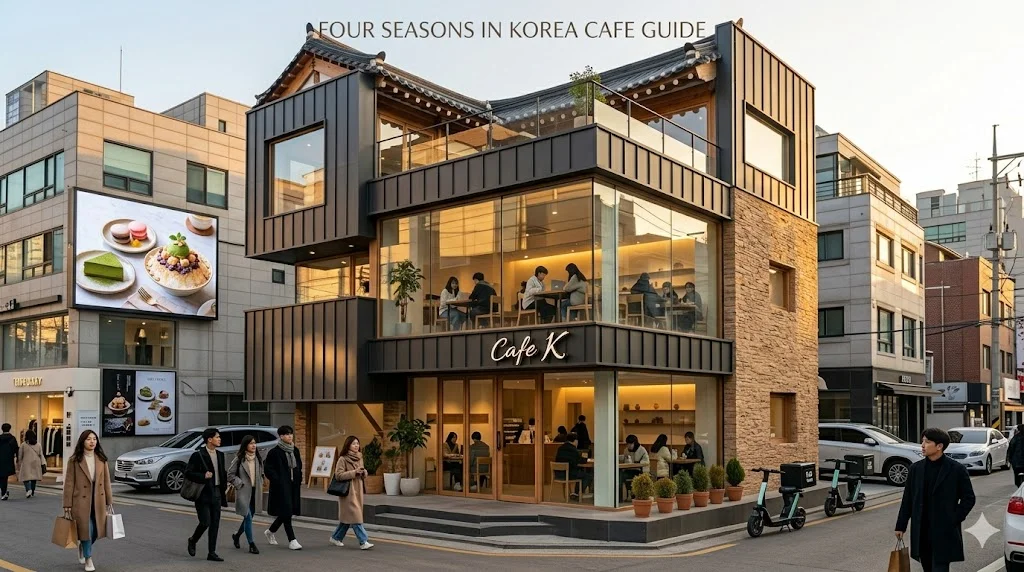
Many visitors arrive in Korea expecting to see famous palaces, bustling markets, and popular K-pop attractions. What often surprises them is the sheer number of cafés. From large franchise coffee shops to small independent cafés tucked away in quiet neighborhoods, Korean café culture has become an important part of modern daily life, and it shapes how people relax, work, and socialize every single day.
For foreign residents, cafés are more than places to buy coffee. They often function as study spaces, meeting spots, remote work locations, and social gathering places. Understanding Korean café culture offers valuable insight into how people spend their free time and connect with others. It is a daily ritual that goes far beyond the drink in the cup.
1. The Growth of Korean Café Culture and Coffee
Coffee was not always such a major part of Korean daily life. Tea traditionally played a larger role in Korean culture, but café culture eventually reshaped how an entire country drinks and gathers.
Over the past few decades, however, coffee consumption has grown rapidly. Today, cafés can be found almost everywhere, from busy commercial districts to residential neighborhoods. This explosive rise mirrors the global coffeehouse culture that turned coffee shops into community landmarks, yet Korean café culture developed its own distinctive identity along the way.
Korea’s Coffee Culture by Numbers
18,000+ locations
353 cups per person
One of the fastest globally
20s-30s
Many Koreans start their day with coffee, meet friends in cafés after work, or spend weekends exploring unique coffee shops. These everyday habits are exactly what makes Korean café culture so visible to newcomers.
2. Cafés as Community Spaces in Korean Café Culture
Unlike some countries where coffee is mainly consumed on the go, Korean cafés often encourage customers to stay. This welcoming approach sits at the heart of Korean café culture.
Comfortable seating, large tables, and quiet environments make cafés attractive places for studying, reading, or working.
- Studying – Students often study for exams in cafés
- Remote Work – Freelancers and office workers use cafés as offices
- Social Meetings – Friends meet for conversation over coffee
- Dating – Cafés are popular first-date locations
- Relaxation – Reading, journaling, or simply unwinding
This culture of lingering in cafés is one reason why Korean coffee shops are designed with comfort in mind, and it is a defining feature of café culture across the country.
3. Different Types of Cafés in Korean Café Culture
Not all Korean cafés are the same. Understanding the different types within Korean café culture can help you find the right spot for your needs.
Large Franchise Cafés
Well-known chains offer consistency and convenience. They are often located near subway stations, office districts, and universities.
| Franchise | Characteristics | Best For |
|---|---|---|
| Starbucks | Global brand, consistent quality | Remote work, familiar environment |
| Ediya | Affordable prices, many locations | Budget-friendly coffee |
| Mega Coffee | Large sizes, value pricing | Quantity over specialty |
| Blue Bottle | Premium specialty coffee | Coffee enthusiasts |
| Hollys | Korean chain, cozy atmosphere | Studying, meetings |
Many foreign residents use these cafés as reliable places to work or meet friends, and they are often a newcomer’s first introduction to Korean café culture.
Independent Neighborhood Cafés
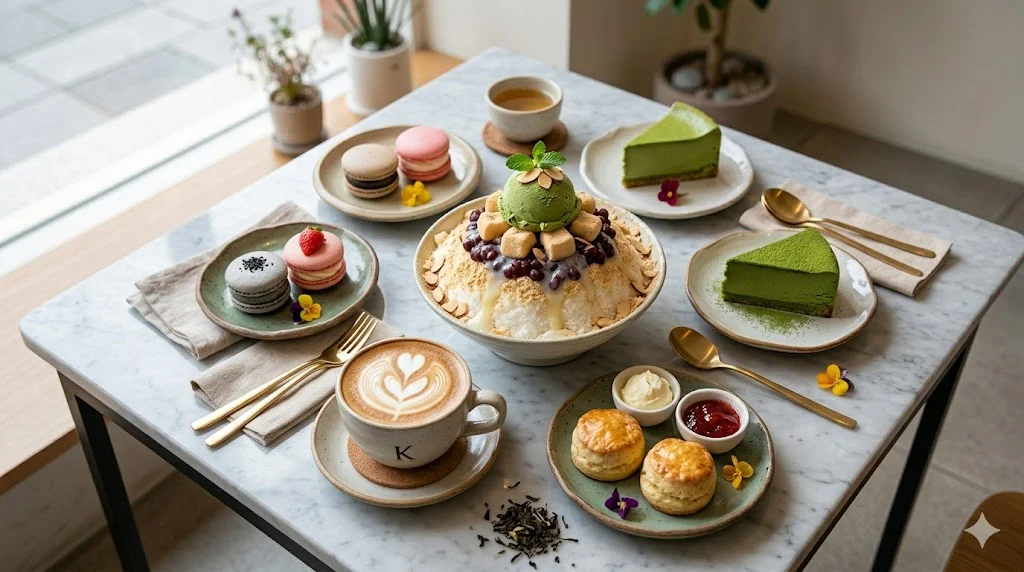
Smaller cafés often emphasize atmosphere and creativity. Owners may focus on specialty coffee, unique interior design, or handmade desserts.
- Unique Themes – Book cafés, plant cafés, art cafés
- Specialty Coffee – Single-origin beans, expert brewing
- Handmade Desserts – Fresh pastries and cakes
- Instagram-worthy Design – Photo-friendly interiors
- Local Character – Reflects the neighborhood vibe
These cafés can offer a more personal experience and often reflect the character of the surrounding neighborhood. The official Korea Tourism Organization highlights many of these independent spots as must-visit destinations for travelers curious about café culture.
Themed and Specialty Cafés
Korea is known for creative café concepts that go beyond traditional coffee shops, and these themed venues are some of the most playful expressions of Korean café culture.
Popular Café Themes in Korea
Cat, dog, raccoon, sheep cafés
Play games while enjoying drinks
Traditional Korean house setting
Focus on cakes, bingsu, pastries
Designed specifically for studying
4. Café Etiquette in Korean Café Culture
Most café customs are easy to learn, and knowing the basics will help you feel at home within Korean café culture.
Ordering Process
Customers usually order at the counter, receive a pager or order number, and collect their drinks when ready. Some cafés bring orders directly to your table.
Staying for Extended Periods
Many cafés allow customers to stay for extended periods after purchasing a drink. This practice is particularly common among students and remote workers.
However, during busy periods, being mindful of limited seating is appreciated. Some cafés may have time limits during peak hours.
General Etiquette Tips
- One drink minimum – Purchase at least one item to use the space
- Keep noise low – Many people are studying or working
- Clean up – Return trays to designated areas
- Respect time limits – Follow posted rules during busy times
- Use headphones – For calls or watching videos
5. Best Neighborhoods to Explore Korean Café Culture
For foreign residents wanting to explore Korean café culture, certain neighborhoods are particularly known for their café scenes. Government resources such as Korea.net regularly feature these districts as cultural highlights worth visiting.

| Neighborhood | Location | Known For |
|---|---|---|
| Seongsu-dong | Seoul | Industrial-chic cafés, rooftop spots |
| Ikseon-dong | Seoul | Hanok cafés, traditional atmosphere |
| Yeonnam-dong | Seoul | Hipster cafés, quiet streets |
| Mangwon-dong | Seoul | Local favorites, bakery cafés |
| Haeundae | Busan | Ocean view cafés |
Spending a weekend café-hopping in these areas is a popular activity among both Koreans and foreigners, and it remains one of the best ways to experience café culture firsthand.
6. Conclusion: Why Korean Café Culture Matters
Cafés have become an essential part of contemporary Korean culture. They provide spaces for work, study, relaxation, and social interaction, and together they form the backbone of Korean café culture.
For foreigners living in Korea, spending time in local cafés can be an enjoyable way to observe everyday life and experience modern Korean culture firsthand. Embracing café culture is one of the simplest ways to feel connected to daily life in Korea.
“Korean café culture isn’t just about coffee—it’s about creating a third space between home and work where life happens.”
Related Guides on Café Culture and Korean Life
- Korean Street Food Culture
- Understanding Korean Workplace Culture
- What Everyday Life in Korea Is Really Like
- Why Convenience Stores Are So Important
- Korean Skincare (K-Beauty) Guide