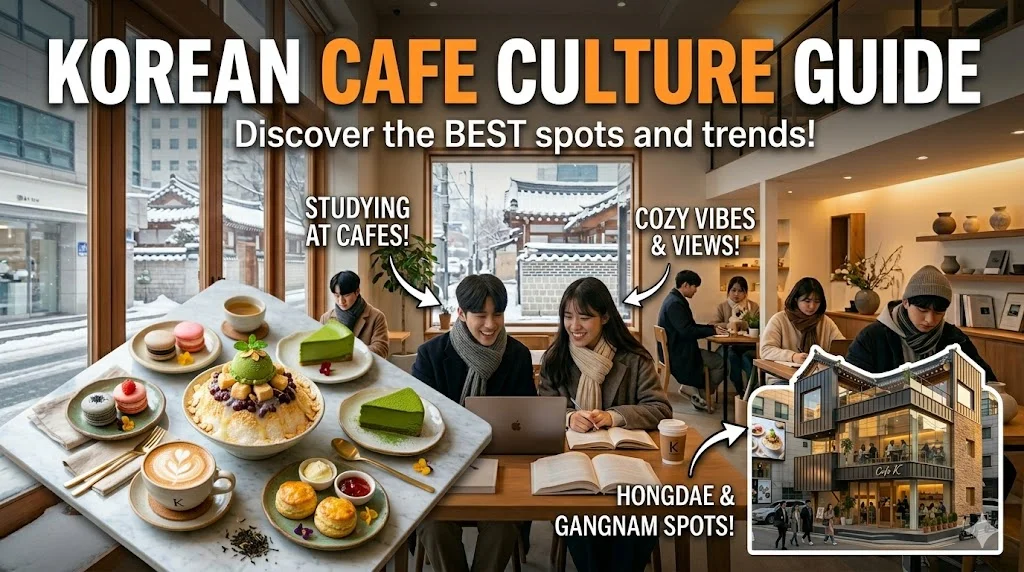
What Everyday Life in Korea Is Really Like Beyond the Global K-Pop Image
Daily life in Korea is often quite different from K-pop and K-dramas. Discover how tradition and modernity coexist, from fast-paced cities to family values and…
Life in Korea is often very different from what K-Pop, K-dramas, and social media suggest. For many people around the world, Korea is first introduced through these glossy cultural exports. Yet real life in Korea—the daily routines, social customs, and everyday experiences—tells a different story that foreigners planning to visit or live here should understand.
However, daily life here is often quite different from what appears on stage, on television, or in social media content. For foreigners planning to visit, study, or work in South Korea, understanding everyday life can help create more realistic expectations and a smoother adjustment.
Having spent time observing how locals and foreign residents navigate daily routines, one thing becomes clear: living here is shaped by a country where tradition and modernity coexist in ways that can feel both familiar and surprising.
Modern Cities Shape Daily Life in Korea
One of the first things many newcomers notice about living here is the pace.
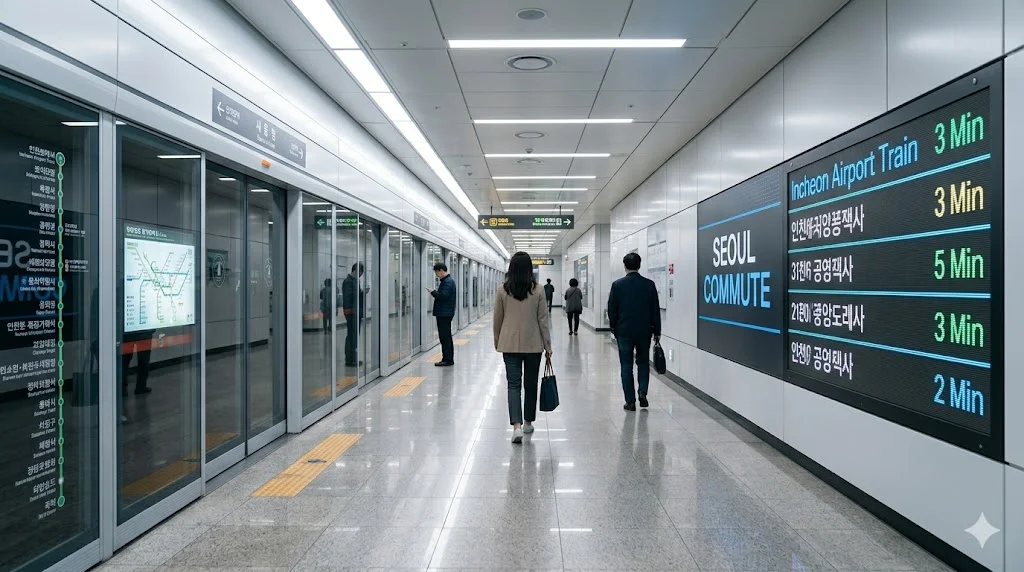
Cities such as Seoul, Busan, and Incheon operate at a fast rhythm. Public transportation is efficient, delivery services are highly developed, and many businesses remain open later than visitors might expect. Resources like the Korea Tourism Organization can help newcomers understand how these cities work.
Public Transportation Shapes Daily Life
Many residents rely heavily on buses and subways rather than private cars. In Seoul especially, it is possible to commute, shop, meet friends, and explore the city without owning a vehicle.
The transportation network is connected through convenient payment systems, making daily travel relatively straightforward even for newcomers.
Convenience Is Part of the Culture
Food delivery, online shopping, and mobile payments are integrated into everyday routines. Many services that may take several days elsewhere can often be completed within hours here.
This emphasis on convenience influences how people organize their schedules and expectations.
Traditional Values Still Shape Life in Korea
Although Korea is highly modern, many traditional cultural values continue to play an important role in everyday life.
Respect for Age and Experience
Age often influences social interactions. People may ask about age earlier in a conversation than foreigners are accustomed to because it helps determine language use and social hierarchy.
This practice is generally not intended to be intrusive. Instead, it reflects long-standing cultural norms.
Family Connections Remain Strong
Family relationships continue to hold significant importance. Many major holidays focus on family gatherings, and people often travel long distances to spend time with relatives during special occasions.
Even younger generations who embrace global trends frequently maintain connections to these traditions.

Daily Food Culture and Everyday Eating Habits
Many visitors first experience Korean food through restaurants abroad. Daily eating habits at home can look somewhat different.
Home Meals Are Often Simple
While Korean cuisine is famous for dishes such as barbecue, many people eat simpler meals during busy weekdays.
Rice, soup, vegetables, and side dishes remain common components of home cooking.
Convenience Store Meals Are Common
Convenience stores have become a practical option for students, workers, and travelers. Ready-made meals, snacks, coffee, and basic groceries are widely available.
For some foreign residents, convenience stores become an important part of adjusting to their new surroundings during the first few months.
Foreign Residents and Life in Korea Today
Korea has become increasingly international over the past two decades, and foreign residents are now a visible part of daily life here.
Universities welcome international students, companies hire global talent, and multicultural communities continue to grow. Official portals such as Korea.net offer guidance that makes everyday life easier to navigate.
International Communities Exist Throughout Korea
Although Seoul attracts much attention, foreign residents can be found in cities and regions across the country. Universities, industrial areas, and business districts often have diverse populations.
Learning Basic Korean Helps
Many services now provide multilingual support, but basic Korean language skills can significantly improve everyday experiences.
Simple phrases used in transportation, shopping, and dining can make interactions smoother and help build confidence.
Life in Korea Is More Diverse Than Many Expect
International media sometimes presents Korea as culturally uniform. In reality, regional differences, generational perspectives, and individual lifestyles create a much more complex picture of everyday life.
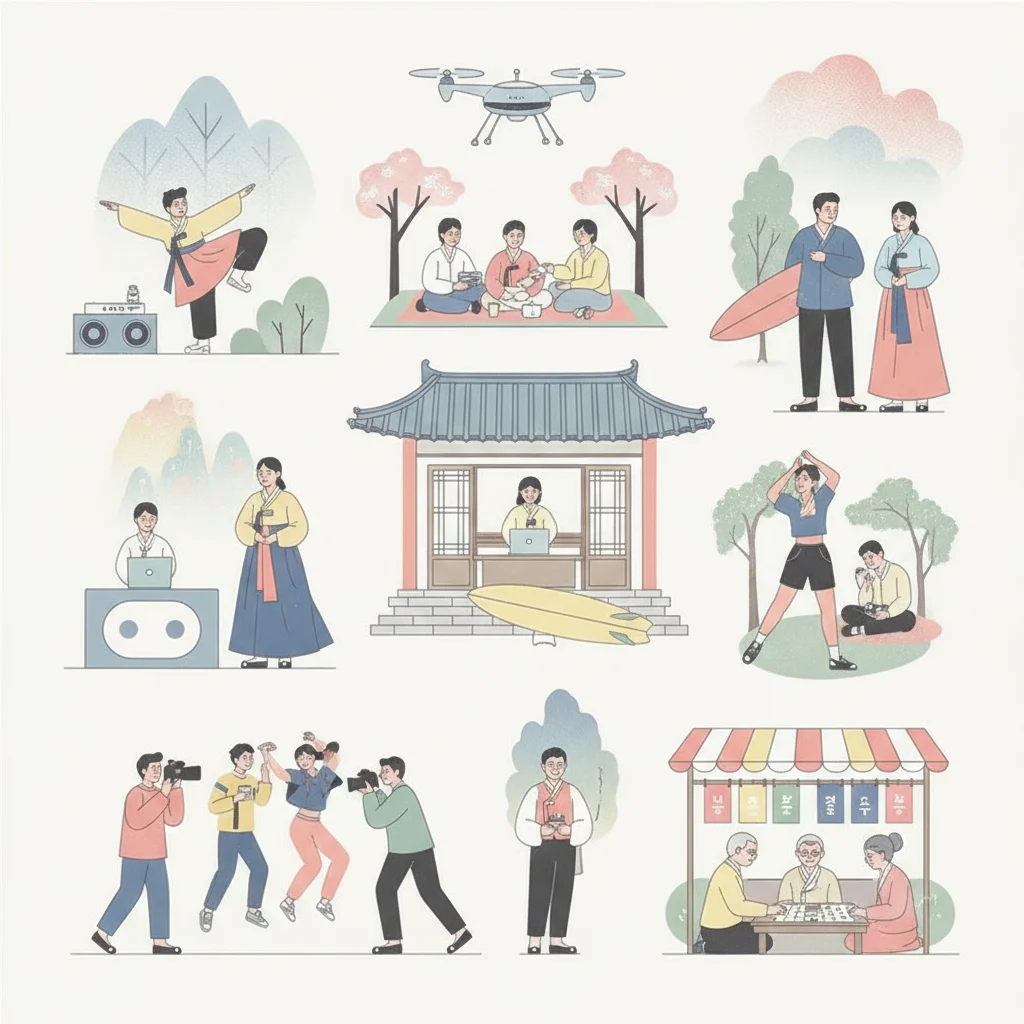
Young professionals in Seoul, university students in Daejeon, fishermen in coastal towns, and farmers in rural regions may all experience the country differently.
Understanding this diversity helps visitors move beyond stereotypes and appreciate the country more deeply.
Conclusion: Looking Beyond the K-Pop Image of Life in Korea
K-pop, K-dramas, K-food, and K-beauty have introduced millions of people to Korea, but everyday life here extends far beyond these global trends.

Modern infrastructure, strong family traditions, efficient services, evolving international communities, and regional diversity all contribute to the Korean experience. For foreigners planning to visit or live in the country, approaching it with curiosity and realistic expectations often leads to a richer and more rewarding experience.
The next article in this series will explore one of the most practical aspects of daily life here: understanding how the country’s public transportation system works.
Related Guides on Everyday Life in Korea
- Korea Public Transportation Guide
- Why Convenience Stores Are So Important in Korea
- Why Cafés Are Important in Korean Culture
- Understanding Korean Workplace Culture
- How Daily Life Changes Through the Four Seasons
Frequently Asked Questions
Is Korea very different from what is shown in K-dramas?
K-dramas often highlight certain lifestyles and dramatic situations. While some locations and cultural elements are realistic, everyday life is generally more routine and less glamorous than television portrayals.


Can foreigners live comfortably in Korea without speaking Korean?
Many foreigners do, especially in larger cities. However, learning basic Korean can make daily tasks, social interactions, and long-term adaptation much easier.
Is Korea only about Seoul?
No. Seoul is Korea’s largest city, but other regions offer different cultures, foods, landscapes, and lifestyles. Many visitors find that exploring outside Seoul provides a broader understanding of the country.