Study in Korea Guide: Visa, Tuition, Part-time Work Rules for International Students
Complete guide for international students planning to study in Korea. Covers academic culture, attendance policies, making friends, daily life challenges, costs, and tips for success…
Study in Korea: What You Need to Know
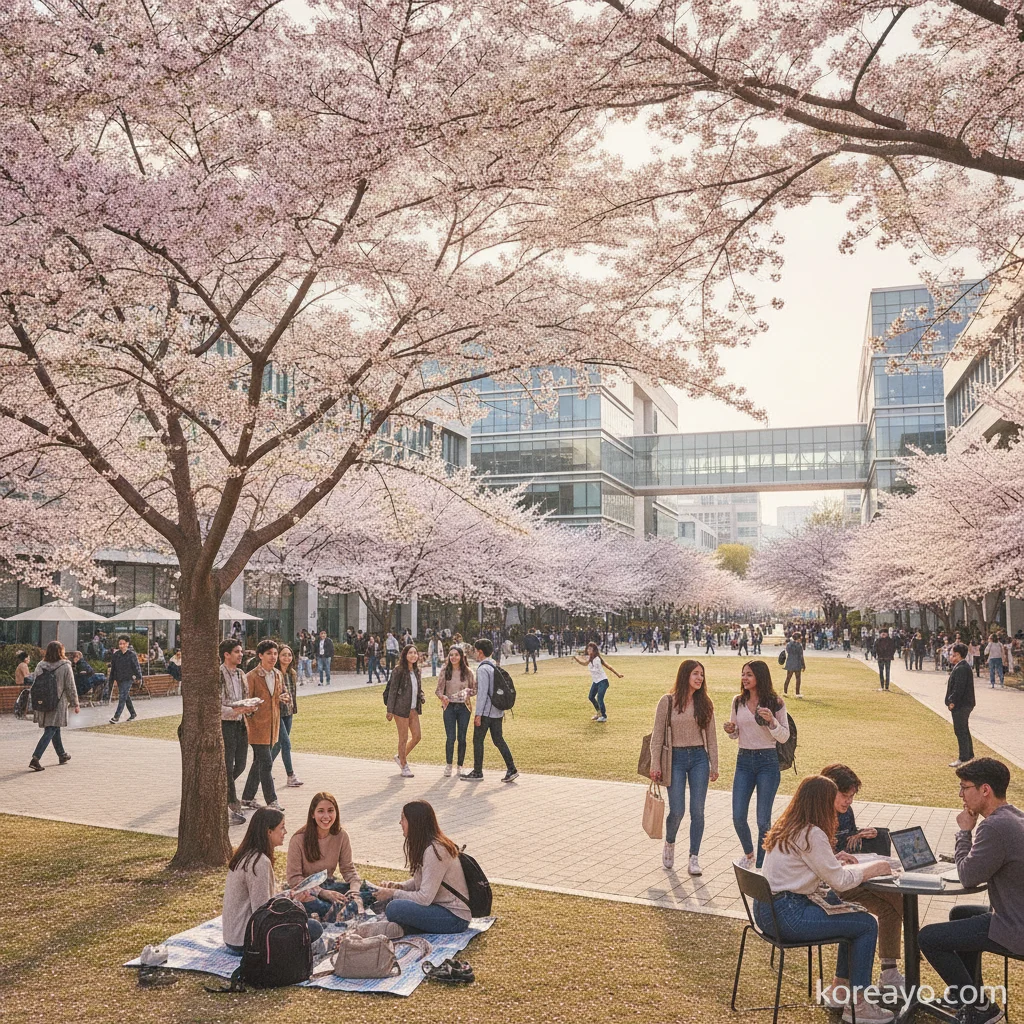
Study in Korea has become increasingly popular. Those who study in Korea enjoy quality education and cultural immersion. Korea has become a top destination for international students, offering quality education. Many choose to study in Korea for affordable tuition, affordable tuition compared to Western universities, and immersion in a dynamic culture. This guide covers everything from visa requirements. Also check our banking guide for student accounts to part-time work rules and daily student life.
Study in Korea: Student Visa Types
D-2 Visa (Academic Studies)
For: Degree-seeking students at Korean universities
- D-2-1: Associate degree programs
- D-2-2: Bachelor’s degree programs
- D-2-3: Master’s degree programs
- D-2-4: Doctoral programs
- D-2-5: Research programs
- D-2-6: Exchange students
Duration: Up to 2 years, renewable
Requirements:
- University acceptance letter
- Proof of financial ability (varies by country, typically $10,000-20,000)
- Academic transcripts
- Language proficiency (TOPIK or English test depending on program)
D-4 Visa (Language Training)
For: Korean language program students
Duration: 6 months to 2 years
Requirements:
- Language school acceptance
- Financial proof ($5,000-10,000 typically)
- High school diploma
Work restrictions: Limited part-time work after 6 months with permission
Study in Korea: Choosing a University
Top Universities for International Students
| University | Location | Strengths | Tuition/Year (Approx.) |
|---|---|---|---|
| Seoul National University (SNU) | Seoul | Research, prestige | ₩3-6 million |
| Korea University | Seoul | Business, law | ₩7-10 million |
| Yonsei University | Seoul | Medicine, global programs | ₩7-10 million |
| KAIST | Daejeon | Science, engineering | ₩3-5 million |
| Ewha Womans University | Seoul | Liberal arts, women’s education | ₩6-9 million |
| Sogang University | Seoul | Humanities, Korean language | ₩7-9 million |
| Hanyang University | Seoul | Engineering | ₩6-9 million |
Note: Korean national universities are significantly cheaper than private universities.
What to Consider
- English-taught programs: Not all programs available in English
- Location: Seoul is expensive; regional universities offer lower costs
- Scholarships: Many universities offer foreigner-specific aid
- International student support: Check for dedicated offices and services
- Dormitory availability: On-campus housing is limited and competitive
Study in Korea: Scholarships Available
Government Scholarships
Korean Government Scholarship Program (KGSP/GKS):
- Full coverage: tuition, airfare, living allowance, insurance
- Living allowance: ₩900,000/month (undergraduate), ₩1,000,000 (graduate)
- Includes 1 year Korean language training
- Highly competitive
- Apply through Korean embassy in your country
- Deadline: Usually February-March
University Scholarships
Most universities offer:
- Admission scholarships: Based on application credentials
- Academic scholarships: For maintaining high GPA (usually 3.5+)
- Full-ride opportunities: Top students, especially for graduate programs
Tip: Contact university international office directly—many scholarships go unclaimed.
Other Funding Sources
- NIIED scholarships: For specific countries
- Foundation scholarships: Samsung, Hyundai, LG foundations
- Home country programs: Check your government’s study abroad funding
Study in Korea: Application Process
Timeline
| Intake | Application Period | Results | Semester Starts |
|---|---|---|---|
| Spring | September-November | December | March |
| Fall | March-May | June | September |
Required Documents
Typical requirements:
- Application form
- Personal statement / study plan
- Letters of recommendation (2-3)
- Transcripts (apostilled or notarized)
- Diploma/degree certificate
- Language proficiency (TOPIK or IELTS/TOEFL)
- Passport copy
- Financial documents
- Portfolio (for arts programs)
Apostille note: Many countries require apostille certification. Start this process early—it can take weeks.
Study in Korea: Language Requirements
For Korean-taught Programs
TOPIK (Test of Proficiency in Korean):
- Level 3: Minimum for most undergraduate programs
- Level 4: Required for many programs
- Level 5-6: Required for competitive programs
Test dates: 6 times per year worldwide
Registration: topik.go.kr
Fee: ₩40,000 in Korea (varies abroad)
For English-taught Programs
- IELTS: 5.5-6.5 minimum (varies by program)
- TOEFL iBT: 80-100 minimum
- Some universities: Accept Duolingo English Test
Study in Korea: Part-Time Work Rules
D-2 Visa Holders
Eligibility:
- After completing first semester (6 months)
- Must apply for part-time work permission at Immigration
- Maintain minimum GPA (usually 2.0)
Hourly limits:
- During semester: 20 hours/week
- During vacation: Unlimited (with permission)
- Graduate students: 30 hours/week
D-4 Visa Holders
Eligibility:
- After 6 months of language study
- Minimum 90% attendance
- Part-time work permission required
Hourly limits:
- During semester: 20 hours/week
- During vacation: More flexible, but permission needed
Finding Part-Time Jobs
Common options:
- Teaching English: ₩15,000-30,000/hour (conversation tutoring)
- Cafe/restaurant: ₩9,860+/hour (2024 minimum wage)
- Convenience store: ₩9,860-11,000/hour
- Translation: Varies by project
- Campus jobs: Library, cafeteria, international office
Where to find jobs:
- University job boards
- Albamon.com (알바몬) – general part-time job site
- Alba.co.kr (알바) – another job site
- Facebook expat groups
- Word of mouth from other students
Warning: Working without permission or exceeding hours can result in visa cancellation.

Study in Korea: Student Housing
University Dormitories
Pros:
- Affordable: ₩200,000-500,000/month
- On campus
- Utilities included
- Social environment

Cons:
- Limited availability (apply immediately upon acceptance)
- Curfews at some dorms
- Shared rooms (usually 2-4 people)
- Rules about visitors, cooking
Application: Through university housing office, usually first-come-first-served for foreigners.
Off-Campus Options
| Type | Monthly Cost | Deposit | Best For |
|---|---|---|---|
| Goshiwon | ₩300,000-500,000 | None or minimal | Budget, short-term |
| One-room (원룸) | ₩400,000-700,000 | ₩3-10 million | Privacy, independence |
| Share house | ₩500,000-800,000 | ₩500,000-1 million | Community, furnished |
| Officetel | ₩600,000-1,000,000 | ₩5-20 million | Comfort, convenience |
Study in Korea: Living Costs
Monthly Budget Guide (Seoul)
| Expense | Budget Level | Comfortable Level |
|---|---|---|
| Housing | ₩300,000-400,000 | ₩500,000-700,000 |
| Food | ₩300,000-400,000 | ₩500,000-600,000 |
| Transportation | ₩50,000-80,000 | ₩80,000-100,000 |
| Phone | ₩30,000-50,000 | ₩50,000-70,000 |
| Entertainment | ₩100,000 | ₩200,000-300,000 |
| Miscellaneous | ₩100,000 | ₩200,000 |
| Total | ₩880,000-1,130,000 | ₩1,530,000-1,970,000 |
Saving Money as a Student
- University cafeteria: ₩3,000-5,000 per meal
- Cook at home: Buy groceries at traditional markets
- Student discounts: Show student ID at museums, movies, transportation
- Second-hand items: Join university buy/sell groups
- Free activities: Hiking, palaces (free with student ID), free concerts
Health Insurance
Mandatory NHIS Enrollment
Since 2021: International students must enroll in National Health Insurance
- Monthly premium: ₩70,000-80,000 (2024)
- Coverage: Same as Korean citizens
- Enrollment: Through university or visit NHIS office

What’s covered:
- 70% of medical costs at hospitals and clinics
- Prescription medication subsidy
- Emergency care
What to bring to hospital:
- Residence Card (formerly ARC)
- Health insurance card (issued after enrollment)
Alien Registration
Getting Your ARC
Within 90 days of arrival:
- Gather documents: passport, visa, passport photos, university enrollment certificate
- Visit local Immigration Office
- Pay fee: ₩30,000
- Receive ARC by mail (2-3 weeks) or pick up
ARC is required for:
- Opening bank account
- Getting phone contract
- Part-time work
- Health insurance
- Re-entering Korea
University Life
Academic Culture
- Attendance: Usually mandatory, affects grades
- Grading: Often curved, competitive
- Group projects: Very common
- Professor relationships: More formal than Western universities
- Academic honesty: Plagiarism taken very seriously
Clubs and Activities
Join clubs (동아리):
- Best way to make Korean friends
- Many types: sports, music, volunteering, academic, hobby
- International student clubs at most universities
MT (Membership Training):
- Overnight group trips for clubs/classes
- Heavy drinking often involved
- Important bonding experience
Making Friends
- Language exchange: Practice Korean while helping with English
- Study groups: Form with classmates
- International student events: University-organized activities
- Apps: HelloTalk, Tandem for language partners
After Graduation
Job Search Visa (D-10)
For recent graduates seeking employment:
- Duration: Up to 2 years
- Allows job searching in Korea
- Can work part-time while searching
- Apply at Immigration before D-2 expires
Work Visa Transition
Common paths:
- E-7: Professional employment visa
- E-2: English teaching (if eligible)
- D-10 → E-7: Most common route
Points System
Korea has a points-based immigration system favoring:
- Korean university graduates
- TOPIK high scorers
- In-demand skills (STEM, etc.)
Studying in Korea offers more than a degree—it’s a chance to develop language skills, build an international network, and experience a culture that’s influencing the world. With proper preparation and realistic expectations, your student years in Korea can launch a rewarding personal and professional journey.
For official visa information, visit Education in South Korea on Wikipedia.
Related Guides
- Korea Banking Guide
- Korea Housing Guide
- Korea Public Transportation
- Making Friends in Korea
- How to Order Food in Korea
- Korea Housing Guide for Foreigners
- Korea Banking Guide for Foreigners
- Making Friends in Korea
- Korean Café Culture Guide
- Essential Korea Apps