K-Pop Music Shows: How They Work and Why Wins Matter
Learn how Korean music shows work, from M Countdown to Inkigayo. Understand win criteria, voting systems, and how fans can support their favorite artists.
K-Pop music shows are essential weekly programs that showcase artists competing for wins. For K-Pop fans, these shows represent one of the genre’s most distinctive promotional formats. These weekly television programs showcase artists performing their latest songs, competing for wins, and interacting with fans in ways that differ significantly from Western music promotion.
Understanding how K-Pop music shows work helps international fans follow comebacks more meaningfully and explains why wins matter so much to artists and fandoms alike.
This guide explains the major music shows, how their ranking systems work, and what fans can do to support their favorite artists.
K-Pop Music Shows: What Are They?
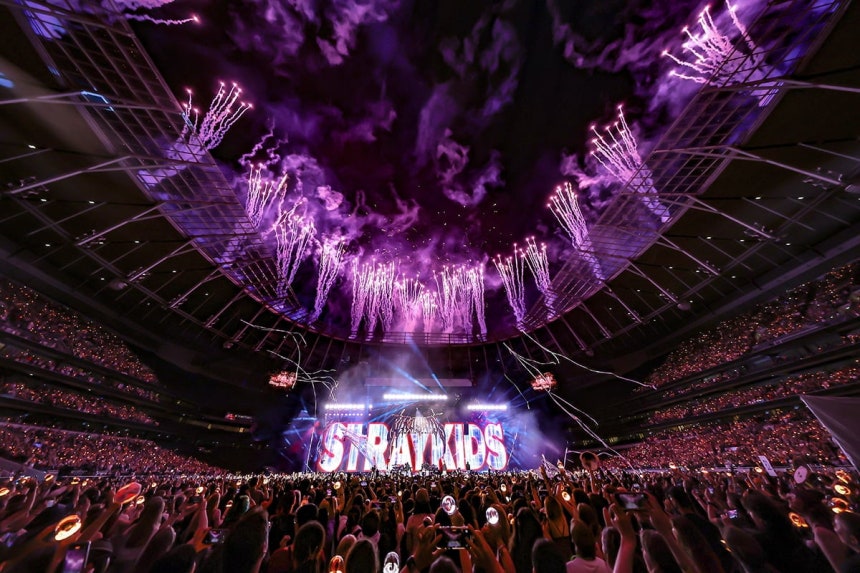
Music shows are weekly television programs where K-Pop artists perform their current songs. Unlike Western talk shows where artists might perform once during a promotional cycle, K-Pop music shows feature artists performing the same song multiple times across different programs throughout their promotion period.
The Major Music Shows
Korea has several major music shows, each airing on different days:
- M Countdown (Mnet): Thursdays, one of the most prestigious shows
- Music Bank (KBS): Fridays, longest-running music show since 1998
- Show! Music Core (MBC): Saturdays, known for strong visual production
- Inkigayo (SBS): Sundays, considered highly prestigious
- Show Champion (MBC M): Wednesdays, cable channel show
- The Show (SBS MTV): Tuesdays, often features newer or smaller groups
Why Music Shows Matter
Music shows serve multiple purposes in K-Pop:
- Provide weekly performance content for fans
- Create competitive metrics through win systems
- Offer promotional opportunities for comebacks
- Generate broadcast points affecting chart rankings
- Allow artist-fan interaction through pre-recordings
K-Pop Music Shows: How Wins Work
Each music show awards a weekly winner based on various criteria. Understanding these systems helps fans participate in supporting artists.
General Criteria Categories
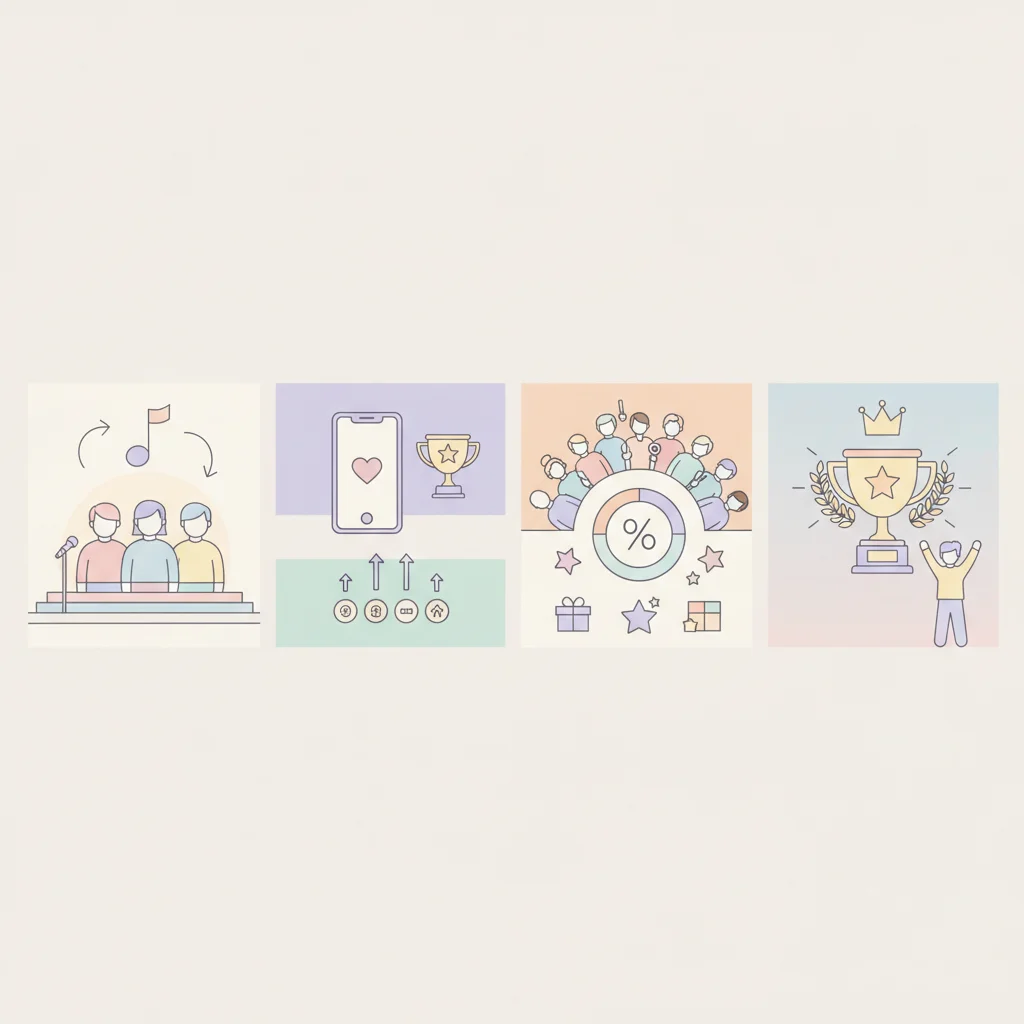
While specific percentages vary by show, most consider:
- Digital streaming: Performance on Korean streaming platforms
- Physical album sales: Album purchases during the tracking period
- Music video views: YouTube views for the promoted song
- Broadcast score: Number of times the song airs on TV/radio
- Fan voting: Votes cast through official apps or platforms
- Live voting: Real-time votes during the broadcast (some shows)
Show-Specific Differences
M Countdown weighs digital sales, physical sales, social media, broadcast, and voting. International fans can impact through music video views and voting.
Music Bank uses a unique K-Chart system combining digital, physical, broadcast, and viewer preference scores. No dedicated fan voting category makes digital performance crucial.
Inkigayo combines digital, physical, YouTube views, SNS scores, and live voting. The YouTube component allows significant international fan participation.
Show Champion and The Show include higher percentages for fan voting, making them more accessible wins for groups with dedicated fanbases but lower digital numbers.
What Wins Mean
Music show wins indicate:
- Commercial success during that promotional period
- Strong fan support and mobilization
- Industry recognition for the comeback
- Content for celebrating (encore stages, trophy moments)
While wins are celebrated achievements, they represent weekly snapshots rather than definitive measures of an artist’s success or popularity.
K-Pop Music Shows: Comeback Promotions
Understanding how promotions work clarifies the music show schedule.
Typical Promotion Period
Most artists promote a title track for 2-4 weeks, appearing on multiple music shows each week. This creates numerous performance videos and multiple chances for wins.
Comeback Stages
The first performance of a new song is called a “comeback stage.” These performances often feature special staging, outfits, or extended versions. Comeback stages generate significant fan attention.
Goodbye Stages
The final performances before ending promotions are “goodbye stages.” Artists often give special performances or emotional moments during these appearances.
K-Pop Music Shows: How to Watch
International fans have several options for watching music shows.

Official Channels
Most music shows upload performances to YouTube through official channels:
- Mnet K-POP (M Countdown)
- KBS Kpop (Music Bank)
- MBCkpop (Show! Music Core)
- SBS K-POP (Inkigayo)
Full episodes may be available on streaming platforms like Viki or Kocowa, depending on region.
Live Streaming
Some shows offer live streaming through their apps or websites. Availability varies by region and may require subscriptions or VPN services.
Fan Uploads
Fan communities often share clips and compilations, though official channels provide better quality and support artists through view counts.
K-Pop Music Shows: Fan Voting
Voting is one way international fans directly impact music show results.
Voting Platforms
Different shows use different voting systems:
- Whosfan: Used for Show Champion voting
- Starplay: Used for The Show voting
- Mubeat: Used for M Countdown pre-voting
- Show Champion and Inkigayo apps: Direct voting through show apps
How Voting Works
Most platforms require:
- Downloading the app and creating an account
- Earning or purchasing voting tickets
- Voting during specific periods before or during broadcasts
- Following fandom instructions for coordinated voting
Maximizing Vote Impact
Fan communities often organize voting strategies:
- Reminders about voting periods
- Guides for earning free voting tickets
- Coordination to concentrate votes effectively
- Tutorials for navigating Korean-language apps
K-Pop Music Shows: Attending Recordings
Fans in Korea can attend music show recordings in person.
How to Get In
Attendance typically requires:
- Fan club membership: Official fan club members get priority access
- Lottery systems: Random selection from applicants
- First-come spots: Some shows allow general fans for remaining space
International fans can attend but may face challenges with Korean-language registration systems and fan club requirements.
What to Expect
Music show recordings involve:
- Long waiting periods (arriving hours early)
- Multiple takes of performances
- Strict rules about phones and recording
- Following staff instructions precisely
- Standing for extended periods
Recording vs. Live Broadcast
Many performances are pre-recorded earlier in the day, while some segments air live. Pre-recording allows artists to film multiple performances and provides backup footage.
K-Pop Music Shows: Beyond Wins
Music shows offer more than just performances and competitions.
Special Stages
Shows occasionally feature:
- Collaboration stages: Artists performing together
- Cover stages: Artists covering other songs
- Holiday specials: Festive performances for holidays
- Anniversary stages: Celebrating show milestones
MC Segments
Each show has hosts (MCs) who introduce performances and interact with artists. MC positions often go to popular idols, creating additional content as they interact with fellow artists.
Behind-the-Scenes Content
Shows and fan communities produce behind-the-scenes content showing artists preparing, waiting, and interacting backstage.
Music Shows and Chart Performance
Music show wins and chart success are related but distinct.
How They Interact
Strong chart performance (digital streaming, album sales) contributes to music show wins. However, fan voting can help artists with moderate chart numbers achieve wins on voting-heavy shows.
Chart Wins vs. Music Show Wins
Some artists top charts without focusing on music shows, while others prioritize music show promotions even with moderate chart performance. Both approaches have validity.
Criticisms and Controversies
Music shows have faced various criticisms over the years.

Chart Manipulation Concerns
Questions occasionally arise about:
- Accuracy of scoring systems
- Consistency of criteria application
- Influence of agency relationships
Artist Exhaustion
The intense schedule of appearing on multiple shows per week during promotions contributes to the demanding nature of K-Pop careers.
Fan Competition
Competition for wins can create tension between fandoms, though most fans recognize wins as achievements to celebrate rather than reasons for conflict.
Tips for Following Music Shows
For fans wanting to engage with music show culture:
Stay Informed
- Follow official show accounts for schedules
- Join fan communities that track comeback schedules
- Use K-Pop calendar apps to track music show appearances
Support Effectively
- Stream music on Korean platforms when possible
- Watch music videos on official YouTube channels
- Participate in voting during comeback periods
- Purchase albums if financially comfortable
Enjoy the Content
- Watch performances for enjoyment, not just metrics
- Appreciate different stages and outfits each week
- Celebrate wins without diminishing other artists
Related Guides
- Everyday Life in Korea Beyond K-Pop
- Understanding Korean Variety Shows
- Korea Public Transportation Guide
- Korean Café Culture Guide
- How Daily Life Changes Through the Four Seasons
Conclusion
K-Pop music shows represent a unique promotional format that has helped define the genre’s culture. The combination of weekly performances, competitive win systems, and fan participation creates engagement opportunities that extend far beyond simply listening to music.
Understanding how these shows work helps international fans follow comebacks more meaningfully, whether through watching performances, participating in voting, or simply appreciating the effort artists put into weekly stages.
While wins provide moments of celebration, the real value of music shows lies in the regular content they provide and the connections they facilitate between artists and fans worldwide.
FAQ
Do music show wins matter for an artist’s success?
Wins indicate strong performance during a specific period and are celebrated achievements. However, many successful artists have fewer wins while some newer groups achieve wins through dedicated fan voting. Wins are one metric among many.
Can international fans impact music show results?
Yes. Voting on apps, streaming on YouTube, and purchasing albums all contribute to criteria used by various shows. The degree of impact varies by show and category weightings.
Why do artists perform the same song multiple times?
Promoting on multiple shows each week creates numerous performance videos, increases broadcast points, and provides multiple chances for wins. Each performance may feature different styling or staging.
How can I find out when my favorite artist will appear on music shows?
Follow official artist and show social media accounts, join fan communities that track schedules, or use K-Pop schedule apps that aggregate appearance information.
Is attending a music show recording worth the effort?
For dedicated fans, the experience of seeing artists perform live and participating in the recording process can be memorable. However, it requires significant time, planning, and often luck with lottery systems.
What happens during the encore stage after a win?
When an artist wins, they perform an unscripted encore of their song, often showing genuine emotion, dancing freely, and interacting with fans. These moments are highly valued by fandoms as authentic, unpolished celebrations.