Korean Rice Guide: Types, How to Cook, and Why It Matters
Rice is more than a side dish in Korea. Learn why rice remains central to Korean meals, its cultural significance, and how it shapes daily…
Korean Rice: Why It’s Central to Cuisine
In Korean, the word “bap” (밥) means both “rice” and “meal.” When Koreans ask “Bap meogeosseo?” (밥 먹었어?), they’re literally asking “Have you eaten rice?” but it means “Have you eaten?” This linguistic connection reveals how fundamental rice is. Learn more about Korean meals in our Korean food guide to Korean life—a meal without rice barely qualifies as a meal.
Korean Rice: Types and Varieties
White Rice (Bap) – 밥
What it is: Short-grain white rice, stickier than long-grain varieties
Characteristics:
- Slightly sweet, subtle nutty flavor
- Sticky enough to pick up with chopsticks
- Served in individual brass or stainless steel bowls
Served with: Every Korean meal as the foundation
Mixed Grain Rice (Japgokbap) – 잡곡밥
What it is: White rice cooked with various grains and beans
Common additions:
- Barley (보리)
- Black rice (흑미)
- Millet (기장)
- Sorghum (수수)
- Red beans (팥)
- Black beans (검은콩)
Health benefits: Higher fiber, more vitamins and minerals than white rice alone
Where to find: Many restaurants offer japgokbap as standard or upon request. It’s the default at health-conscious eateries.
Five-Grain Rice (Ogokbap) – 오곡밥
What it is: Traditional rice with exactly five grains, eaten on Jeongwol Daeboreum (first full moon of lunar new year)
The five grains traditionally:
- Rice
- Glutinous millet
- Sorghum
- Red beans
- Black beans
Cultural significance: Eating ogokbap on the first full moon brings good luck for the year
Bean Rice (Kongbap) – 콩밥
What it is: White rice cooked with various beans
Types:
- Geomeun-kongbap (검은콩밥) – Black bean rice
- Pat-bap (팥밥) – Red bean rice
Texture: Slightly firmer than plain rice, beans add chewiness
Glutinous Rice (Chapssal) – 찹쌀
What it is: Sticky rice, much chewier than regular rice
Used in:
- Tteok (rice cakes)
- Samgyetang (stuffed in chicken)
- Yakbap (sweet rice dessert)
- Rice wine (makgeolli)
Not typically served: As a standalone rice dish at meals
Korean Rice: Dishes Beyond Plain Rice
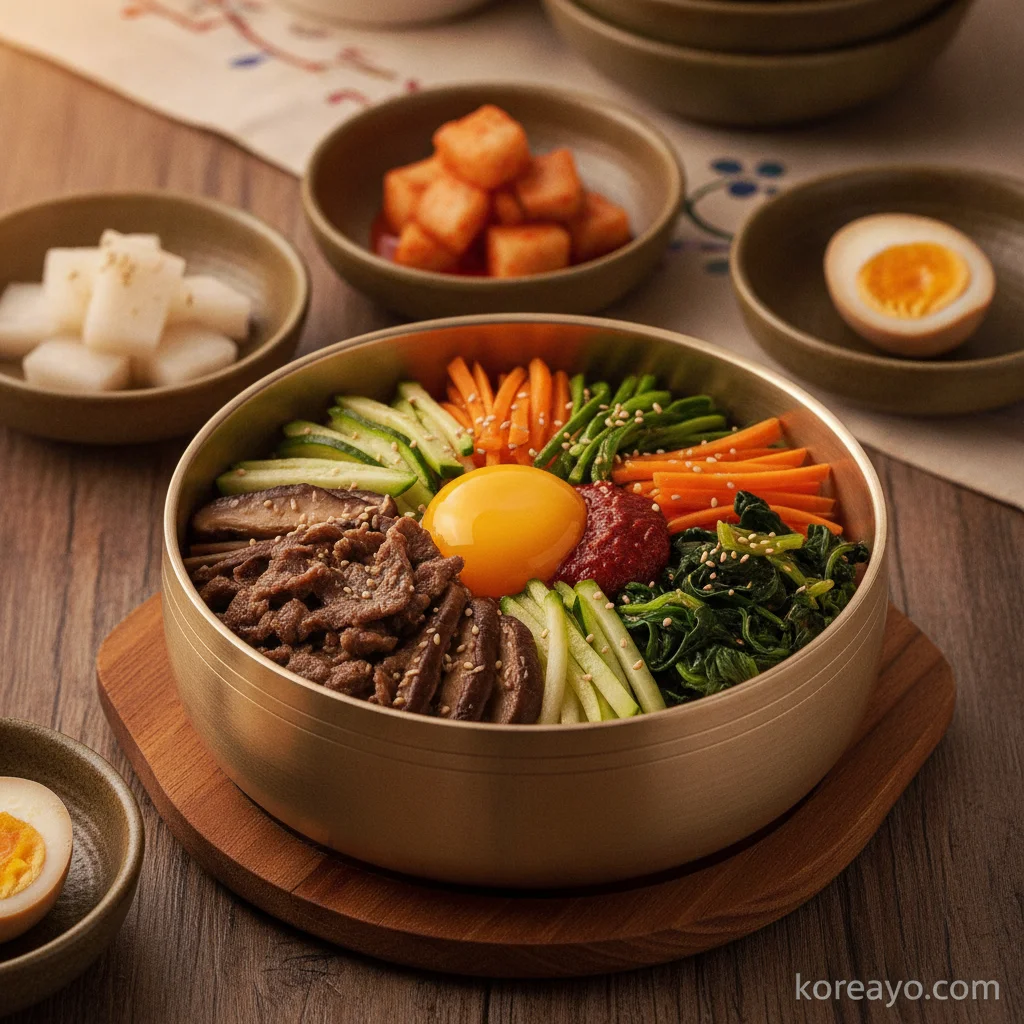
Bibimbap (비빔밥)
Price: ₩8,000-15,000
What it is: Rice topped with vegetables, meat, egg, and gochujang, mixed together before eating
Variations:
| Type | Korean | Description | Price |
|---|---|---|---|
| Jeonju Bibimbap | 전주비빔밥 | Original style with raw beef, most toppings | ₩10,000-15,000 |
| Dolsot Bibimbap | 돌솥비빔밥 | Served in hot stone pot, crispy rice bottom | ₩10,000-14,000 |
| Hoedeopbap | 회덮밥 | With raw fish | ₩15,000-25,000 |
| Yukhoe Bibimbap | 육회비빔밥 | With raw beef tartare | ₩15,000-20,000 |
Where to try:
- Jeonju – Birthplace of bibimbap. Jeonju Hanok Village has dozens of restaurants.
- Seoul – Gogung (고궁) chain, multiple locations, ₩11,000-15,000
Gimbap / Kimbap (김밥)
Price: ₩2,500-5,000 per roll
What it is: Rice and fillings rolled in dried seaweed, sliced into rounds
Common fillings:
- Yellow pickled radish (danmuji)
- Egg strips
- Cucumber
- Ham or crab stick
- Spinach
- Bulgogi (beef)
Popular varieties:
| Type | Korean | Key Ingredients |
|---|---|---|
| Basic | 기본 김밥 | Standard vegetables and ham |
| Tuna | 참치김밥 | Canned tuna with mayo |
| Bulgogi | 불고기김밥 | Marinated beef |
| Cheese | 치즈김밥 | Added cheese slices |
| Nude | 누드김밥 | Rice on outside, seaweed inside |
| Samgak | 삼각김밥 | Triangle-shaped, convenience store style |
Where to buy:
- Kimbap Cheonguk (김밥천국) – Ubiquitous chain, ₩2,500-4,000
- Convenience stores – Triangle kimbap, ₩1,200-1,800
- Traditional markets – Made fresh, ₩3,000-4,000
Bokkeumbap (Fried Rice) – 볶음밥
Price: ₩7,000-12,000 (or ₩2,000-3,000 as add-on)
Types:
- Kimchi bokkeumbap – With kimchi (most common)
- Saewu bokkeumbap – With shrimp
- Sogogi bokkeumbap – With beef
Pro tip: At jjigae and hot pot restaurants, order bokkeumbap at the end of the meal. The restaurant will fry rice in the remaining broth/sauce for ₩2,000-3,000 extra. This is considered the best part of the meal.
Gukbap (Rice in Soup) – 국밥
Price: ₩7,000-12,000
What it is: Rice served in (or alongside) soup. The ultimate Korean comfort food.
Famous varieties:
| Type | Korean | Soup Base | Region |
|---|---|---|---|
| Dwaeji Gukbap | 돼지국밥 | Pork bone broth | Busan |
| Soondae Gukbap | 순대국밥 | Blood sausage soup | Nationwide |
| Haejangguk | 해장국 | Hangover soup (various) | Nationwide |
| Ttaro Gukbap | 따로국밥 | Served separately | Daegu |
Jumeokbap (Rice Balls) – 주먹밥
Price: ₩1,500-3,000 each
What it is: Rice shaped into balls, often with fillings or mix-ins
Common mix-ins:
- Sesame seeds and sesame oil
- Kimchi
- Tuna
- Vegetable bits
Where to find: Convenience stores, bunsik restaurants, home cooking
Nurungji (Scorched Rice) – 누룽지
What it is: The crispy, golden rice stuck to the bottom of the pot
How it’s served:
- As a snack (plain, crispy)
- With hot water poured over (becomes porridge-like soup)
- In some restaurants as a final course
Cultural note: Traditionally not wasted—pouring hot water into the empty rice pot to make nurungji soup was standard practice
Korean Rice: Rice Cakes (Tteok)
Not to be confused with rice dishes, tteok are made from glutinous rice flour:
Savory Rice Cake Dishes
Tteokbokki (떡볶이)
- Cylinder rice cakes in spicy gochujang sauce
- Price: ₩3,500-6,000
- Korea’s most popular street food
Tteokguk (떡국)
- Sliced rice cake soup, eaten on Lunar New Year
- Price: ₩8,000-12,000
- Eating it means you’ve aged one year
Tteok-mandu-guk (떡만두국)
- Rice cake soup with dumplings
- Price: ₩9,000-13,000
Sweet Rice Cakes
Songpyeon (송편)
- Half-moon shaped, filled with sesame or beans
- Eaten during Chuseok (harvest festival)
Injeolmi (인절미)
- Coated with soybean powder
- Chewy, mildly sweet
Gyeongdan (경단)
- Small round balls coated with various toppings
- Often colorful (matcha, black sesame, etc.)
Korean Rice: Porridge (Juk)
Price: ₩8,000-15,000
What it is: Rice cooked with extra water until thick and creamy
When to eat: Breakfast, when sick, or as comfort food
Popular varieties:
| Type | Korean | Main Ingredient |
|---|---|---|
| Pumpkin porridge | 호박죽 | Sweet pumpkin, sweet |
| Chicken porridge | 닭죽 | Chicken, vegetables |
| Abalone porridge | 전복죽 | Abalone (premium) |
| Pine nut porridge | 잣죽 | Ground pine nuts |
| Vegetable porridge | 야채죽 | Mixed vegetables |
| Red bean porridge | 팥죽 | Sweet red bean |
Famous chain: Bonjuk (본죽) – locations throughout Korea, ₩9,000-15,000
Korean Rice: Where to Buy
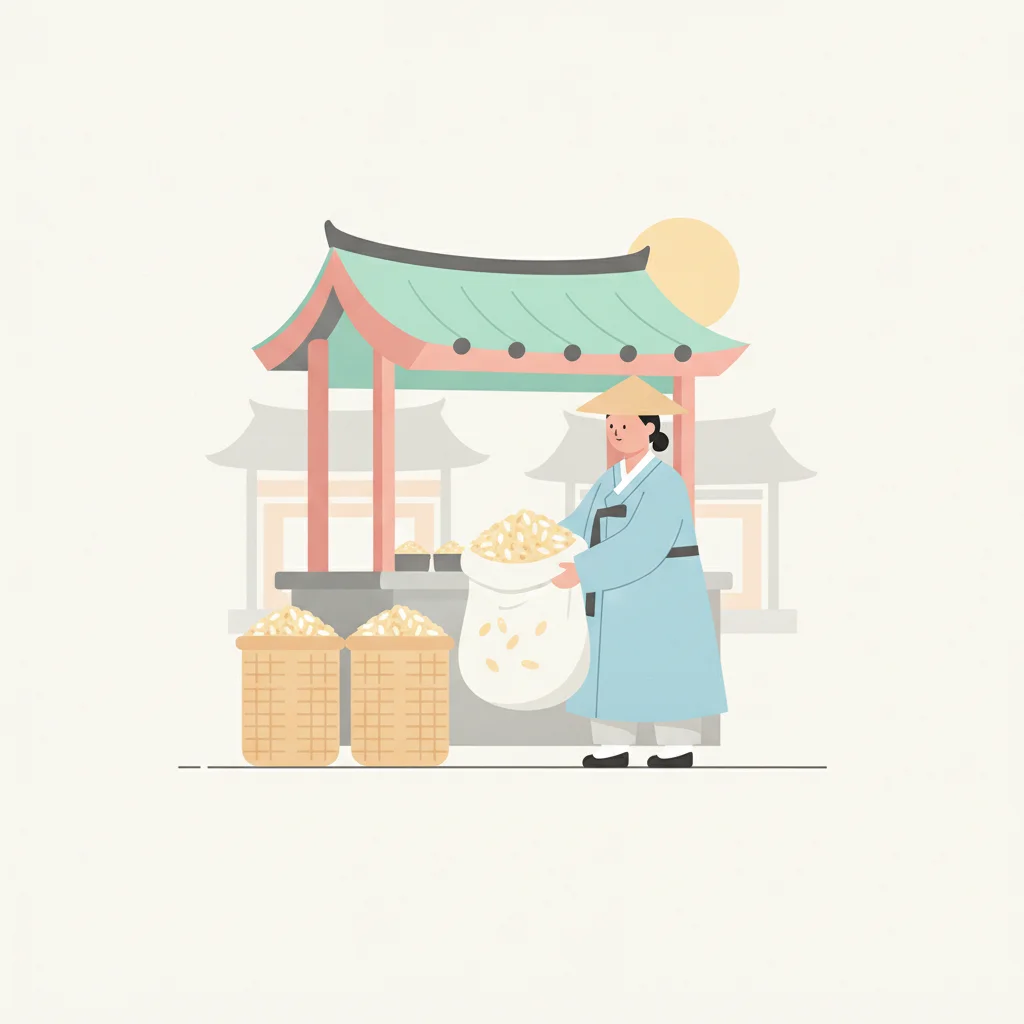
Supermarket Rice
Brands:
- Hetbahn (햇반) – Pre-cooked microwave rice, ₩1,200-2,000 per serving
- CJ – Various rice products
- Nongshim – Rice and grain products
Types to know:
| Korean | English | Description |
|---|---|---|
| 백미 (baekmi) | White rice | Standard polished rice |
| 현미 (hyeonmi) | Brown rice | Whole grain, healthier |
| 찹쌀 (chapssal) | Glutinous rice | Sweet/sticky rice |
| 혼합곡 (honhapgok) | Mixed grains | Rice with other grains |
Price: ₩20,000-50,000 for 4kg bag, depending on quality
Quality Indicators
- 신동진쌀 (Sindong-jin) – Premium variety, grown in Gimje
- 이천쌀 (Icheon rice) – Famous regional rice, gift-quality
- 철원쌀 (Cheorwon rice) – Grown near DMZ, clean water source
What “newly harvested” means: 햅쌀 (haepssal) indicates rice from the current year’s harvest—fresher and considered better quality
Korean Rice: How to Cook
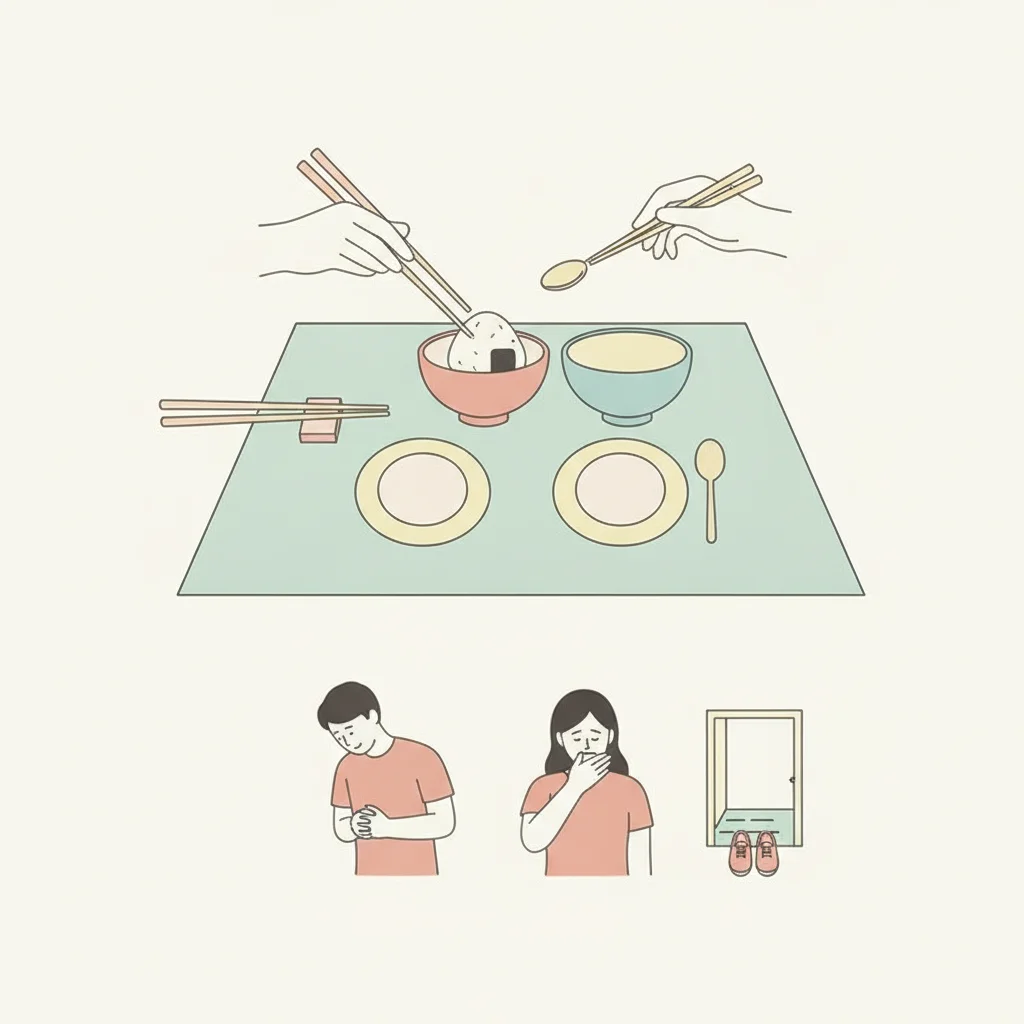
The Korean Method
- Rinse rice until water runs clear (usually 3-4 times)
- Soak for 30 minutes (improves texture)
- Use ratio: 1:1 rice to water (different from Western long-grain rice)
- Cook in rice cooker (standard in Korean homes)
- Let rest 10 minutes after cooking
- Fluff gently with paddle
Rice Cookers
Every Korean household has an electric rice cooker. Popular brands:
- Cuckoo (쿠쿠) – Most popular, ₩150,000-800,000
- Cuchen (쿠첸) – ₩100,000-500,000
- LG, Samsung – Various price points
Features to look for:
- Pressure cooking (better texture)
- Keep-warm function
- Different modes for white/brown/porridge
Korean Rice: Cultural Significance
Rice Symbolism
- Prosperity: A full rice bowl means abundance
- Respect: Wasting rice is disrespectful to farmers
- Unity: Sharing rice means sharing life
Rice Etiquette
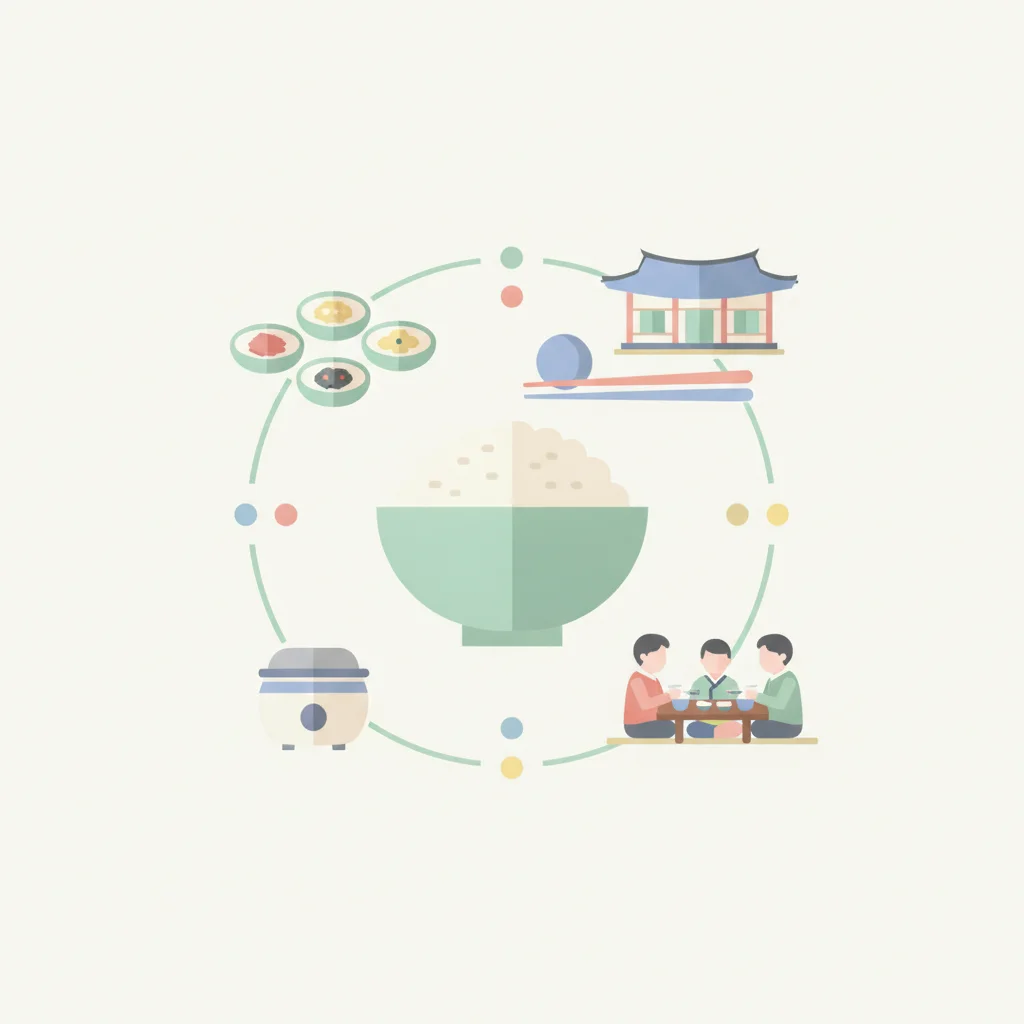
- Never stick chopsticks upright in rice bowl (resembles funeral incense)
- Don’t lift the bowl to your mouth (unlike Japanese custom)
- Use spoon for rice, not chopsticks
- Finish your rice if possible—leaving rice is slightly wasteful
Rice Proverbs
- “밥이 보약이다” (Bap-i boyak-ida) – Rice is the best medicine
- “밥 먹듯이 한다” (Bap meokdeusi handa) – Do something as regularly as eating rice
Korean Rice: Rice-Based Drinks
Makgeolli (막걸리)
- Milky, slightly sweet rice wine
- Alcohol: 6-8%
- Price: ₩3,000-8,000 per bottle
- Traditionally paired with: Pajeon (pancakes), tofu
Sikhye (식혜)
- Sweet rice punch (non-alcoholic)
- Contains floating rice grains
- Served cold, often after meals
- Price: ₩1,500-3,000
Sujeonggwa (수정과)
- Cinnamon and ginger punch
- Often served with sikhye at traditional restaurants
- Non-alcoholic, sweet
From a simple bowl of steamed white rice to elaborate mixed grain preparations and celebratory rice cakes, understanding rice in Korean cuisine opens the door to appreciating meals as Koreans do—with rice at the center and everything else in supporting roles.
Learn more about rice in Korean cuisine at Korean cuisine on Wikipedia.
Related Guides
- Korean Food Guide
- Banchan Guide
- Korean Soups and Stews
- Korean Seasonal Food
- How to Order Food in Korea
- Korean Food Guide: What Makes It Unique
- Banchan Guide: Korean Side Dishes
- Korean Soups and Stews Guide
- Kimchi Guide: Types and Taste Levels
- Korean Seasonal Food Calendar


