Korea Seasons Guide: Weather, Clothing, and Seasonal Activities Month by Month
Seasonal changes in Korea reshape daily life all year. This guide shows foreign residents how to adapt clothing, commuting, shopping, and food to each season.
Korea seasons affect every aspect of daily life. Korea seasons bring dramatic changes, and understanding Korea seasons helps you prepare properly and affect daily life all year: spring (Mar–May) is mild and lively, summer (Jun–Aug) is hot and humid with a rainy season, autumn (Sep–Nov) is cool and scenic, and winter (Dec–Feb) is cold with floor heating. Foreign residents adjust clothing, commuting, shopping, and food with each season.
One of the first things many foreign residents notice is how strongly the Korea seasons changes in Korea shape everyday life. Depending on where you come from, the difference between spring, summer, autumn, and winter may feel far more noticeable than expected.
When I first lived in Korea, I underestimated how much the changing seasons would affect my daily routine. Simple things like clothing choices, commuting habits, grocery shopping, and even home management required adjustments throughout Korea seasons.
For newcomers, understanding Korea’s seasonal cycle makes it easier to prepare for weather changes and enjoy the unique experiences each season brings.
| Season | Months | What to Expect |
|---|---|---|
| 🌸 Spring | Mar–May | Mild, lively, layered clothing |
| ☀️ Summer | Jun–Aug | Hot, humid, rainy season, umbrellas |
| 🍂 Autumn | Sep–Nov | Cool, scenic, ideal for outdoors |
| ❄️ Winter | Dec–Feb | Cold, floor heating, warm coats |
🌦️ Why Seasonal Changes in Korea Matter for Daily Life
South Korea has four distinct seasons, and the Korea seasons changes in Korea are sharp enough to influence almost every part of daily life. Weather affects what you wear, how you commute, what you buy, and which activities feel comfortable. You can read more about the climate of South Korea for a broader overview, and check daily forecasts from the Korea Meteorological Administration.
For a wider look at how the year unfolds, our guide on how daily life changes through the four seasons in Korea is a useful companion to this article.
🌸 Spring: A Season of Transition
After the cold winter months, spring is often welcomed enthusiastically across Korea. Typically occurring from March through May, spring is associated with milder temperatures and increasing outdoor activity.

Daily Life in Spring
As temperatures rise, many residents begin spending more time outside. Common spring activities include:
- Walking in local parks
- Visiting riverside paths
- Exploring neighborhood cafés
- Participating in community events
The atmosphere often feels noticeably different compared to winter, as outdoor spaces become more active.
Spring Clothing
One lesson many newcomers learn quickly is that spring weather can change frequently. Mornings and evenings may remain cool while afternoons become pleasantly warm. Light jackets and layered clothing are often useful during this period.
Seasonal Foods
Spring also brings seasonal ingredients to markets and supermarkets. Many residents enjoy trying foods associated with the changing season, making spring an interesting time for exploring local cuisine.
☀️ Korea Seasons: Summer
Summer in Korea can be more intense than some foreign residents expect. From June through August, temperatures often rise significantly, and humidity becomes a major factor.
Adjusting Daily Routines
Many people modify their schedules during the hottest periods. Common adaptations include:
- Walking shorter distances
- Carrying water regularly
- Choosing shaded routes
- Planning outdoor activities for mornings or evenings
Even residents who enjoy warm weather often find humidity to be the most challenging aspect of Korean summers.
Rainy Season
Another important feature of summer is the rainy season. Periods of heavy rainfall can affect transportation schedules, walking routes, outdoor events, and travel plans. Umbrellas become everyday essentials during certain weeks of the year, and many experienced residents keep one at home and another at work to avoid being caught unprepared.
Summer Food Culture
Cold noodles, refreshing drinks, and seasonal fruits become especially popular during hot weather. Markets and convenience stores often adjust their offerings to match seasonal demand.
🍂 Autumn: One of the Most Popular Seasons
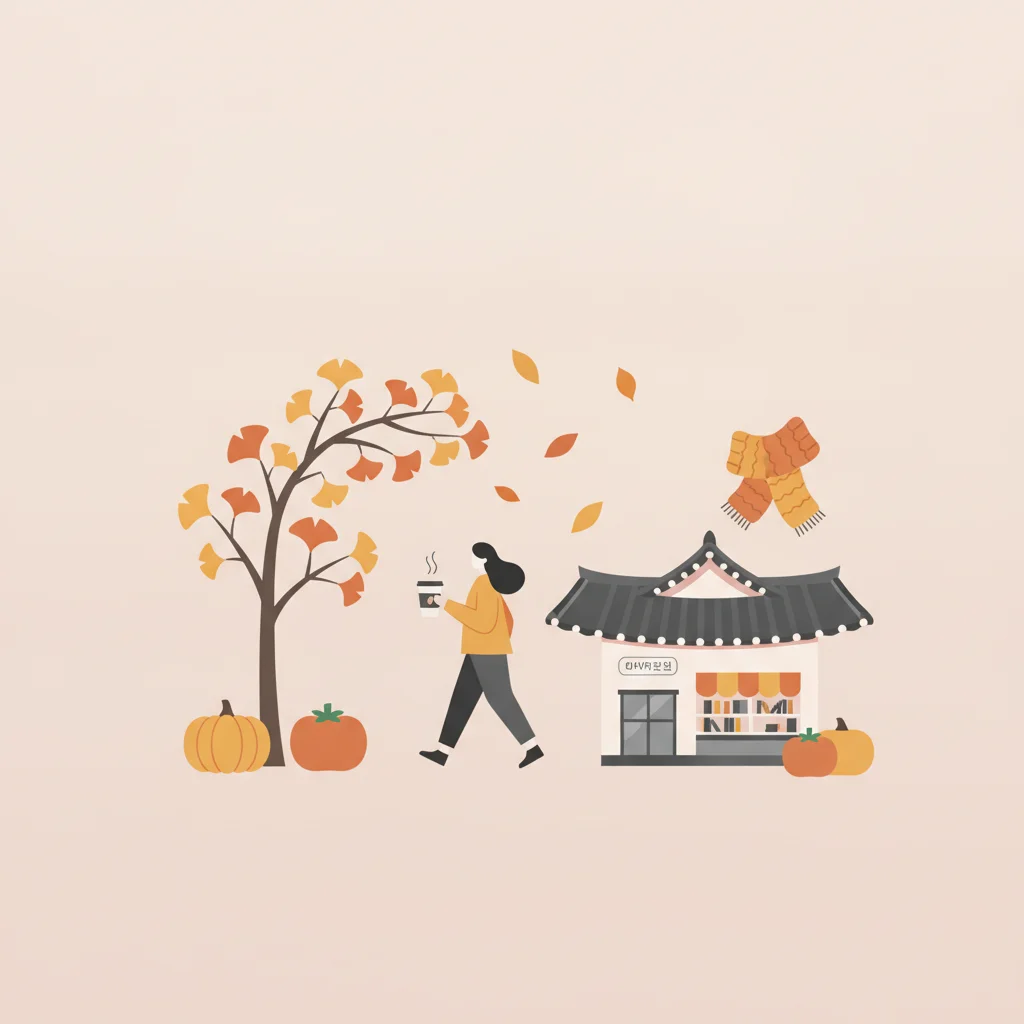
Ask many long-term residents about their favorite season, and autumn frequently appears near the top of the list. Generally spanning September through November, autumn is known for comfortable temperatures and colorful scenery.
Outdoor Activities Increase
Autumn encourages people to spend more time outdoors. Popular activities include:
- Hiking
- Cycling
- Visiting parks
- Exploring local festivals
Many foreigners find autumn to be one of the easiest seasons for sightseeing and neighborhood exploration.
Comfortable Weather
Unlike the humidity of summer or the cold of winter, autumn often provides a balanced climate. This makes daily commuting and outdoor exercise more enjoyable for many residents.
Seasonal Changes in Markets
Traditional markets often showcase harvest-related products during autumn. Visiting local markets during this season can provide insight into Korea’s agricultural traditions and seasonal food culture.
❄️ Korea Seasons: Winter
Winter can be a surprise for residents arriving from warmer climates. From December through February, temperatures may drop significantly, particularly in northern regions.
Dressing for Winter
One of the most practical lessons for newcomers is the importance of proper winter clothing. Common winter essentials include:
- Warm coats
- Gloves
- Scarves
- Thermal layers
Quality winter clothing can make a significant difference in comfort.
Heating Systems
Many Korean homes use floor-heating systems known as ondol. For foreigners unfamiliar with this approach, the experience can feel quite different from traditional radiators or forced-air heating. Learning how your heating controls work before the coldest part of winter arrives is highly recommended — our guide to housing in Korea explains common home setups.
Winter Commuting
Cold weather can influence commuting habits. Residents may leave home earlier, dress in additional layers, and choose indoor routes when possible. Although winters can be challenging, many people appreciate the clear skies and seasonal atmosphere.
🛍️ How Seasonal Changes in Korea Influence Shopping Habits
One aspect of Korean life that becomes more noticeable over time is how quickly businesses adapt to the Korea seasons changes in Korea. Stores regularly update products based on the time of year:
- Spring: light clothing, outdoor accessories
- Summer: cooling products, cold beverages, portable fans
- Autumn: hiking equipment, seasonal foods
- Winter: hand warmers, winter clothing, heated household items
Observing these changes can help newcomers anticipate seasonal needs before they arise.
🚇 How Seasonal Changes in Korea Affect Transportation
Seasonal conditions also influence transportation habits throughout Korea seasons:
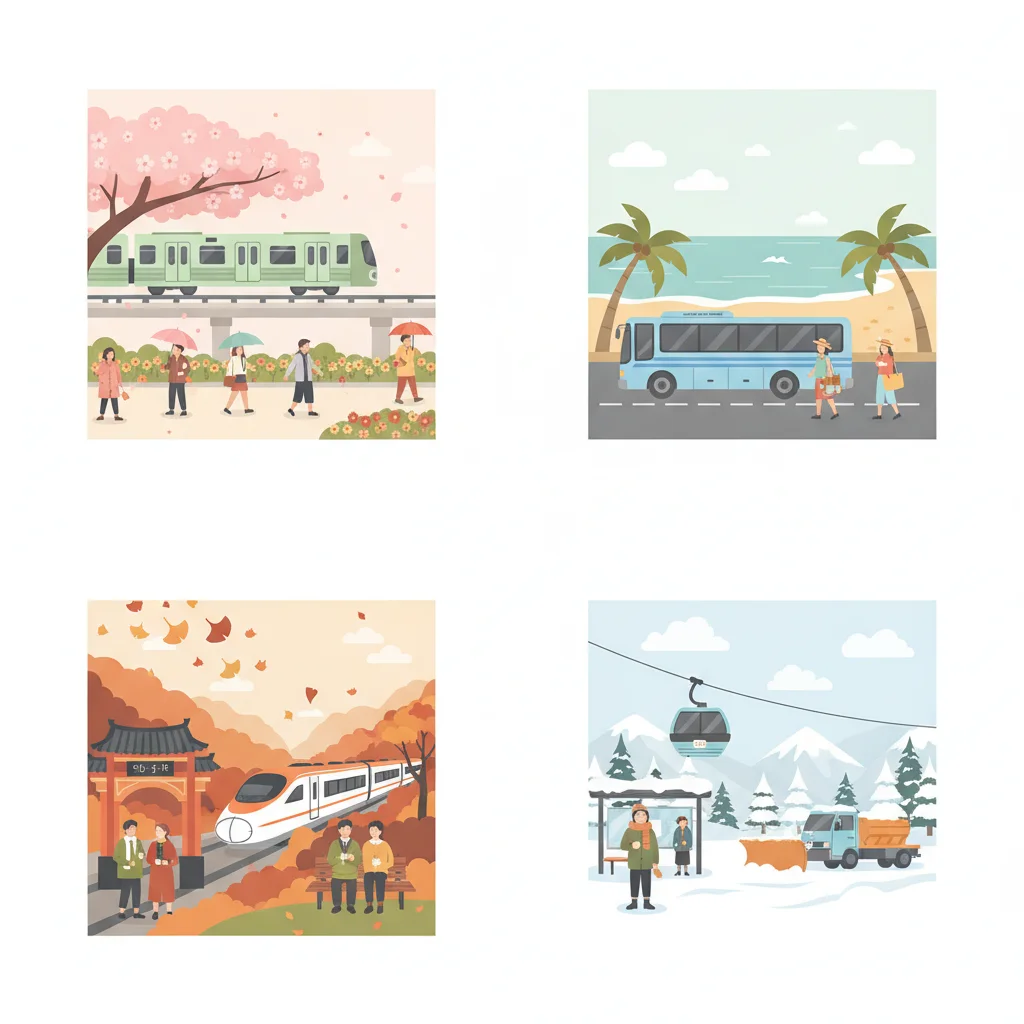
- Summer: heavy rain may encourage residents to use public transportation more frequently.
- Winter: cold temperatures often increase demand for indoor transit options.
- Spring and autumn: many people enjoy walking or cycling because of the pleasant weather.
Understanding these patterns can help residents plan their daily schedules more effectively. For the basics, see our Korea public transportation guide.
🎪 Seasonal Events and Community Life
Each season brings different opportunities for community engagement. Throughout the year, neighborhoods may host cultural events, outdoor activities, seasonal markets, and local celebrations. Many of these are listed by the Korea Tourism Organization and covered on Korea.net.
Participating in these events can help foreign residents feel more connected to their local area. One of the easiest ways to learn about seasonal traditions is simply by paying attention to what neighbors, coworkers, and local communities are doing.
💡 Practical Advice for New Residents
If you are experiencing your first year in Korea, consider preparing for each season in advance. A few simple habits help you stay ahead of the Korea seasons changes in Korea:
- Check weather forecasts regularly
- Store seasonal clothing properly
- Keep an umbrella available
- Learn how home heating and cooling systems operate
- Adjust routines as conditions change
These small preparations often make daily life more comfortable.
✅ Korea Seasons: Conclusion
The Korea seasons changes in Korea play a much larger role in daily life than many newcomers initially realize. Weather affects transportation, shopping, food choices, clothing, housing, and recreational activities throughout Korea seasons.
For foreign residents, understanding these seasonal patterns helps create realistic expectations and makes adaptation easier. Rather than viewing Korea seasons changes as challenges, many long-term residents come to appreciate the variety they bring to everyday life.
In the next article, we’ll examine another distinctive aspect of modern Korean living: the country’s highly developed delivery culture and how residents use it in their daily routines.
❓ Frequently Asked Questions
Which season is considered the most comfortable in Korea?
Many residents prefer autumn because of its mild temperatures and generally pleasant weather conditions, which make the Korea seasons changes in Korea easiest to enjoy.
Is summer in Korea very humid?
Yes. Humidity is often one of the most noticeable features of Korean summers, especially during the rainy season from late June to July.
Do I need special winter clothing in Korea?
If you are coming from a warm climate, investing in appropriate winter clothing such as a warm coat, gloves, and thermal layers can greatly improve comfort during colder months.
How many distinct seasons does Korea have?
Korea has four distinct seasons — spring, summer, autumn, and winter — and each brings clear weather differences that affect daily routines.
When is the rainy season in Korea?
The summer rainy season, known locally as jangma, typically falls between late June and mid-to-late July, though the exact timing varies each year.
Related Guides
- Korean Seasonal Food Calendar
- Shopping in Korea Guide
- Everyday Life in Korea
- How Daily Life Changes Through Four Seasons
- Korean Traditional Markets Guide