Shopping in Korea: Supermarkets, Online Shopping, and Price Comparison Guide
Shopping in Korea is spread across convenience stores, supermarkets, markets, and apps. This guide helps foreign residents shop smart and settle in faster.
Shopping in Korea is spread across several places rather than one store: convenience stores for quick needs, supermarkets for groceries, traditional markets for fresh produce, specialty and variety shops for specific items, and online platforms for almost everything else. Most residents mix these methods depending on the situation.
Shopping is one of those activities that seems universal until you move to another country. Most people assume buying groceries and daily necessities works the same everywhere, but after arriving in South Korea, many foreign residents quickly discover that shopping in Korea can be surprisingly different.
I remember helping a newly arrived colleague settle into his apartment. During his first week, he visited three different stores looking for items that locals would normally buy from entirely different places. He eventually laughed and said, “I thought I understood shopping, but apparently I need to learn it all over again.”
Fortunately, adapting to shopping in Korea is not difficult. Once you understand where people typically buy different products and how shopping fits into everyday routines, daily life becomes much more convenient.
| Shopping Need | Best Option |
|---|---|
| 🏪 Quick, unexpected items | Convenience store |
| 🛒 Weekly groceries | Supermarket |
| 🍎 Fresh, seasonal produce | Traditional market |
| 📦 Bulk & specialty goods | Online shopping |
🛒 Why Shopping in Korea May Feel Different
Many countries have one primary location where people buy most household items. By contrast, shopping in Korea is often distributed across several types of businesses, including:
- Convenience stores
- Supermarkets
- Traditional markets
- Specialty shops
- Discount retailers
- Online platforms
As a result, residents frequently combine multiple shopping methods depending on their needs. Rather than relying on a single store for everything, people choose the most convenient option for each situation. This variety is part of the wider economy of South Korea.
🏪 Convenience Stores for Immediate Needs
As discussed earlier in this series, convenience stores play an important role in Korean daily life. Many residents use them for drinks, snacks, basic groceries, household essentials, and personal-care items.

The biggest advantage is accessibility. Because convenience stores are located throughout residential areas, they are often the fastest solution for unexpected needs. While they may not always offer the lowest prices, they provide exceptional convenience. Our guide to the Korean convenience store explains just how much they offer.
🛍️ Supermarkets and Grocery Shopping
For larger grocery trips, supermarkets remain a popular choice. Depending on the neighborhood, they may range from small local stores to large retail chains. People often visit supermarkets for:
- Fresh produce
- Meat
- Dairy products
- Frozen foods
- Household supplies
One thing many foreigners notice is that product selection sometimes reflects Korean cooking habits and seasonal ingredients. If you are still learning the language of menus and labels, our guide on how to order food in Korea is a helpful companion. Exploring unfamiliar products can be a fun way to learn more about local food culture.
🍎 The Role of Traditional Markets
Traditional markets continue to attract shoppers despite the growth of modern retail. Many residents appreciate them for fresh ingredients, local character, seasonal products, and community atmosphere.

When I first began shopping at local markets, I expected the experience to feel complicated. Instead, I found that regular visits helped me become more comfortable with both the neighborhood and local food traditions. Markets are often especially interesting during seasonal transitions when different ingredients become available.
🎀 Specialty Stores Are Common
One characteristic of shopping in Korea is the abundance of specialty businesses. Rather than buying everything from one location, residents may visit stores that focus on specific product categories. Examples include:
- Bakeries
- Fruit shops
- Stationery stores
- Home-goods retailers
- Electronics stores
This specialization allows businesses to offer a wide selection within their area of expertise. For newcomers, learning which stores serve which purposes takes a little time but becomes second nature with experience.
💰 Discount and Variety Stores
Another useful resource for foreign residents is the discount retail sector. These stores often sell kitchen items, storage products, cleaning supplies, office materials, and home accessories.
Many people visit these stores shortly after moving into a new apartment because they provide affordable solutions for everyday household needs. I still remember furnishing parts of my first apartment in Korea using items purchased from a neighborhood variety store. The ability to find practical products in one place made the transition much easier.
🍂 How Shopping in Korea Changes With the Seasons
Shopping habits in Korea often change with the seasons:
- Spring: residents may buy outdoor and gardening-related items.
- Summer: cooling products such as portable fans, summer clothing, and cold beverages become more visible.
- Autumn: seasonal foods and outdoor equipment gain popularity.
- Winter: stores begin promoting winter clothing, heated accessories, and seasonal household items.
Observing these patterns can help newcomers prepare for upcoming seasonal needs, a topic we cover in our guide to the four seasons in Korea.
📦 Why Online Shopping Is So Popular
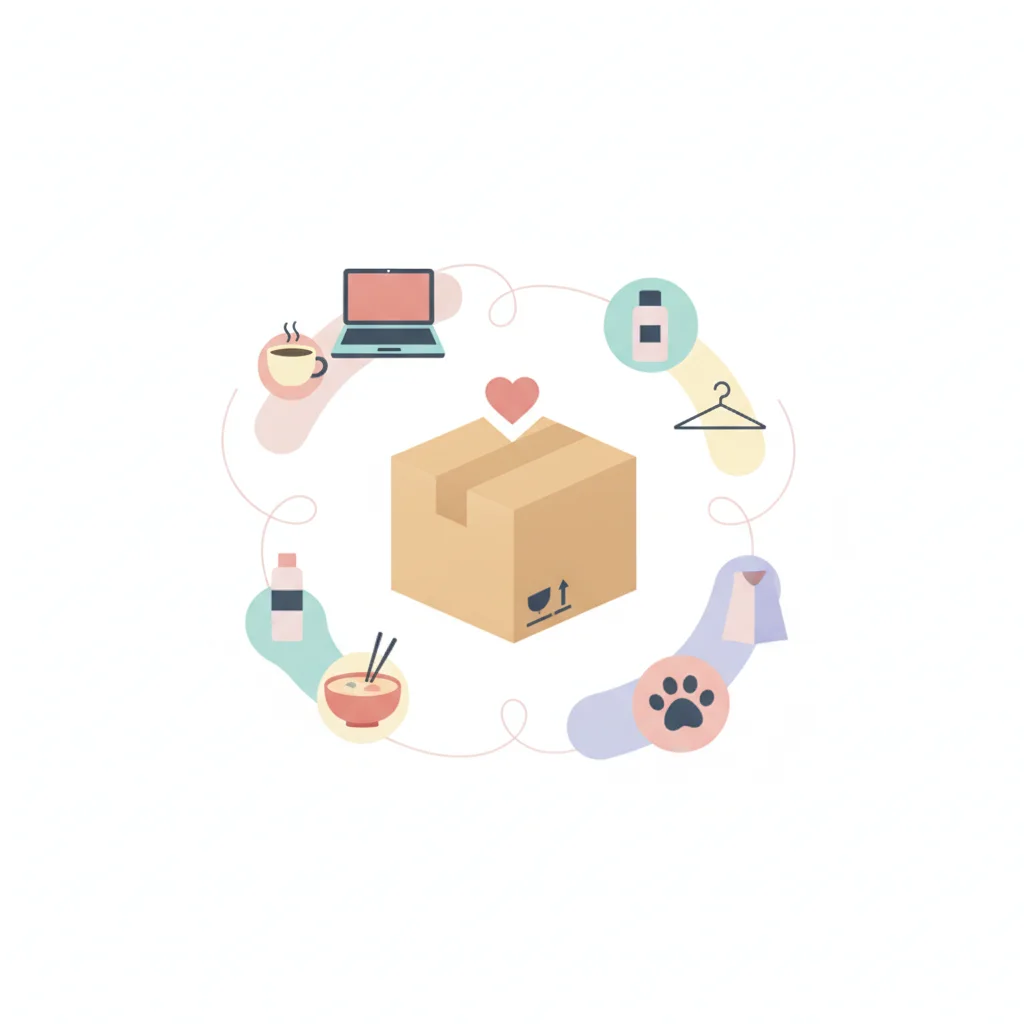
Online shopping has become deeply integrated into Korean daily life. Residents often order household goods, electronics, groceries, office supplies, and personal-care products. Several factors contribute to its popularity:
- Convenience
- Delivery speed
- Wide product selection
- Easy comparison of options
For busy professionals and students, online shopping often complements traditional retail rather than replacing it entirely.
🗓️ Practical Shopping Habits of Long-Term Residents
After living in Korea for a while, many foreign residents develop efficient routines for shopping in Korea. A common approach might include:
- Daily purchases: convenience stores for quick necessities.
- Weekly shopping: supermarkets for groceries and household supplies.
- Occasional visits: traditional markets for fresh ingredients and local products.
- Online orders: bulk purchases and specialty items.
Combining these methods allows residents to balance convenience, variety, and efficiency. Many of these items first became popular as Korean convenience store food and everyday staples.
🧠 Understanding Local Consumer Culture
Shopping also provides insight into broader aspects of Korean society. For example, residents often value convenience, efficiency, product variety, and seasonal adaptation. These preferences influence everything from store design to delivery services.
By paying attention to shopping habits, foreign residents can gain a better understanding of how daily life functions beyond tourist experiences. Resources like the Korea Tourism Organization and Korea.net offer useful background.
💪 Building Confidence as a Shopper
One thing I often tell newcomers is that confidence develops naturally through repetition. The first few shopping trips may involve translating product labels, comparing unfamiliar brands, and learning store layouts. After several weeks, these tasks become much easier.
Eventually, many foreign residents find themselves recommending products and stores to newly arrived friends. That moment often signals that everyday life is beginning to feel familiar.
✅ Conclusion
Shopping in Korea involves a combination of convenience stores, supermarkets, traditional markets, specialty retailers, and online platforms. While the system may feel unfamiliar at first, it offers considerable flexibility once you understand how the different options fit together.
For foreign residents, learning local shopping habits is about more than buying necessities. It is also an opportunity to explore neighborhoods, understand consumer culture, and become more comfortable with everyday life in Korea. Over time, shopping transforms from a practical task into another routine that helps make Korea feel like home.
❓ Frequently Asked Questions
Where should new foreign residents buy household essentials?
Many people start with supermarkets, variety stores, and local home-goods retailers because they offer a wide range of practical items at affordable prices.
Are traditional markets still popular in Korea?
Yes. Many residents continue to visit traditional markets for fresh ingredients, seasonal products, and a local shopping experience.
Is online shopping common among Korean residents?
Very common. Many people use online shopping regularly because of its convenience and fast delivery, often within a day.
Do I need to speak Korean to go shopping in Korea?
Not necessarily. Convenience stores and large supermarkets are easy to navigate, and translation apps help with labels, though a few basic phrases are useful at traditional markets.
How do residents balance different shopping options?
Most combine convenience stores for daily needs, supermarkets for weekly groceries, markets for fresh produce, and online shopping for bulk or specialty items.
Related Guides
- Korean Convenience Store Guide
- Korean Traditional Markets
- Korea Delivery Services Guide
- Essential Korea Apps
- Korea Payment Methods