Daily Life in Korea: Morning Routines, Commute, and Work-Life Balance Tips
Daily routines in South Korea shape how comfortable life feels for foreigners. A practical guide to building habits for commuting, shopping, language, and more.
Daily life in Korea shapes your overall experience. Daily life in Korea often has a greater impact, and adapting to daily life in Korea takes time on a foreigner’s experience than the major tasks people focus on before moving abroad, such as finding housing, obtaining documents, and learning transportation systems. While those tasks are certainly important, long-term residents usually discover that everyday habits matter most.
I have spoken with many newcomers who initially felt overwhelmed by unfamiliar surroundings. Interestingly, the turning point often did not come from mastering a complicated system. Instead, it came from establishing simple routines that made daily life more predictable.
Whether you have lived in Korea for a few weeks or several years, building effective daily life in Korea in South Korea can help reduce stress, improve productivity, and create a stronger sense of belonging.
🧭 Why Routines Matter When Living Abroad
Moving to a new country introduces countless small decisions. Questions such as where to shop, which route to take, how to handle daily errands, and when to study Korean may arise repeatedly.
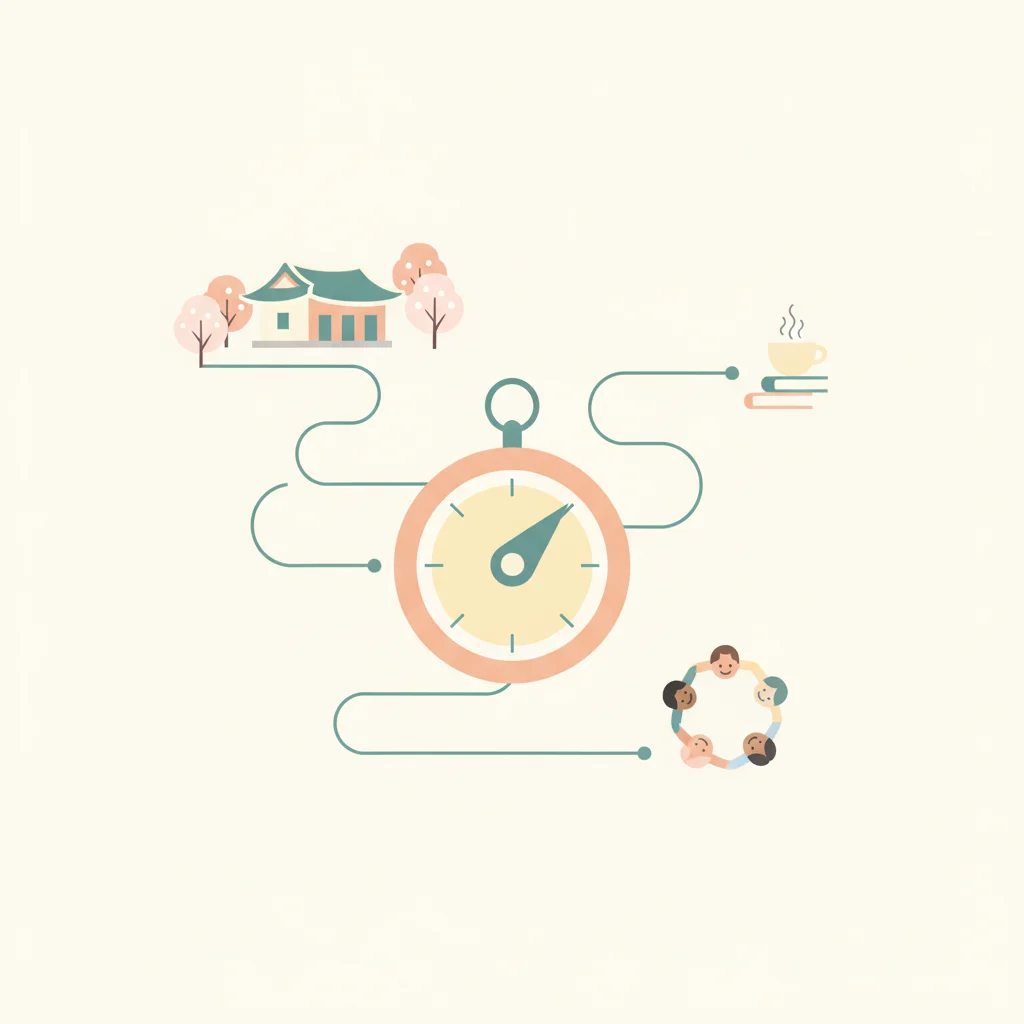
Without routines, these decisions require constant attention and mental energy. A consistent routine helps simplify everyday life by reducing uncertainty. This creates more space for:
- 📚 Learning
- 🧑🤝🧑 Socializing
- 🗺️ Exploring
- 🌱 Personal growth
Over time, familiar habits can make a foreign environment feel increasingly comfortable.
⏰ Daily Life in Korea: Essential Activities
One of the most effective daily life in Korea in South Korea focuses on the activities you perform every single day.
🌅 Morning Preparation
Many residents benefit from creating a simple morning structure. This may include:
- 🌤️ Checking the weather forecast
- 🚇 Reviewing transportation conditions
- 🍳 Planning meals
- 📅 Confirming appointments
Because Korean weather can change significantly throughout the year, even a quick check of the Korea Meteorological Administration forecast can be useful.
🚌 Commuting Habits
After several weeks, most residents develop preferred routes and transportation patterns. Having a reliable commuting routine can reduce stress and improve punctuality. Our Korea public transportation guide can help you plan efficient routes.
🌙 Evening Organization
Taking a few minutes each evening to prepare for the following day often makes mornings smoother. Small preparations can have a surprisingly large impact.
🏘️ Learn Your Neighborhood Gradually
When people first arrive in Korea, there is often pressure to learn everything immediately. In reality, becoming familiar with your local area is usually a gradual process.

📍 Identify Key Locations
Start by locating places you use frequently:
- 🛒 Grocery stores
- 🏪 Convenience stores
- 💊 Pharmacies
- ☕ Cafés
- 🚏 Public transportation stops
Knowing where these essential services are located creates a strong foundation for daily life. Our Korean convenience store guide covers one of the most useful nearby resources.
🚶 Develop Familiar Routes
Walking the same routes regularly helps build confidence. Over time, many residents begin noticing details they previously overlooked:
- 🍜 Small restaurants
- 🏬 Local businesses
- 🏟️ Community facilities
- 🌳 Parks and walking paths
These discoveries contribute to a stronger connection with the neighborhood.
🗂️ Create a Personal Information System
One practical habit that helped me considerably was organizing important information in one place. Useful information may include:
- 🏠 Home address
- 🆘 Emergency contacts
- 🚇 Transportation details
- 🏢 Building information
- 📅 Appointment schedules
Keeping this information accessible can reduce stress when unexpected situations arise. Many residents use digital notes, while others prefer physical planners. The specific method matters less than having a reliable system.
⚖️ Daily Life in Korea: Balancing Exploration
One common mistake among newcomers is trying to explore constantly without establishing a stable foundation. Exploration is important, but stability matters as well.
🔁 Maintain Familiar Habits
Keeping a few familiar routines from your home country can provide comfort during periods of adjustment. Examples might include:
- 📖 Reading in the morning
- 🏃 Exercising regularly
- 🍳 Preparing certain meals
- 🎨 Following a favorite hobby
These activities create continuity while adapting to a new environment.
🗺️ Schedule Time for Discovery
At the same time, intentionally setting aside time to explore Korea can prevent daily life from becoming repetitive. This balance helps many foreign residents remain engaged and motivated.
🤝 Building Social Routines
Daily life becomes easier when social interaction is part of your routine. This does not necessarily mean maintaining a busy social calendar. Simple habits can be enough.
🎯 Regular Community Activities
Examples include:
- 🗣️ Language exchanges
- ⚽ Sports groups
- 🙌 Volunteer activities
- 🎲 Hobby clubs
Participating consistently often leads to more meaningful connections than occasional large events.
📌 Familiar Local Places
Many residents gradually develop favorite locations such as a neighborhood café, a walking route, a local market, or a fitness center. Repeated visits can create a stronger sense of familiarity within the community.
🍂 Managing Seasonal Changes
Korea’s four seasons can significantly influence daily life in Korea in South Korea, so successful routines often adapt throughout the year. Our guide to Korea’s four seasons explains these rhythms in detail.

☀️ Summer Adjustments
Residents may carry water more frequently, plan outdoor activities carefully, and monitor weather forecasts closely.
❄️ Winter Adjustments
People often prepare additional clothing, leave home earlier, and manage indoor heating systems. Being flexible helps maintain consistency despite changing conditions.
🗣️ Developing Korean Language Habits
Many foreign residents want to improve their Korean but struggle to find time. Rather than relying on occasional intensive study sessions, small daily habits often produce better results. Examples include:
- 📝 Learning a few words each day
- 🪧 Reading simple signs
- 💬 Practicing common phrases
- 🎧 Listening to Korean media
Consistency is often more effective than attempting to study for long periods infrequently. Resources from the National Institute of Korean Language can support your learning. Over time, these small efforts accumulate into meaningful progress.
🌱 Accepting the Adjustment Process
One important lesson that many long-term residents eventually learn is that adaptation takes time. Some weeks feel productive and comfortable. Others may feel frustrating or unfamiliar. This is normal.

Building routines is not about creating a perfect schedule. Instead, it involves developing systems that support daily life and make challenges easier to manage. Most residents become significantly more comfortable after experiencing a full cycle of seasons and everyday situations.
🎉 Signs That Korea Is Beginning to Feel Familiar
Many foreigners describe similar milestones during their adjustment process. Examples include:
- 🧭 No longer needing navigation for routine trips
- 🏙️ Recognizing local landmarks automatically
- 🛒 Knowing where to shop for specific items
- 🍂 Understanding seasonal changes
- 🏘️ Feeling comfortable in neighborhood spaces
These moments often happen gradually rather than all at once. One day, you simply realize that tasks which once felt complicated now feel completely ordinary. For more on getting around, see the Korea Tourism Organization resources.
✅ Daily Life in Korea: Building Routines
Building effective daily life in Korea in South Korea is one of the most valuable investments a foreign resident can make. Although transportation systems, housing arrangements, and digital tools are important, long-term comfort often comes from small habits practiced consistently.
By learning your neighborhood, organizing essential information, balancing exploration with stability, and adapting to seasonal changes, you can create routines that make everyday life smoother and more enjoyable.
Living abroad is ultimately a process of turning unfamiliar experiences into familiar ones. Thoughtful routines help make that transition possible.
❓ FAQ
How long does it usually take to feel comfortable living in Korea?
The experience varies from person to person, but many residents report feeling significantly more comfortable after several months of establishing routines and learning local systems.
Should I focus on exploration or routine during my first year?
A balance of both is often most effective. Stable routines provide structure, while exploration helps you learn more about your surroundings.
What is the most useful routine for new foreign residents?
Many people find that developing consistent habits around transportation, shopping, and neighborhood familiarity creates the strongest foundation for daily life.
How can I build daily life in Korea in South Korea as a beginner?
Start small: build daily life in Korea in South Korea around essential activities like commuting, shopping, and language practice, then adapt them as you learn your neighborhood and the seasons.
📚 Related Guides
- Korea Public Transportation Guide
- How Daily Life Changes Through the Four Seasons
- Korean Convenience Store Guide