Korea Apartment Living: Heating, Maintenance Fees, and Unwritten Rules for Foreigners
Apartment living in South Korea comes with its own etiquette. Learn what foreigners should know about floor noise, security, package delivery, and neighbors.
Korea apartment living is something almost every resident experiences. Apartment living in South Korea is the norm—if you live here, there is a good chance you either live in an apartment building or know someone who does. If you live here, there is a good chance you either live in an apartment building or know someone who does. Apartments are one of the most common forms of housing in Korean cities, and entire neighborhoods are often built around large apartment complexes.
For many foreign residents, Korea apartment living feels different from what they experienced at home. The buildings are often modern and well-maintained, but there are also social expectations and community rules that may not be immediately obvious.
During my time helping newcomers adjust to life in Korea, apartment-related questions came up frequently. People wondered about noise levels, package deliveries, parking rules, and interactions with neighbors. While every building is different, there are several common patterns that help explain how apartment living in South Korea actually works.
Korea apartment living comes with unique customs and expectations. Understanding Korea apartment living norms helps you become a good neighbor.
🏙️ Korea Apartment Living: Why It’s So Common
To understand apartment culture, it helps to understand why apartments became such an important part of Korean housing.
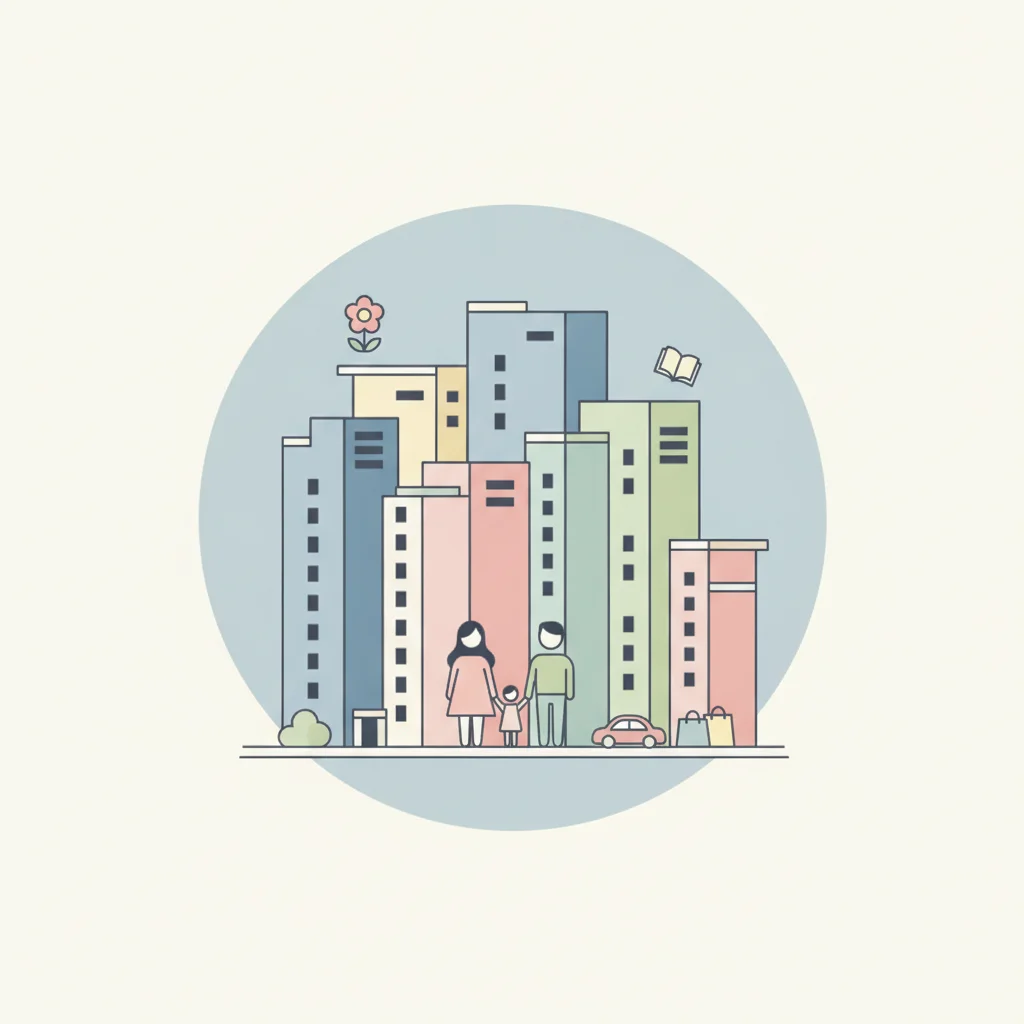
South Korea has a relatively small land area compared to its population. As cities expanded rapidly during the second half of the twentieth century, high-density housing became a practical solution.
Today, apartment complexes are popular because they often provide:
- 🚇 Convenient transportation access
- 🔒 Security features
- 🏊 Shared facilities
- 🏫 Nearby schools and shops
- 🏢 Efficient use of urban space
In many cities, apartment complexes function almost like small communities within larger neighborhoods. Residents may have access to parks, walking paths, fitness facilities, and local services without traveling far from home. If you are still comparing housing types, see our guide to housing in Korea.
🤫 Korea Apartment Living: Quiet Is Key
One of the first things many foreigners notice about Korea apartment living involves how seriously noise concerns are treated.
🔊 Understanding Floor Noise
In Korea, the term “floor noise” (층간소음) is commonly used to describe sounds that travel between apartments. Examples include:
- 🏃 Running indoors
- 🛋️ Moving heavy furniture
- 🤸 Jumping activities
- 💥 Loud impacts on the floor
Because many buildings have multiple residential units stacked vertically, excessive noise can affect neighbors living below. As a result, residents are often encouraged to be mindful of activities that create vibration or loud sounds. The government even operates a National Noise Information System for floor-noise concerns.
🌙 Late-Night Consideration
Although there is no single nationwide rule for all apartment buildings, many residents try to keep noise levels lower during evening and nighttime hours. Simple habits can make a difference:
- 🎵 Avoiding loud music late at night
- 🏋️ Using exercise equipment carefully
- 🛋️ Moving furniture during daytime hours
- 🚪 Closing doors gently
These practices help maintain good relationships within the building.
🔒 Korea Apartment Living: Security Features
One feature that many foreign residents appreciate is apartment security. Modern apartment complexes frequently include:
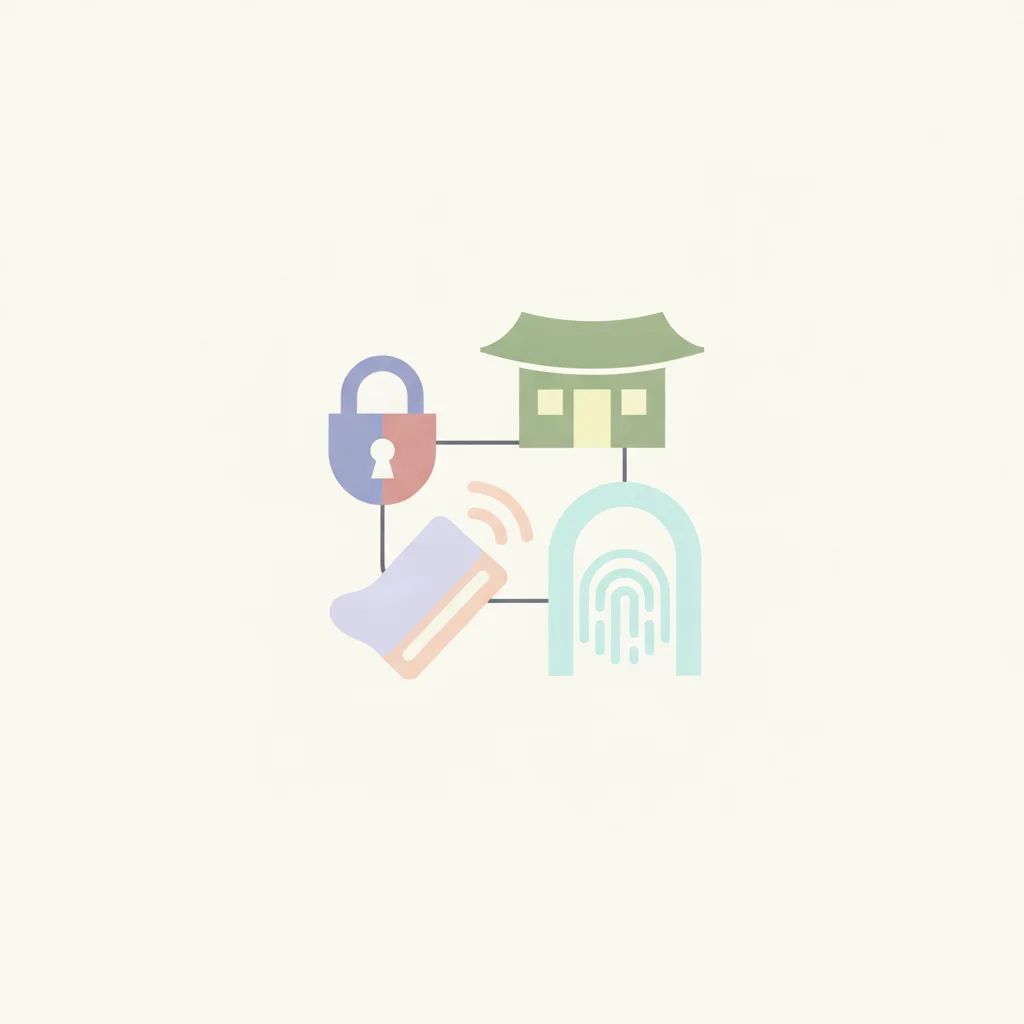
- 🔑 Entry access systems
- 📹 Security cameras
- 📞 Visitor call systems
- 🅿️ Controlled parking areas
Visitors often need to be approved before entering certain sections of a building. At first, these systems can seem complicated, but most residents quickly become comfortable using them.
For package deliveries, food deliveries, and visitors, understanding your building’s entry procedures can save time and reduce confusion.
📦 Korea Apartment Living: Package Deliveries
Online shopping is extremely common in Korea, and apartment buildings are designed with this reality in mind. Depending on the building, packages may be:
- 🚪 Left at the front door
- 🔐 Stored in delivery lockers
- 📦 Held in designated package rooms
- 🛡️ Placed in secure collection areas
Many newcomers are surprised by how frequently packages are delivered and how quickly orders often arrive. The official Korea Post service and private couriers both handle large volumes daily. Because delivery culture is so deeply integrated into daily life, apartment communities have developed systems to manage packages efficiently.
🏢 Korea Apartment Living: Management Offices
Most larger apartment complexes have a management office. These offices help coordinate community operations such as:
- 🛠️ Maintenance requests
- 📢 Building announcements
- ⚙️ Facility management
- 🅿️ Parking administration
- 📋 Resident information
If you experience a problem involving common areas, elevators, lighting, or building facilities, the management office is often the first place to contact. For foreign residents, introducing yourself and learning where the office is located can be very helpful after moving in.
🚪 Korea Apartment Living: Shared Spaces
Apartment living in South Korea involves more shared spaces than many newcomers expect. Examples include:
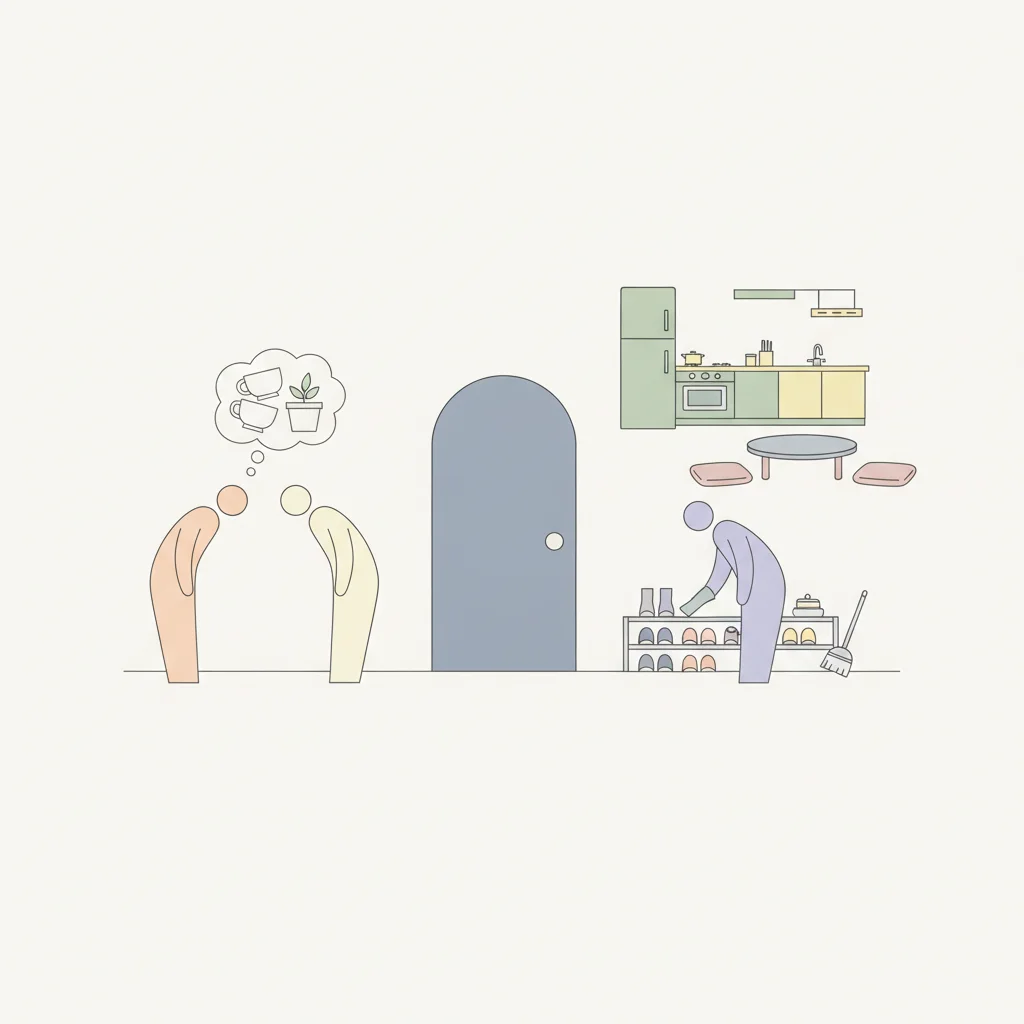
- 🛗 Elevators
- 🚶 Hallways
- ♻️ Recycling stations
- 🅿️ Parking areas
- 🌳 Walking paths
- 🏟️ Community facilities
Because these areas are used by everyone, residents generally try to keep them clean and accessible.
🛗 Elevator Etiquette
A small but noticeable cultural habit is allowing people to exit elevators before entering. Residents also tend to stand efficiently, especially during busy hours.
♻️ Recycling Areas
Recycling stations are shared by many households. Following sorting rules, overseen by the Korea Environment Corporation, helps maintain a clean environment for everyone.
🐶 Pet Considerations
Pet ownership is increasingly common in Korea. Owners are generally expected to manage pets responsibly in shared spaces, including keeping common areas clean and respecting neighbors’ comfort.
👀 Learning Through Observation
One lesson I often share with newcomers is that apartment culture is easier to learn through observation than memorization. Spend a few weeks paying attention to:
- ♻️ When neighbors dispose of recycling
- 📦 How packages are handled
- 📢 Building notices
- 🎉 Community events
- 🚪 Shared-space usage
Most apartment communities develop their own routines over time. Observing these patterns can help you understand local expectations without feeling overwhelmed.
🍂 Korea Apartment Living: Seasonal Life
Apartment living in South Korea changes with the seasons.
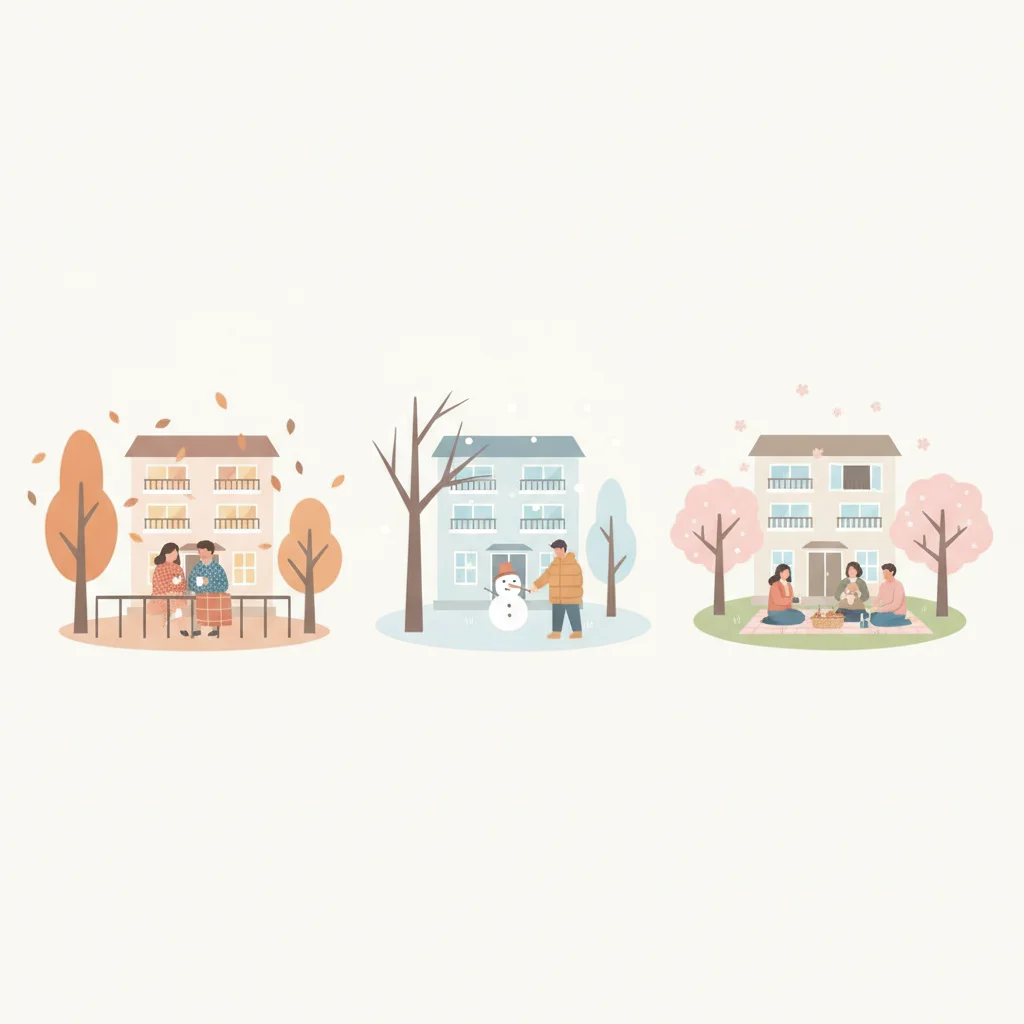
☀️ Summer
Residents may use air conditioning more frequently and spend time in outdoor community areas during the evening.
❄️ Winter
Heating systems become an important part of daily life. Many apartment buildings use floor-heating systems that differ from what some foreigners are accustomed to. Learning how your heating controls work before winter arrives can prevent unnecessary stress. Our guide to Korea’s four seasons explains more about seasonal living.
🎎 Holidays
Major holidays sometimes affect building activity, parking availability, and package delivery schedules. Being aware of these seasonal changes helps residents plan more effectively.
🤝 Building Positive Relationships With Neighbors
You do not need to become close friends with everyone in your building to have a positive living experience. Simple actions often make the biggest difference:
- 👋 Greeting neighbors politely
- 🧹 Respecting shared spaces
- 📋 Following building guidelines
- 🤫 Managing noise thoughtfully
- ♻️ Participating responsibly in community systems
These habits contribute to a comfortable environment for everyone. In my experience, foreign residents who understand apartment culture early often feel more connected to their neighborhood and encounter fewer day-to-day frustrations.
✅ Making the Most of Apartment Living in South Korea
Apartment living in South Korea is a major part of everyday life. Beyond simply providing housing, apartment complexes function as communities with shared facilities, routines, and expectations.
For foreign residents, understanding topics such as noise awareness, building security, package delivery systems, and shared-space etiquette can make daily life significantly smoother. While each building has its own character, the general principles of consideration, organization, and community responsibility are widely appreciated.
In the next article, we will explore another aspect of modern Korean life: the digital tools and mobile applications that many residents use every day. You may also like our Korean convenience store guide.
❓ FAQ
Are apartment rules the same in every building?
No. Individual apartment complexes often have their own policies regarding parking, facilities, deliveries, and community guidelines.
What should I do if I have a maintenance issue in my apartment?
For problems involving building facilities or shared areas, the apartment management office is often the best place to start.
Is noise a sensitive issue in Korean apartments?
Yes. Many residents are mindful of noise because apartments are closely connected, and sounds can travel between units. Being considerate is generally appreciated by neighbors.
Is apartment living in South Korea suitable for foreigners?
Yes. Apartment living in South Korea is popular with foreign residents thanks to strong security, convenient locations, shared facilities, and reliable package delivery systems.
📚 Related Guides
- Understanding Housing in Korea
- Korean Convenience Store Guide
- How Daily Life Changes Through the Four Seasons