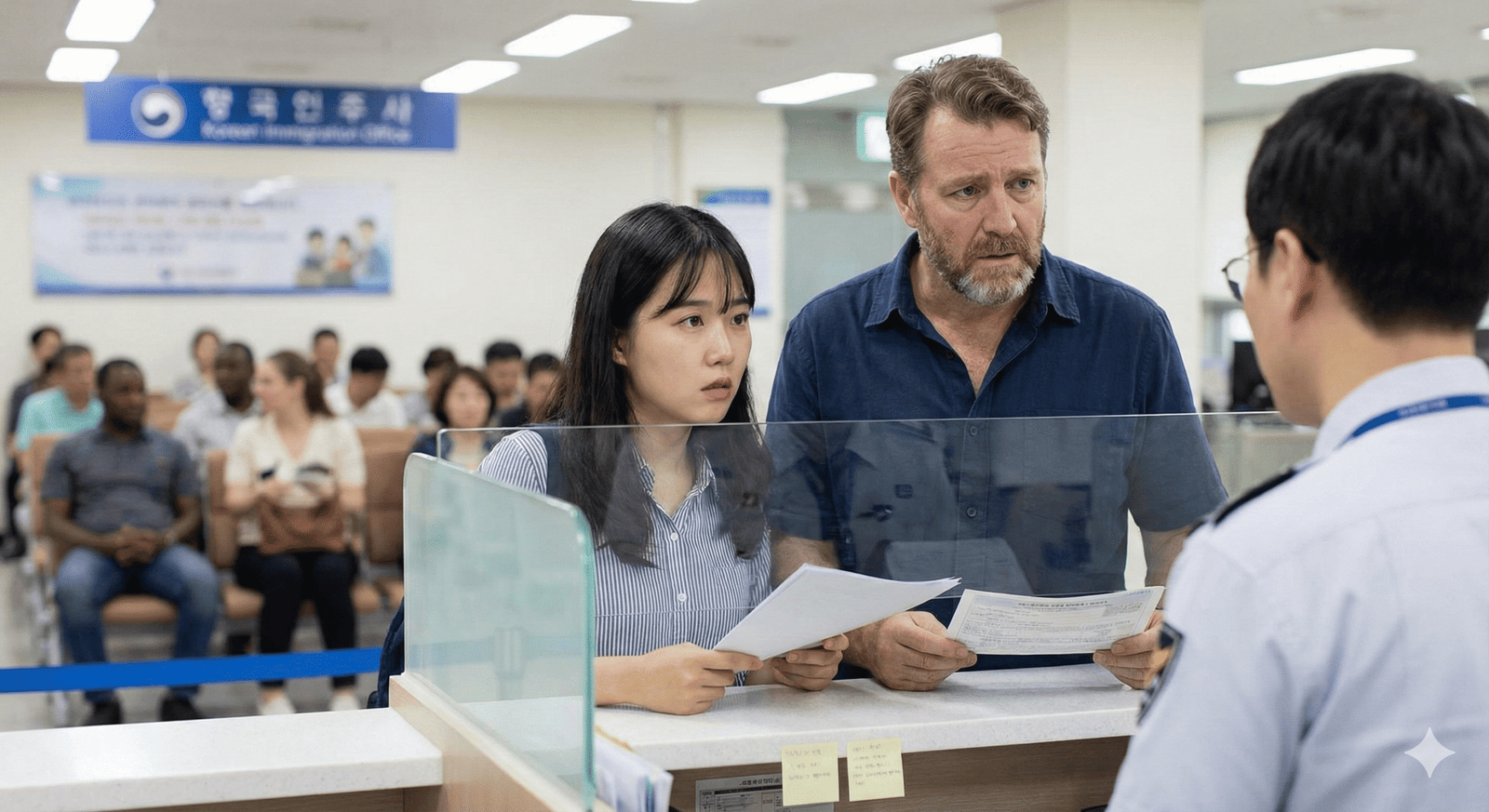
How to Change Your Visa Status While Living in Korea
Changing your visa status while living in Korea is a critical process for many foreigners, especially those transitioning jobs, getting married, or moving from student to work status. Understanding the specific requirements and procedures is essential to avoid complications or delays. This guide outlines the steps you need to take, the documents required, and the common scenarios you may encounter during the process.
Understanding the Need for a Visa Change
For many foreigners in Korea, the need to change visa status arises from significant life changes such as receiving a new job offer, marrying a Korean citizen, or completing studies. However, the process can be confusing and daunting. Many people are unaware that they can change their visa status without leaving the country, leading to unnecessary stress and potential legal issues. Knowing how to navigate the visa change process can save you time, money, and the hassle of dealing with immigration authorities. This article aims to clarify the steps involved, the necessary documentation, and the timelines you should consider.
When to Start Your Visa Change Process
When planning to change your visa status, it’s crucial to start the process early. Generally, you should begin your application at least 30 days before your current visa expires. The processing time for visa changes typically takes about 5 to 10 business days, but this can vary based on the specific type of visa you are applying for and the completeness of your application. If you are switching to a visa that requires additional documentation, such as an employment contract or marriage certificate, ensure you have these ready to avoid delays. Always check the latest processing times and requirements on the official HiKorea website or contact the Immigration Contact Center for the most accurate information.
Different Scenarios for Visa Changes
Different scenarios can affect the visa change process. For instance, if you are on an E-2 visa as an English teacher and wish to switch to an F-2 visa due to marriage, the requirements will differ from those of a student on a D-2 visa transitioning to an E-7 visa for employment. Each visa type has specific documentation and eligibility criteria that must be met. Additionally, personal circumstances such as having dependents or changing employers can complicate the process. Understanding these variations is essential for a smooth transition.
Example Scenarios
- Switching from E-2 to F-2 Visa: If you are on an E-2 visa and getting married to a Korean citizen, you will need to provide your marriage certificate, proof of your spouse’s income, and other supporting documents to demonstrate your eligibility for the F-2 visa.
- Transitioning from D-2 to E-7 Visa: Students on a D-2 visa wishing to work must apply for an E-7 visa or another work visa type. This requires proof of a job offer and relevant qualifications.
- Changing Employers on E-2 Visa: If you’re on an E-2 visa and changing employers, you will need to submit a new employment contract and a letter of release from your previous employer. Ensure that your new employer is registered with the immigration office to avoid complications.
Common Problems and Solutions
Despite careful planning, issues can arise during the visa change process. Common problems include missing documents, incorrect forms, or delays in processing. If your application is rejected, you typically have the option to appeal or reapply, but this can add significant time to your process. For example, if you find that your employment letter is not on company letterhead, you will need to obtain a new letter before resubmitting your application. Always keep copies of all submitted documents and correspondence with immigration authorities to facilitate any troubleshooting.
Step-by-Step Process for Changing Your Visa Status
Here’s a detailed breakdown of what to expect when changing your visa status:
- Days 1-5: Gather all necessary documents, including your passport, alien registration card, and any specific forms required for your new visa type. Ensure all documents are up-to-date and correctly filled out.
- Days 6-10: Submit your application at the local immigration office. Be prepared for possible questions or requests for additional information.
- Days 11-15: Wait for processing. During this time, you may receive notifications from the immigration office regarding your application status.
- Days 16-20: If approved, receive your new visa status. If there are issues, address them promptly as advised by the immigration office.
Where to Get Official Information
Always verify the latest requirements through official channels before proceeding:
- HiKorea Portal (hikorea.go.kr): The official online platform for visa applications, extensions, and status checks. Available in Korean, English, and Chinese.
- Immigration Contact Center: Call 1345 from any phone in Korea. Multilingual support available 24/7.
- Seoul Immigration Office: Located at 151 Mokdong-ro, Yangcheon-gu (Omokgyo Station Exit 7). Open Monday-Friday, 9 AM to 6 PM.