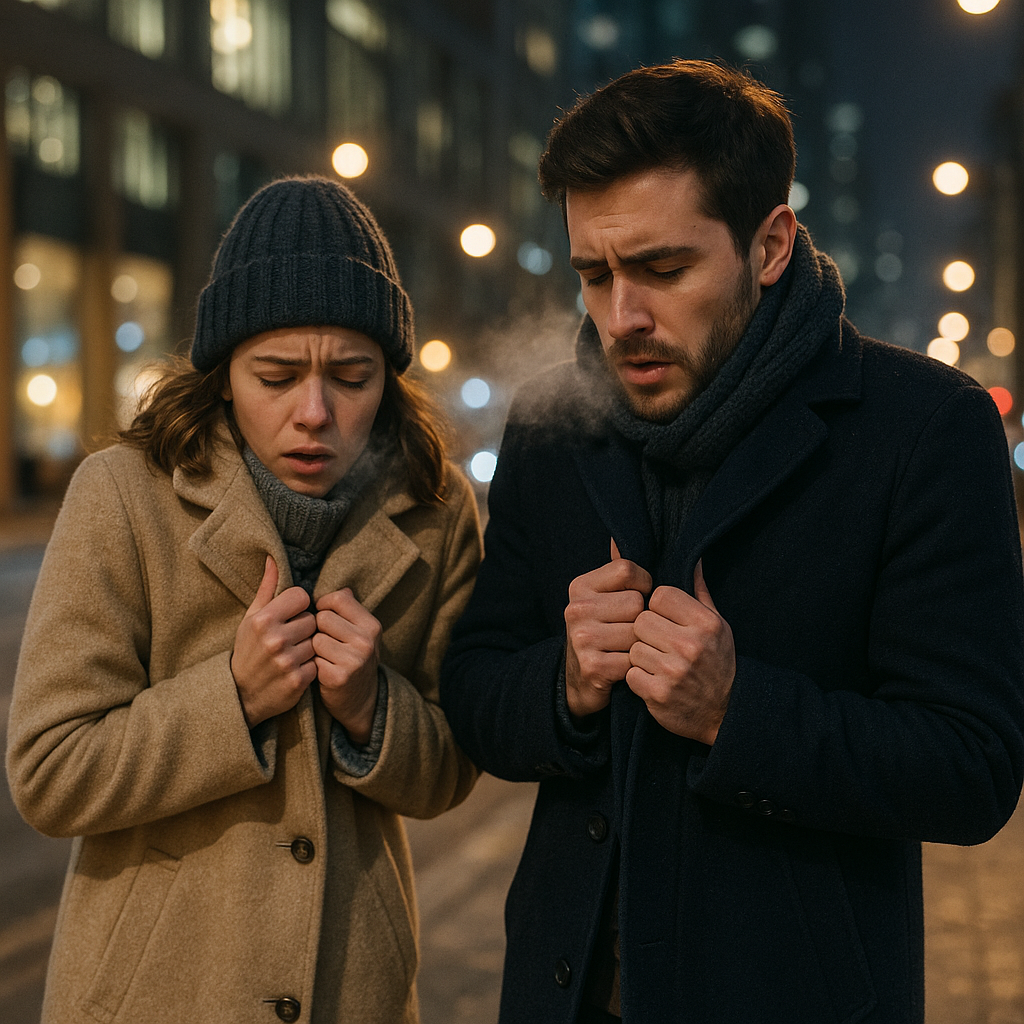
Okay, Can We Talk About Korean Winters?
Look. I need to vent for a second.
I moved to Seoul thinking I knew what cold was. Grew up in the Midwest, spent time in Canada. Figured Korea would be a breeze. Same latitude as San Francisco, right? Maybe Athens?
Wrong. So, so wrong.
My first January here absolutely wrecked me. Like, I stepped outside one morning and genuinely couldn’t feel my face within thirty seconds. Not exaggerating. Thirty seconds. And the thermometer said minus five Celsius. That’s it. I’ve been in minus twenty back home and felt warmer.
What gives?
That question haunted me. So I did what any obsessive person does. Went down a rabbit hole. Weather forums, climate papers, random YouTube videos at 2 AM, conversations with Korean colleagues who just shrugged and said “그냥 추워요” (it’s just cold). Three years later, I think I finally get it.
The Latitude Thing Is Basically a Lie
Here’s what nobody tells you. Latitude means almost nothing by itself.
Sure, it determines how much sun you get. Basic physics. But climate? That’s a whole different beast. You need to factor in ocean currents, wind patterns, nearby landmasses, humidity levels. Korea checks all the wrong boxes.
California sits at similar latitude. But California has this gorgeous warm current flowing up from Mexico. Pacific Ocean acts like a giant hot water bottle. The coast stays mild year-round.
Korea? Nope.
The Yellow Sea is shallow. Freezes quick. Doesn’t store much heat. And the ocean currents that do exist? They flow the wrong direction to help. Instead of warm tropical water, Korea gets whatever cold mess drifts down from Russia.
I remember explaining this to my mom on a video call. She kept saying “but you’re practically Mediterranean!” And I’m standing there in four layers, watching my breath fog up the phone screen.
Siberia Sends Its Regards
This is the real culprit. Siberian air masses.
Every winter, this massive high-pressure system builds over Siberia. Picture it like a giant dome of freezing air sitting on top of Russia. Eventually it spills over. Cascades down through Mongolia, Manchuria, and slams directly into Korea.
No buffer. No barrier. Nothing to stop it.
The Taebaek Mountains run north to south along Korea’s spine. You’d think mountains would help, right? Block some wind? Nah. They actually channel the cold air. Funnel it straight into Seoul and the western plains.
My Korean friend has this phrase she uses. “칼바람.” Literally means knife wind.
First time she said it, I laughed. Thought it was dramatic. Then I experienced it. Walking across Gwanghwamun Plaza in January. Wind so sharp it felt like actual blades on my cheeks. Eyes watering, ears stinging, nose running. Knife wind. Perfect description. Not dramatic at all.
Average January temperature in Seoul hovers around minus two Celsius. Doesn’t sound terrible on paper. But nights drop to minus ten easily. Sometimes minus fifteen. And that’s before windchill.
Why Does Minus Five Feel Like Minus Fifteen?
Okay, this part surprised me.
Korean winters are dry. Really dry. Humidity drops to like thirty percent some days. Back home, cold usually comes with moisture. Snow, dampness, that heavy winter air.
Here? Bone dry.
And dry cold hits different. Your skin loses moisture fast. Heat escapes your body quicker. That minus five reading? Your body experiences it as much worse. The “real feel” temperature they show on weather apps isn’t just marketing. It’s legit science.
Plus the static electricity. Oh my god, the static. I shock myself on everything. Door handles, elevator buttons, my cat. Poor guy hates me from December to March.
A Quick Tokyo Comparison (Because It’s Infuriating)
Tokyo sits at almost the same latitude as Seoul. Slightly south, but close enough.
Yet Tokyo winters feel completely different. Milder. Gentler. Almost pleasant sometimes.
Why? The Kuroshio Current.
This warm ocean stream flows up from the tropics and hugs Japan’s eastern coast. Acts like natural central heating for the whole country. Tokyo gets the benefit. Korea doesn’t.
I visited Tokyo one February. Walked around in a light jacket. Ate street food without my fingers going numb. Came back to Seoul the next week and immediately regretted all my life choices.
Geography is unfair. That’s my conclusion.
Seoul’s Urban Chaos Doesn’t Help Much
You’d think a megacity would be warmer. All those buildings, heaters, cars, people. Urban heat island effect and whatnot.
Seoul does run slightly warmer than the surrounding countryside. But not by much. Maybe a degree or two difference at best.
The cold air here is dense. Heavy. Sinks into the city at night like invisible fog. Settles into every alley and side street. The tall buildings create wind tunnels instead of windbreaks. Glass towers reflect what little sun exists rather than absorbing warmth.
I lived in Hongdae my first year. That neighborhood never sleeps. Always crowded, always loud. You’d expect body heat alone to make a difference.
Nope.
Walking home at midnight felt like walking through a freezer. Still air that somehow hurt worse than wind. The cold just… sat there. Waiting for you.
Korea’s Geography Is Basically Cursed
This peninsula sits in the worst possible spot. Climatically speaking.
West side faces China across the Yellow Sea. Shallow water, no thermal mass. East side faces Japan across the East Sea. Deeper water, but winds don’t blow that direction in winter.
Winter winds come from the northwest. Siberia to Manchuria to Korea. Straight shot. The winds pick up a tiny bit of moisture over the Yellow Sea, just enough to dump snow on the western coast, but not enough to warm anything.
The landmass is narrow. Surrounded by water that provides zero insulation. Continental climate trapped on a peninsula pretending to be temperate.
My Korean coworker once described it perfectly. “We get Siberian winters and Southeast Asian summers. Worst of both worlds.” She wasn’t wrong. July here hits thirty-five degrees with ninety percent humidity. Then January arrives and you’re suddenly in Mongolia.
No adjustment period either. Autumn lasts like three weeks now. Maybe four if you’re lucky. One day you’re enjoying fall colors, the next day you’re digging out your heavy coat.
The Psychological Factor Nobody Talks About
This might sound weird. But hear me out.
Part of why Korea feels so cold is mental. Perceptual. The built environment amplifies everything.
Wide streets act as wind corridors. Glass buildings reflect pale winter light everywhere. Sky stays gray for weeks. Sun sets at five-thirty PM and you don’t see it properly until March.
And because summers are so brutal, your body never calibrates. You spend four months sweating through your clothes, then suddenly it’s freezing. The contrast makes winter feel worse than the actual temperature warrants.
Every expat I’ve talked to mentions this. “It feels colder than it is.” We’re not imagining it. The combination of dry air, wind, low humidity, urban design, and seasonal whiplash creates something that thermometers can’t capture.
Koreans themselves have adapted. They layer like professionals. Heat-tech undershirts, padded jackets, scarves wrapped twice around. Portable hand warmers in every pocket. Nobody leaves home unprepared.
Random Stuff I Learned Down the Rabbit Hole
Some interesting tidbits from my research spiral:
The angle of solar radiation in Korean winters is lower than you’d expect. Fine dust and haze scatter sunlight, reducing actual warming even on sunny days.
Someone theorized that North Korea’s deforestation decades ago removed natural windbreaks, letting cold air flow south more easily. Can’t prove it, but makes sense.
Jeju Island feels like a different country in winter. Mild, rainy, rarely below freezing. Shows how much local geography matters beyond latitude.
I read on a Korean forum that some apartments get ice forming on interior walls. Thought it was exaggeration. Then saw photos. Then experienced it myself. Condensation freezes on poorly insulated windows overnight. Wild.
So What’s the Takeaway Here?
Latitude is lazy shorthand. Korea’s actual climate comes from continental influence, oceanic absence, Siberian wind patterns, and dry air.
When I tell people Seoul winters feel harsher than Montreal, they think I’m being dramatic. But I’ve done both. Montreal cold is heavy, wet, predictable. Seoul cold is sharp, dry, and somehow personal. Feels like it’s targeting you specifically.
Maybe that’s why Korean comfort culture is so strong. You need ondol floors heating your bones. Need hotteok warming your hands. Need those ridiculous blanket capes people wear at home.
The cold demands coziness. And honestly? That part I don’t mind.
FAQ Section
Why does South Korea feel colder than expected? The dry Siberian air, lack of warm ocean currents, and strong winter winds make temperatures feel much worse than they read on thermometers.
What is the coldest month in Korea? January takes the crown. Inland areas regularly see minus ten to minus fifteen Celsius overnight.
Why doesn’t the ocean warm Korea up? The Yellow Sea is too shallow to retain heat, and no warm currents like the Gulf Stream exist here.
How do Korean homes stay warm? Floor heating called ondol. Pipes run hot water beneath the floor. Slow to heat up but incredibly cozy once it does.
What is 칼바람? Literally “knife wind.” The biting winter wind that makes exposed skin feel like it’s being cut.
Is Jeju Island warmer in winter? Significantly. Temperatures hover between five and ten Celsius most days. Different climate zone entirely.
Does Seoul get much snow? Occasionally. Snow events happen but melt quickly unless a cold snap locks everything in place.
How do locals survive it? Layers, hand warmers, hot drinks constantly, and ondol floors at home. Also complaining. Complaining helps.
Why are Korean winters so bright and sunny? Low humidity and clear skies after cold fronts. Sunlight reflects off everything, creating that almost blinding winter glare.
Do people actually get sick from the cold more often? Debated. Koreans believe in “catching cold” very literally. Whether it’s true or just cultural belief, everyone acts like it is.
How to Reduce Heating Bills in Korea: Hacks Every Foreigner Should Know
“Why Does South Korea Feel So Much Colder Than Its Latitude Suggests?”에 대한 2개의 생각