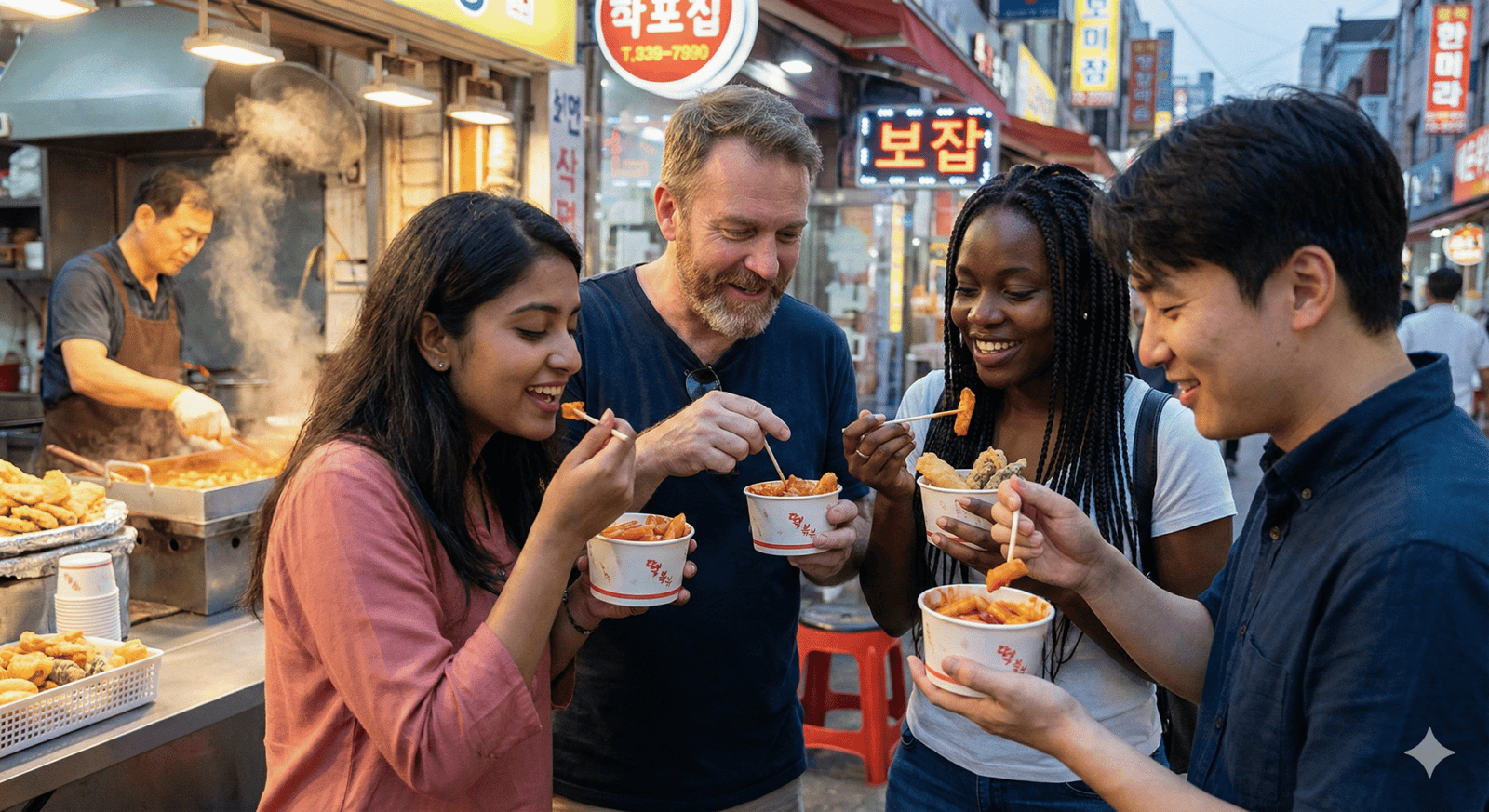
If you’ve been in Korea for more than a week you’ve probably had this moment. You bite into a dish expecting salt or spice. And suddenly it’s sweet.
Bulgogi? Sweet. Fried chicken glaze? Sticky-sweet. Even the garlic bread somehow tastes like dessert. Foreigners often whisper about it on Reddit threads. “Why is everything in Korea sweet?” It’s not your imagination. Koreans really do love a touch or splash of sugar in almost everything. Sometimes both.
But here’s the thing. It’s not laziness or Americanization. Sweetness in Korean food has cultural roots. Historical quirks. And practical reasons that go way beyond “they just like sugar.” It’s comfort, balance, and social harmony all in one flavor.
The Historical Roots of Korean Sweetness
Before industrial sugar ever arrived Korea already had a sweet tooth. Just differently. Back in the Joseon era sweeteners came from honey, rice syrup, and malt syrup. They were precious ingredients used in ceremonies. Temple food. Offerings to ancestors. Sweetness meant abundance. Luxury even.
For centuries savory food was minimalist. Mostly soy sauce, sesame oil, salt, garlic. Sweet things were occasional luxuries. So when sugar became cheap in the twentieth century people overcompensated. It was suddenly accessible indulgence. And it snuck into everything. Sauces, marinades, even pickles.
Read a Korean food historian’s essay once who said “Sugar replaced sincerity.” Meaning hosts started adding sweetness as a way of showing generosity. The sweeter the food the warmer the welcome. It’s not just flavor. It’s a cultural gesture. Hospitality encoded in taste.
The Korean Palate: Balance, Not Overload
If you’re from a Western country you might think of “sweet” as a dessert thing. In Korea it’s a balancing agent. Fundamental difference.
Korean cuisine thrives on contrast. Spicy and cooling. Salty and mild. Bitter and sweet. That small touch of sugar in kimchi stew or spicy rice cakes isn’t random. It’s there to round off chili heat and salt. Sweetness softens aggression. Makes food feel full not harsh.
Take bulgogi for example. It’s literally marinated beef in soy sauce, sugar, pear, and garlic. The sugar caramelizes during cooking. Giving that glossy look and umami-rich taste. Without it the dish feels flat. Same with glass noodles stir-fried with vegetables. Westerners often call it “too sweet” but Koreans see it as balanced. Salty soy. Earthy sesame. Crisp vegetables. And that faint sweetness that ties it all together.
Actually if you ask a Korean mom she’ll say “It’s not sweet it’s tasty.” To her “tasty” often includes a hidden layer of sweetness. That’s the secret.
Post-War Influence: The Rise of Sugar and Café Culture
After the Korean War U.S. aid brought powdered milk. Flour. And you guessed it. Sugar. Korean cooks adapted fast. They added sugar to sauces. Pickles. Even kimchi brine. The new flavor stuck especially among younger generations. Reset the baseline.
Then came the 1980s and 90s. Instant noodles. Convenience foods. And mass-market sauces. Companies realized sweet flavors sold best. Go to any supermarket now and you’ll see it. Pre-made spicy rice cake sauce. Sweet soy marinades. Even “honey butter” everything. Marketing met appetite.
The real turning point might have been Korean fried chicken. Double-fried. Drenched in red chili paste-based sauce loaded with corn syrup and sugar. It’s sweet, spicy, crunchy. An addictive flavor bomb. That combo basically defined modern Korean fast food. National identity on a plate.
And with café culture exploding in the 2000s sweet drinks became part of daily life. Sweetness isn’t a treat anymore. It’s background noise. Even “americano” sometimes comes with syrup by default. Assumed preference.
Regional and Generational Differences
Not all Korean food is sweet. The southern regions like Jeolla use more soy and chili than sugar. Traditional Buddhist temple food avoids sweetness entirely. Focusing on natural flavor. Minimal intervention.
Older Koreans also tend to dislike overly sweet modern versions of classics. You’ll hear them complain. “Spicy rice cakes used to be spicy not candy!” Meanwhile younger Koreans raised on convenience food think of sweetness as normal. Comforting even. Nostalgic.
Asked a Korean coworker once why she prefers sweeter kimchi. She said “Because my mom’s kimchi was sweet. It tastes like home.” That answer sums it up better than any research paper ever could. Memory encoded in flavor.
Sweetness is also emotional currency. When someone gives you honey bread or caramel latte it’s affection disguised as dessert. Corporate meetings? Always pastries or fruit syrup drinks. School exams? Teachers hand out candy for “energy.” Sweetness equals care. Mathematical equation.
Even in cooking for others a slightly sweeter touch is polite. It makes dishes seem richer and more “thoughtful.” Cooked spicy tofu stew for Korean friends once. Authentic, fiery, unsweetened. They smiled. Then quietly added sugar from the table.
Lesson learned.
There’s a phrase in Korean that translates roughly to “Sweet things make you feel good.” It’s half-joke half-truth. In a culture that values emotional control food becomes a safe space for pleasure. Socially acceptable indulgence.
Sweet vs. Spicy: The Eternal Duo
Korean food’s biggest global signature. That addictive sweet-spicy combo. Isn’t random either. Sugar amplifies chili flavor and gives depth to red chili paste. That’s why braised spicy chicken, spicy rice cakes, and glazed fried chicken all taste like cousins. Same family DNA.
There’s even science behind it. Capsaicin the compound that makes chili spicy triggers pain receptors. Sugar counteracts that by stimulating dopamine. Your brain literally gets confused. And rewarded. That’s why “sweet heat” feels so satisfying. Koreans basically engineered emotional comfort food decades before fusion cuisine made it trendy. Ahead of the curve.
The Expats’ Taste Adjustment Phase
Most foreigners go through three stages:
Shock: “Why is my pasta sweet?” Because it’s Korean-style “rose” pasta of course. Cultural adaptation of Italian classics.
Resistance: You start searching for “authentic” or “non-sweet” food. The quest begins.
Acceptance: One day you realize you’re craving sweet red chili sauce on your fries. You’ve crossed over.
It’s a slow cultural recalibration. You stop expecting strict divisions between salty and sweet. You start noticing that every bite feels balanced. Even comforting.
Actually Korean sweetness grows on you. It sneaks into your expectations. When I go home now I find Western soy sauces harsh. They taste unfinished. Korean food trained my tongue to expect warmth and roundness where bitterness used to live. Palate evolution.
How to Adapt (Without Losing Your Mind or Taste Buds)
Cook at home sometimes. Korean recipes let you adjust sweetness easily. Just reduce sugar or add vinegar for balance. Control variables.
Ask for less sweet at cafés or restaurants. Most staff will understand. Communication works.
Try regional cuisines. Jeonju, Gwangju, and Jeju often use milder seasoning. Geographic variation.
Pair with side dishes. The variety of flavors helps offset sweetness. Built-in balance system.
Use spice as counterbalance. Chili paste or kimchi naturally cuts through sugar. Natural antidote.
Also remember. Sweetness here isn’t childish. It’s cultural comfort. It softens harsh flavors yes. But it also softens life. Philosophical layer.
The Bigger Picture: Sweetness as Modern Identity
Korean food has gone global. And its signature sweetness is part of why. From Korean BBQ to rice bowl sauce that touch of sugar makes the cuisine accessible to wider palates. It bridges old and new. Industrial convenience and ancestral care. Past meeting present.
And in a fast-paced society like Korea where stress levels are sky-high maybe the national sweet tooth makes sense. Life is intense. Food shouldn’t be. Simple logic.
Overheard a middle-aged Korean man at a café once say “Life is bitter enough. Let food be sweet.” That line has stuck with me for years. Philosophy in a sentence.
FAQ
Is all Korean food sweet? No but sweetness often appears subtly. Especially in sauces and marinades. Background note.
Why is Korean fried chicken sweet? The red chili paste-based glaze includes sugar or corn syrup to balance spice and give shine. Functional sweetness.
Are traditional dishes like rice bowl sweet? Not really. Only modern or restaurant versions sometimes add sugar to the sauce. Evolution of recipes.
How can I ask for less sweetness? Say it in Korean or just gesture and say “less sweet please.” Most places understand. Universal language.
Did American influence cause this? Partially. Post-war sugar imports shaped modern tastes. But sweetness existed long before. Accelerated not created.
What’s the sweetest Korean dish? Probably glazed fried chicken or “honey butter” snacks. Pure sugar happiness. No apologies.
Can I find non-sweet options in Korea? Yes. Temple food, traditional markets, and home-cooked regional dishes tend to be milder. Options exist.
Weird question — is Korean soy sauce sweet too? A little! It’s often blended with sweet rice wine or sugar in recipes for smoother flavor. Even the basics affected.