Moving to or living in Korea often means navigating a new language, cultural norms, and daily routines. Many foreign residents look for spaces where they can connect with others who share similar experiences or speak their native language.
Social interaction helps with practical concerns like adjusting to local systems, finding housing, or understanding workplace culture. Beyond practical needs, meeting other foreigners provides emotional support and reduces the isolation that can come with living abroad. However, these spaces are not exclusive clubs. They are simply areas where foreign residents naturally gather due to proximity to international workplaces, universities, or community services.
2. Neighborhoods with High Foreign Populations
Certain neighborhoods in Korea have historically attracted foreign residents due to employment hubs, military bases, or university clusters. These areas often feature shops, restaurants, and services that cater to international communities.
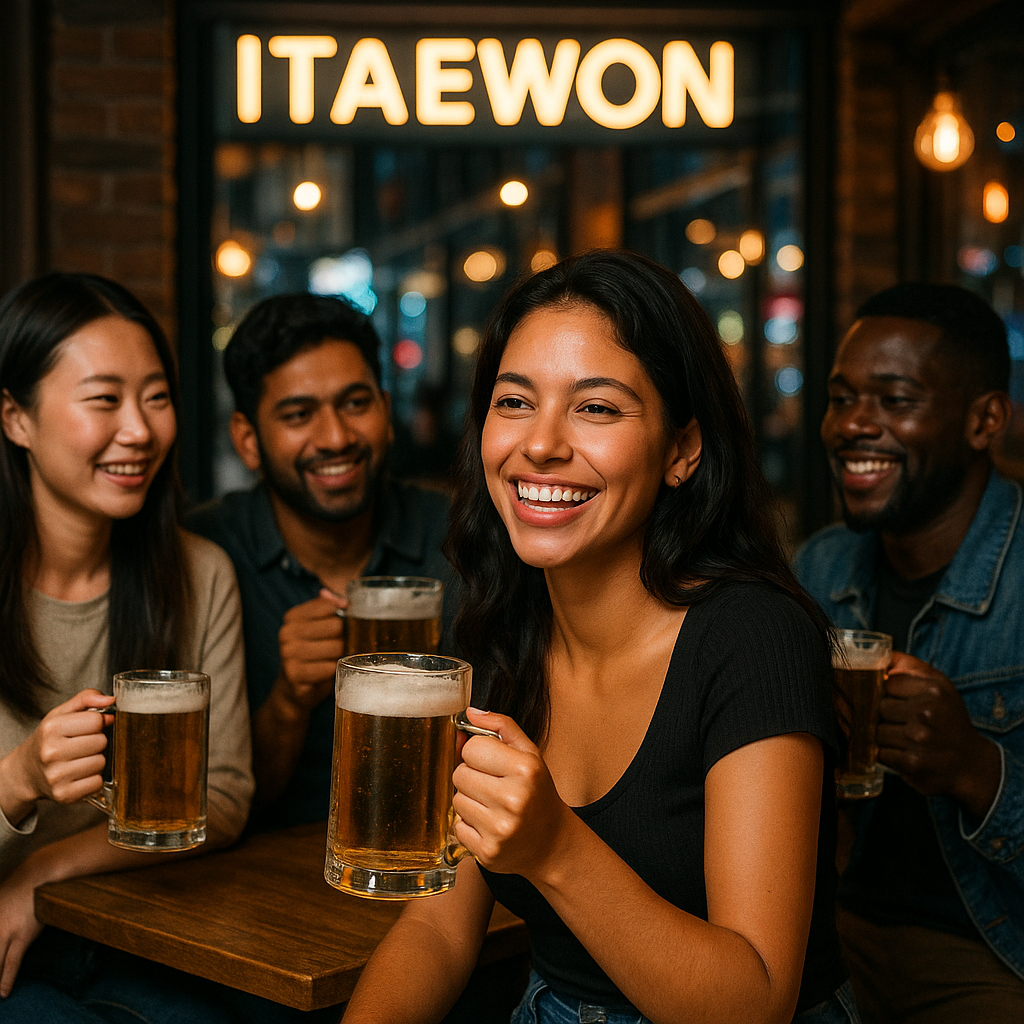
In Seoul, Itaewon has long been known as a multicultural district. The area surrounds the former U.S. military base and has developed a concentration of international restaurants, bars, and businesses. English is commonly spoken, and the neighborhood attracts both long-term residents and short-term visitors.
Haebangchon, a hillside area near Itaewon, has become a residential choice for foreigners seeking quieter streets while remaining close to international amenities. The neighborhood has cafes and small eateries with diverse menus.
Gangnam and nearby districts like Seocho attract foreign workers in technology, finance, and education sectors. Corporate offices and international schools in these areas create a natural gathering point for expatriate families and professionals.
Hongdae, known for its university atmosphere, draws younger foreigners including students and English teachers. The area has a high concentration of language exchange cafes, clubs, and casual dining spots.
In Busan, Haeundae and the surrounding beach area have international hotels, restaurants, and residential complexes. Seomyeon also serves as a central hub where foreign residents and locals mix in commercial districts.
3. Public and Community Spaces
Korea has official and unofficial spaces designed to facilitate cultural exchange or simply serve as neutral gathering points.
Global Centers and Support Facilities
Seoul Global Center, located in City Hall, provides free consultation services, cultural programs, and a lounge area where foreign residents can access information or attend workshops. Similar facilities exist in other major cities under names like Busan Global Center or Incheon Global Center. These centers are government-run and offer practical support rather than social clubs, but they often host events that bring together foreign residents.
Libraries and Cultural Institutes
Public libraries in Korea occasionally hold English book clubs or language exchange sessions. Cultural institutes such as the British Council, Goethe-Institut, or Alliance Française organize film screenings, lectures, and social gatherings. These events are open to the public and provide structured environments for meeting others with shared interests.
Religious and Faith-Based Communities
International churches, mosques, temples, and other religious organizations serve as social anchors for many foreign residents. Weekly services and community activities provide regular interaction points. These spaces are open to attendees of the respective faiths and often organize volunteer activities or social outings.
4. Language Exchange and Learning Environments
Language exchange has become one of the most accessible ways for foreigners to meet both Koreans and other non-Koreans in informal settings.
Language Exchange Cafes and Apps
Certain cafes in Seoul, Busan, and other cities host regular language exchange meetups. Participants typically pair up or form small groups to practice Korean and other languages. Events are usually free or require only the purchase of a drink. These gatherings are casual and do not follow formal lesson structures.
Apps and online platforms like HelloTalk, Tandem, or Meetup facilitate both virtual and in-person language exchanges. Users arrange meetings at cafes, parks, or public spaces. The quality and frequency of these meetups depend on individual initiative rather than institutional support.
University Language Programs
Foreign students enrolled in university language programs naturally form study groups and social networks. Campus bulletin boards and student unions often list events or gatherings open to non-students as well, though access may vary by institution.
Bars, clubs, and casual dining venues in certain neighborhoods become de facto meeting spots for foreigners due to proximity and atmosphere.
In Itaewon and Haebangchon, bars with English-speaking staff and international music selections draw regular crowds. These venues are not exclusively for foreigners, but the clientele is often mixed. Some establishments host trivia nights, live music, or open mic events that encourage mingling.
Hongdae’s nightlife scene includes clubs and bars frequented by both Korean and international university students. The area is known for street performances and a younger crowd. Similarly, Gangnam’s upscale bars and lounges attract working professionals, including foreign employees of multinational corporations.
However, nightlife venues are commercial spaces. Interaction depends on individual initiative and social comfort rather than organized programming.
6. Sports and Hobby Groups
Recreational activities provide a structured way to meet others with shared interests. Korea has numerous amateur sports leagues, hiking clubs, and hobby groups that welcome foreign participants.
Sports Leagues and Teams
Seoul and other cities have expat-organized or mixed-nationality soccer, rugby, basketball, and ultimate frisbee leagues. Teams often recruit through social media or community bulletin boards. Participation usually requires a seasonal fee and regular attendance. These leagues are open to varying skill levels and emphasize social interaction as much as competition.
Hiking and Outdoor Groups
Hiking is a popular activity in Korea, and several groups organize weekend trips to mountains and trails. These outings are typically announced on platforms like Meetup or Facebook groups. Participation is often free, though transportation or meal costs may apply. The groups are informal and open to anyone willing to keep pace with the group’s hiking level.
Creative and Cultural Hobbies
Art classes, cooking workshops, photography walks, and book clubs occasionally form around foreign communities. These activities may be organized by individuals or small businesses and advertised through social media or community boards. Costs vary depending on the activity’s nature and venue.
7. Workplace and Professional Networks
Foreign residents working in Korea often meet others through their employers or industry-specific networks. Multinational corporations, international schools, and universities naturally bring together employees from diverse backgrounds.
Some cities have professional associations for specific industries, such as finance, education, or technology. These groups hold networking events, panel discussions, or informal gatherings. Membership may require a fee or professional credentials.
Coworking spaces in Seoul, particularly in Gangnam and Yeoksam, serve as hubs for freelancers and remote workers. These spaces often host community events or casual Friday gatherings where members interact.
Digital spaces have become primary tools for foreigners to organize in-person meetups or seek advice.
Facebook Groups
Groups like “Expats in Korea,” “Seoul Foreigners,” or city-specific pages serve as bulletin boards for events, housing searches, and general questions. These groups are moderated by volunteers and vary in activity level and tone. Announcements for language exchanges, hiking trips, or casual meetups are common.
Meetup.com
The platform hosts dozens of groups targeting foreign residents in Korea, covering interests from language learning to photography to board games. Event frequency and size vary, and participation is typically free or low-cost.
Reddit and Online Forums
Subreddits like r/korea or r/seoul have active discussions and occasional meetup announcements. Users share information about visa processes, housing, and social events. However, online forums are primarily informational rather than social.
9. Universities and Student Life
Foreign students at Korean universities form a significant portion of the international community. University campuses have international student offices, cultural clubs, and student-run organizations that host events.
Exchange students and degree-seeking foreigners often live in dormitories or nearby housing, creating concentrated communities. Campus festivals, orientation weeks, and club activities provide natural meeting points. Some universities allow non-students to attend certain public events, though policies differ by institution.
10. Practical Considerations
Meeting people in any country involves navigating cultural norms and personal boundaries. In Korea, direct approaches in public spaces may be less common than in other countries. Social interaction often begins in structured environments like classes, workplaces, or organized events.
Safety and privacy are practical concerns. Meeting strangers through online platforms requires the same caution as anywhere else. Public venues and group settings reduce risk compared to one-on-one meetings in unfamiliar locations.
Language ability affects ease of interaction. While many foreigners in Korea speak limited Korean, major cities have enough English speakers to allow basic communication. However, relying solely on English limits interaction with the broader Korean population.
Cost is a factor for some activities. While language exchanges and hiking groups are often free, sports leagues, classes, and nightlife venues require spending. Budget-conscious residents may prioritize free or low-cost options like public parks, libraries, or community centers.
11. Common Questions
Do I need to speak Korean to participate in these activities?
Many activities targeting foreign residents operate primarily in English or other international languages. However, some groups encourage bilingual interaction, especially language exchanges. Basic Korean phrases help with navigation and daily tasks, but fluency is not required for most expat-oriented events.
Are these spaces only for foreigners?
No. Most spaces are open to anyone, and many Koreans interested in cultural exchange or international friendships attend the same events. Mixed-nationality gatherings are common in language exchanges, hobby groups, and public events.
How do I find current events or meetups?
Social media platforms, particularly Facebook groups and Meetup.com, are the most reliable sources for up-to-date event listings. University bulletin boards, community center websites, and word-of-mouth also provide information. Checking multiple sources increases the likelihood of finding relevant activities.
12. Conclusion
Foreign residents in Korea meet each other through a combination of neighborhood proximity, organized events, online platforms, and shared activities. Major cities offer multiple entry points for social interaction, from government-run support centers to informal language exchanges and recreational clubs.
No single space serves as a universal gathering point. Instead, foreigners find communities that align with their interests, schedules, and social preferences. Participation in these spaces is voluntary and varies widely depending on individual circumstances.
Understanding where and how these interactions occur helps new arrivals navigate the social landscape. Future topics may cover specific aspects of community integration, such as volunteering opportunities or navigating Korean workplace culture.