How Much Is Average Goshiwon Prices in Seoul These Days?
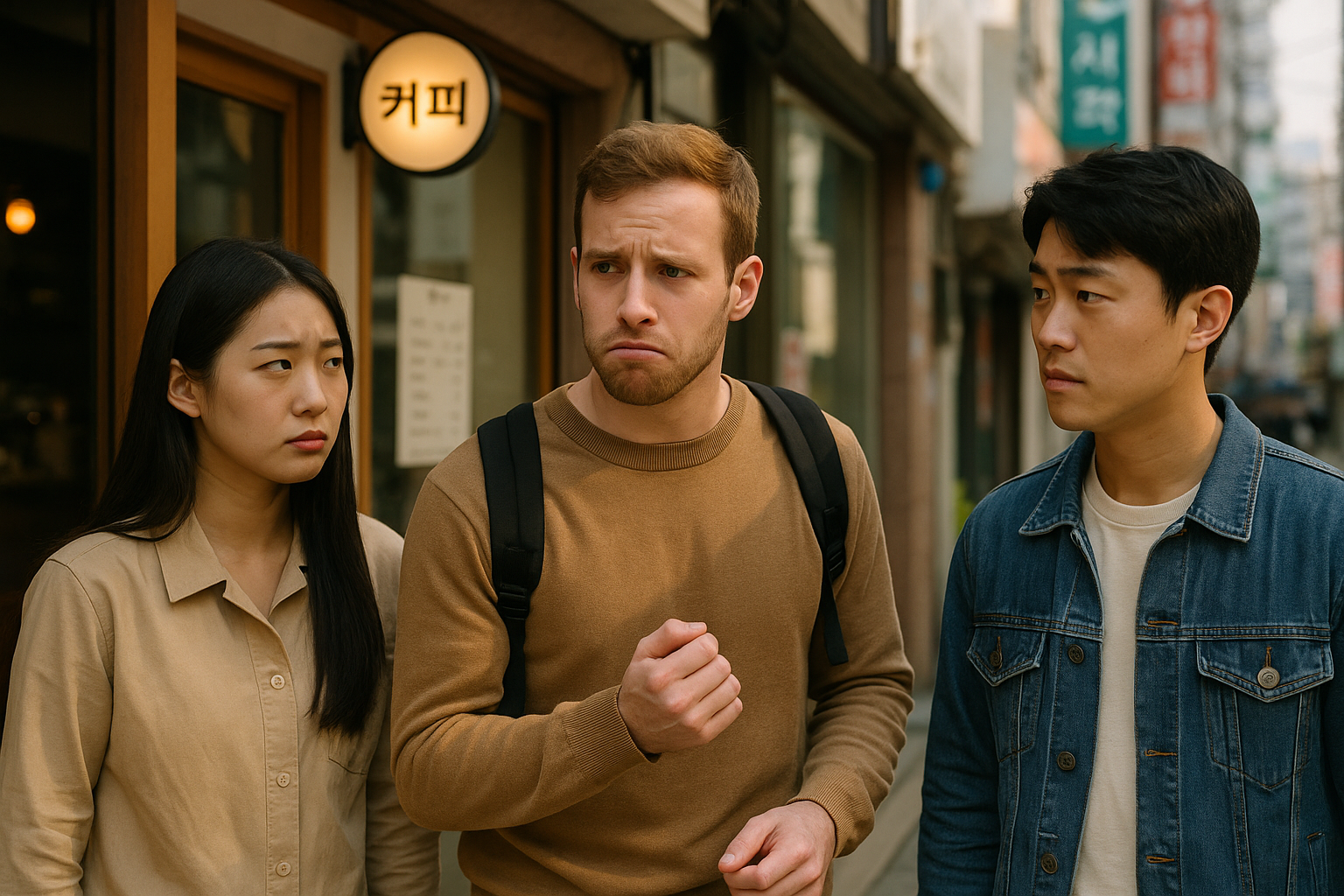
I used to think goshiwons were this ultra-cheap, ramen-fueled last resort for broke students. Turns out, that stereotype aged badly. These days, even the “budget” ones can cost as much as small studios in provincial cities. I went down a weird rabbit hole of Naver listings, YouTube tours, and Reddit threads to figure out what … 더 읽기
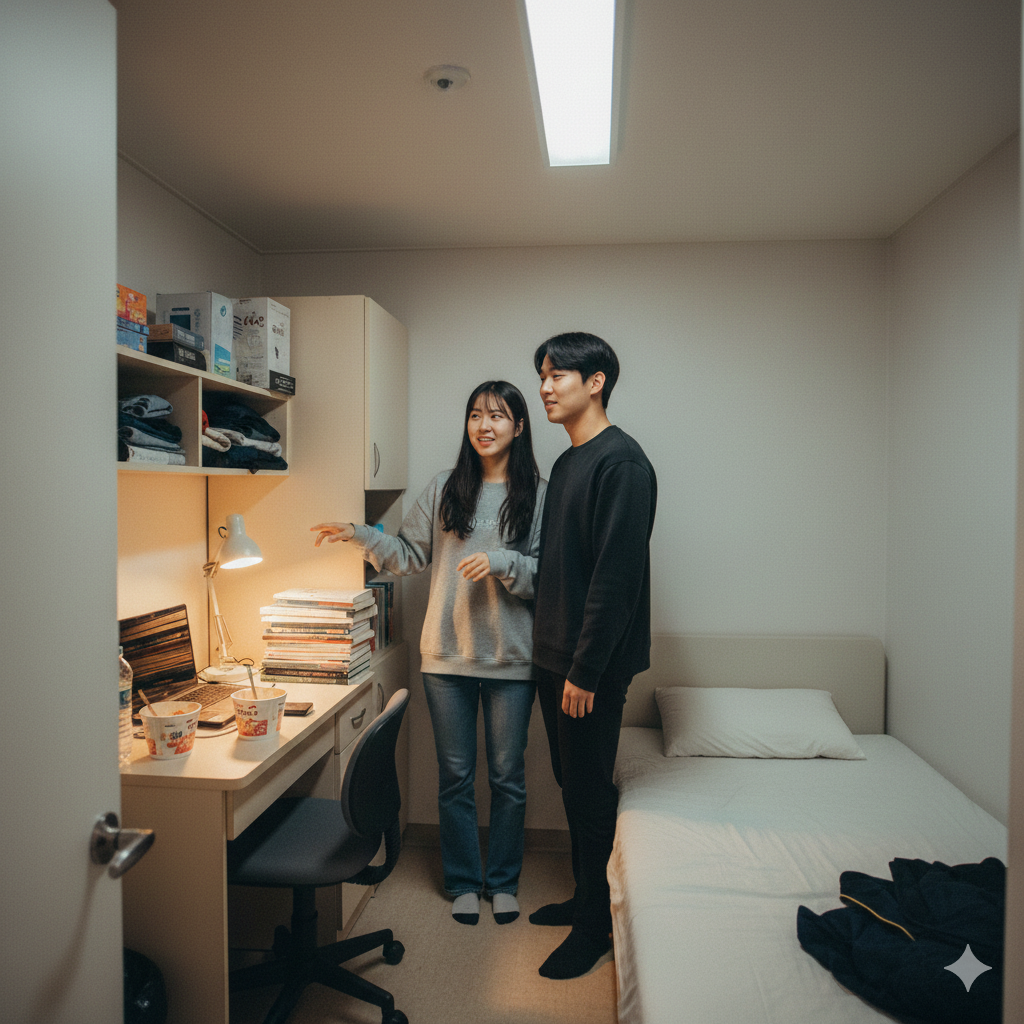

Can Two People Live in a Seoul Goshiwon?

It’s a question that pops up every semester when couples, friends, or budget travelers plan to move to Seoul: can two people actually live together in a goshiwon? I had that exact thought years ago when I first looked at those “tiny room” listings near Sinchon. I imagined squeezing two humans, two suitcases, and maybe … 더 읽기

Hidden Fees in Seoul Goshiwon Prices (and How They Sneak Into Your Bill)

When you see a goshiwon ad that says “₩450,000 — all included,” you’d think that means… everything. It doesn’t. After a few months in Seoul, I realized that goshiwon pricing is a bit of an illusion — like a buffet that charges extra for the plate. The rent looks simple on paper, but small hidden … 더 읽기

Banjiha vs One-Room: Which One Is Better for Long-Term Living in Korea?

Somehow, every Seoul housing conversation ends up at the same question — should you live in a banjiha (semi-basement) or a one-room (studio)? It’s not as simple as it looks on real estate apps. Both have weird charm, hidden costs, and a bunch of myths floating around. I’ve lived in both, talked to people who … 더 읽기

Loft vs Studio in Korea — Which Apartment Type Actually Fits You?

You’ve probably seen those glossy real estate listings: “Modern loft apartment in Seoul with panoramic windows” or “Cozy studio near Hongdae Station.” Both sound good on paper, but if you’re actually planning to live in one, the differences are way more than just stairs and ceilings. Thing is, in South Korea, the loft vs studio … 더 읽기