Korean Two Hand Etiquette — The Small Gesture That Changes Everything
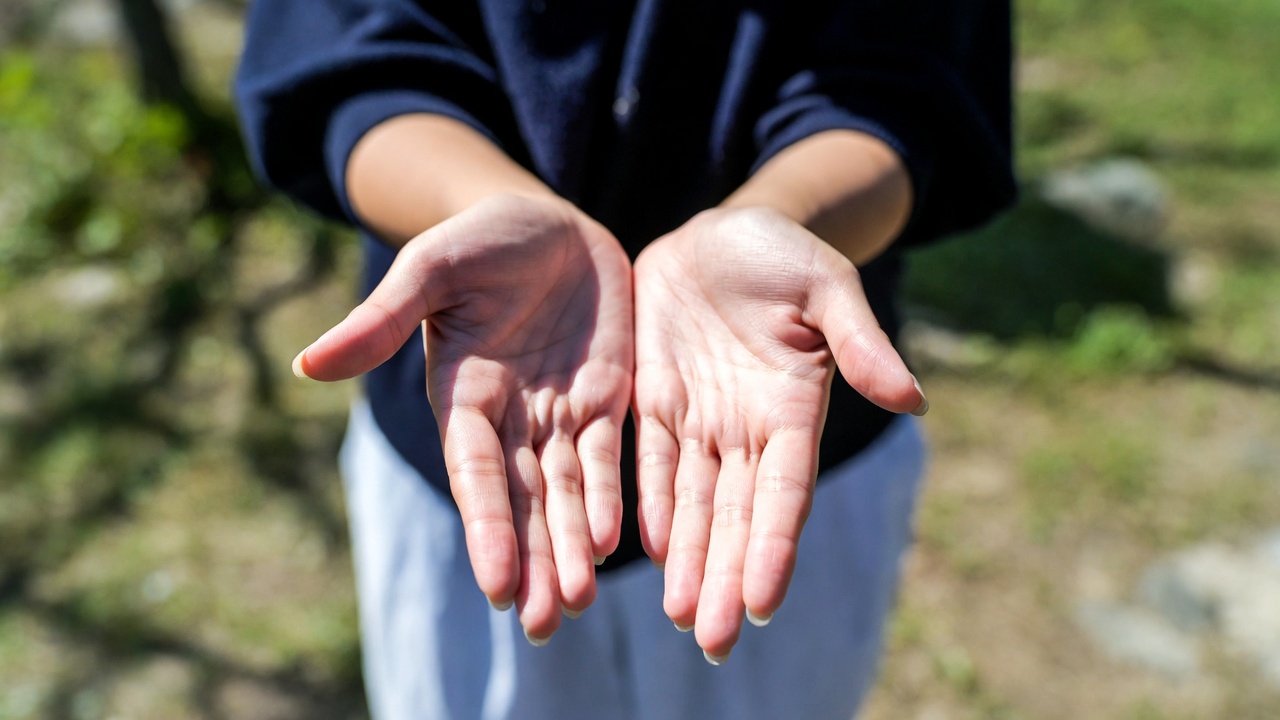
Korean two hand etiquette applies to gifts, business cards, payments, and drinks. Here’s why it matters and how to do it right as a foreigner.
Korean two hand etiquette applies to gifts, business cards, payments, and drinks. Here’s why it matters and how to do it right as a foreigner.

There’s this unspoken rule in Korea: you can get away with being clueless once, maybe twice, but after that, people expect you to get it. Social mistakes aren’t always called out directly — you’ll just notice the air shift, or the smiles tighten. It’s subtle, but you feel it. When I first moved to Seoul, … 더 읽기

The first time I visited Seoul, someone let a heavy glass door slam shut right in my face. Not on purpose — they just didn’t even look back. I remember thinking, “Wow, that was rude.” But a few weeks later, I caught myself doing the exact same thing. It’s not rudeness. It’s culture. And understanding … 더 읽기

Politeness in Korean is deeply tied to social hierarchy, age, and relationship. Understanding speech levels, honorifics, and non-verbal etiquette is essential for effective communication in Korea. 1. Introduction – Why Politeness Matters in Korean Communication Many newcomers to Korea quickly realize that language here reflects social respect. Every sentence carries subtle cues about age, familiarity, … 더 읽기
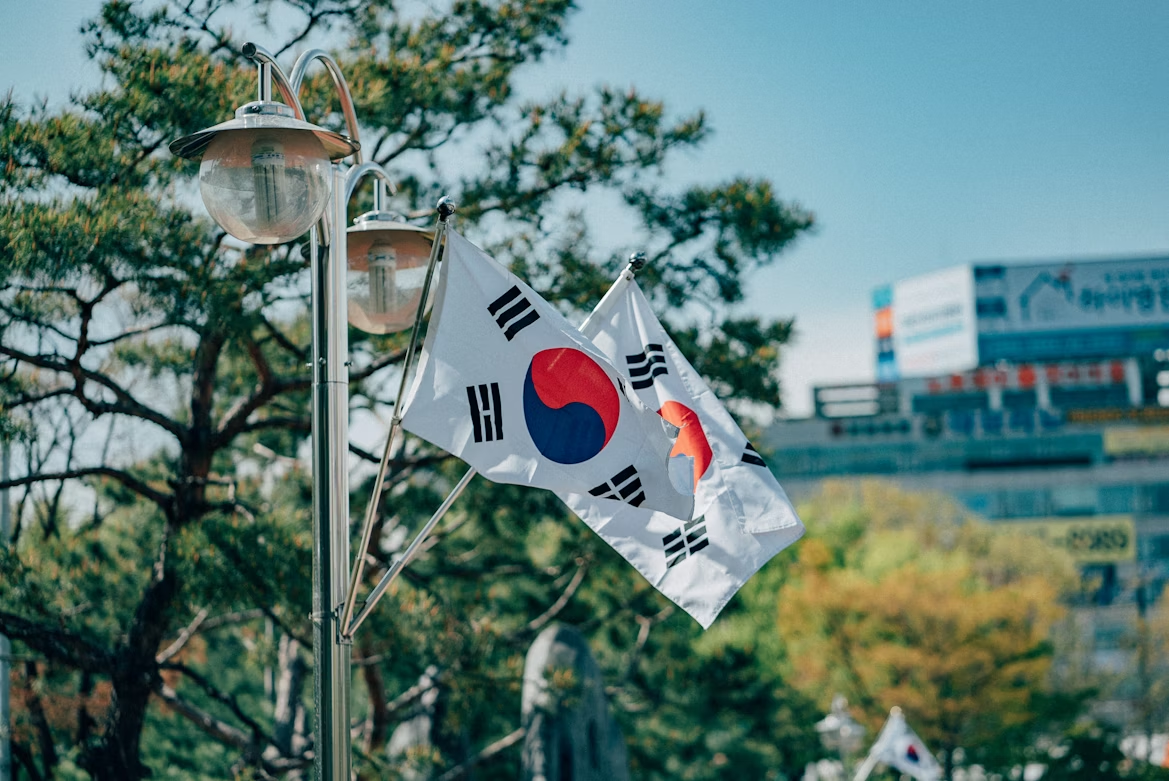
Korean etiquette emphasizes respect, hierarchy, and harmony in social settings. Understanding basic dos and don’ts can help you navigate daily interactions more comfortably and avoid common cultural misunderstandings. 1. Introduction – Why Etiquette Matters in Korea Korea’s social culture is deeply rooted in Confucian values, which prioritize respect for age, hierarchy, and community harmony. For … 더 읽기