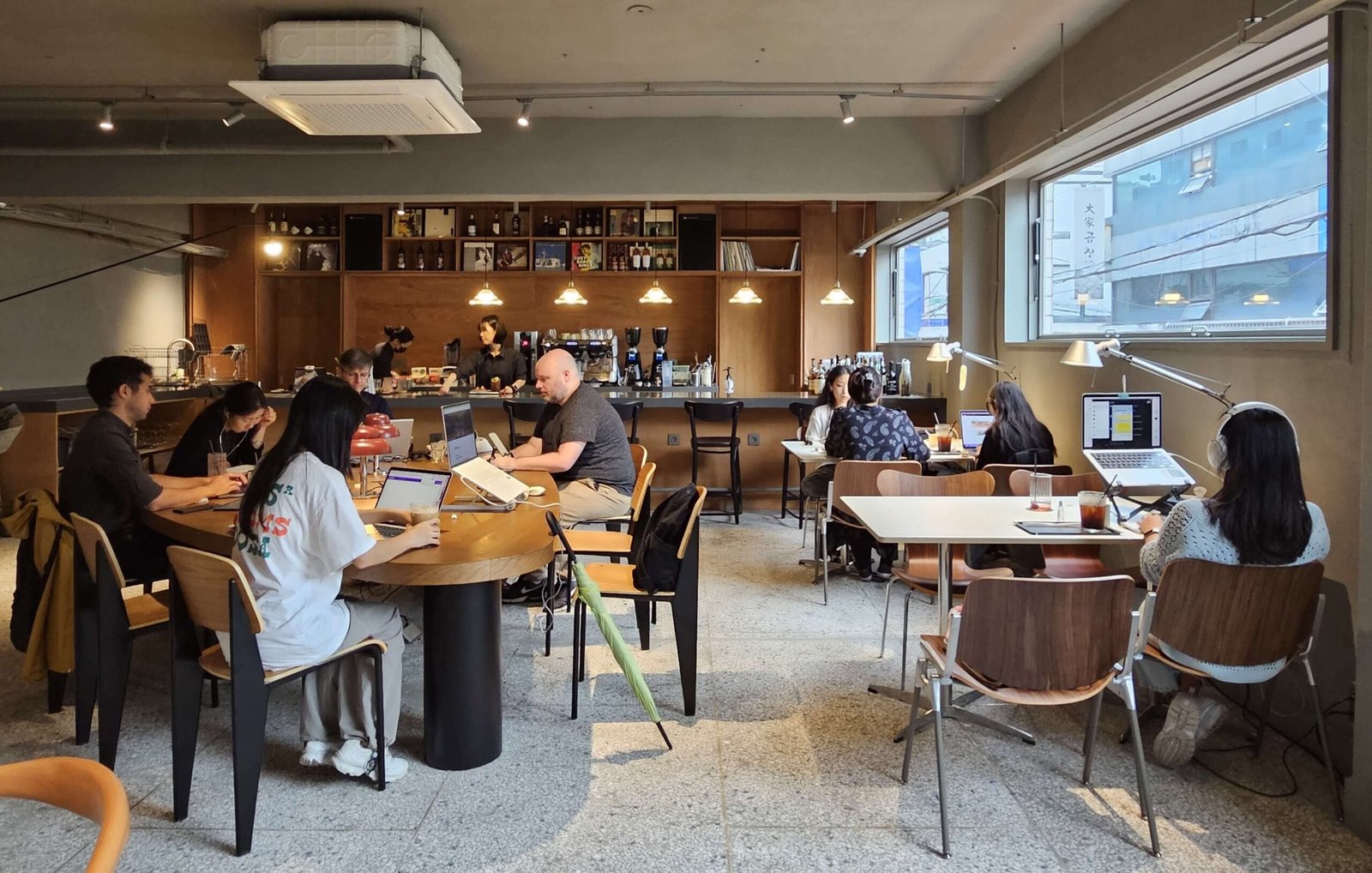
It’s hard not to be curious about South Korea these days — neon-lit cities, fast Wi-Fi, endless cafés, and that perfect mix of tradition and tech. For many remote professionals, it feels like the dream setup for digital nomad life.
But here’s the real question: is the new South Korea digital nomad visa actually worth it?
Sounds tempting, right? Still, many readers have been wondering what it really offers — how to apply, how long it lasts, and whether it’s a better deal than simply staying on a tourist visa. Let’s take a deeper look and uncover the truth behind the buzz.
Why South Korea Is Suddenly on Every Nomad’s Radar
South Korea has quietly become one of Asia’s most appealing work-and-travel destinations. With stable internet, great infrastructure, and a growing global community of remote workers, it’s easy to see why.
Add the safety, culture, and endless things to do — from Jeju Island cafés to Seoul’s late-night coworking hubs — and it starts sounding almost too good to be true. But visa flexibility has always been the missing piece.
Until now.
What Exactly Is the South Korea Digital Nomad Visa?
Introduced in 2024, South Korea’s digital nomad visa allows foreign remote workers to live in the country for up to two years while working for overseas companies.
Here’s the simple breakdown:
- Duration: 1 year (extendable once)
- Eligibility: Must work remotely for a foreign employer
- Income requirement: Around 85 million KRW per year (approx. $65,000 USD)
- Family: Spouses and children can join
- Tax: No Korean income tax if income is foreign-based
It’s designed to attract professionals who want to experience life in Korea without navigating traditional work permits.
How to Apply for the South Korea Digital Nomad Visa
The process is surprisingly straightforward — though it does require thorough documentation.
- Check eligibility — Proof of employment, remote work contract, and income level.
- Prepare documents — Passport, bank statements, health insurance, and criminal background check.
- Apply at a Korean embassy — Currently available in selected countries.
- Wait for approval — Average processing time is about 2–4 weeks.
- Register locally — Within 90 days of arrival, applicants must obtain an Alien Registration Card (ARC).
The Real Pros and Cons Nobody Talks About
Pros:
- Access to world-class cities with modern infrastructure
- Strong public safety and reliable healthcare
- Unique mix of digital convenience and traditional culture
- Visa allows dependent family members
Cons:
- High income threshold excludes many freelancers
- Cost of living in Seoul can be steep
- Limited awareness among local authorities (since it’s new)
- No tax breaks for local income if freelancing with Korean clients
So, while it’s a big step forward, the visa is still geared more toward higher-earning professionals or corporate remote workers.
Is It Better Than Staying on a Tourist Visa?
Many nomads previously relied on 90-day tourist visas, doing short “visa runs” to Japan or Taiwan. The new digital nomad visa removes that hassle entirely.
However, for shorter stays or budget travelers, a tourist visa might still make sense — especially since not everyone meets the income requirements.
In other words, the digital nomad visa is perfect for stability, but not necessarily for spontaneity.
What It Means for the Future of Remote Work in Asia
The introduction of South Korea’s digital nomad visa signals a clear trend: Asia is opening its doors to global talent.
With similar programs in Thailand, Malaysia, and Japan, the region is becoming a true hub for remote professionals. South Korea’s entry into the field adds prestige, structure, and serious tech power to the mix.
FAQ
Q: Can digital nomads work for Korean companies under this visa?
No. The visa is only for remote work with foreign employers.
Q: What happens after the two-year limit?
Holders must exit Korea but can reapply later or switch to another visa type.
Q: Is there a minimum stay requirement?
Not officially, but long-term residence (over 6 months) may impact tax considerations.
Q: Can freelancers apply?
Yes, if they can prove consistent foreign income above the required threshold.
Conclusion
The South Korea digital nomad visa is an exciting leap forward — modern, flexible, and designed for a generation that works from anywhere.
Still, it’s not a one-size-fits-all solution. Those earning stable foreign income and craving cultural depth will find it a gem. Others may prefer the simplicity of short-term stays.
Either way, it’s a signal that South Korea is ready to welcome the world’s digital wanderers — one laptop at a time.