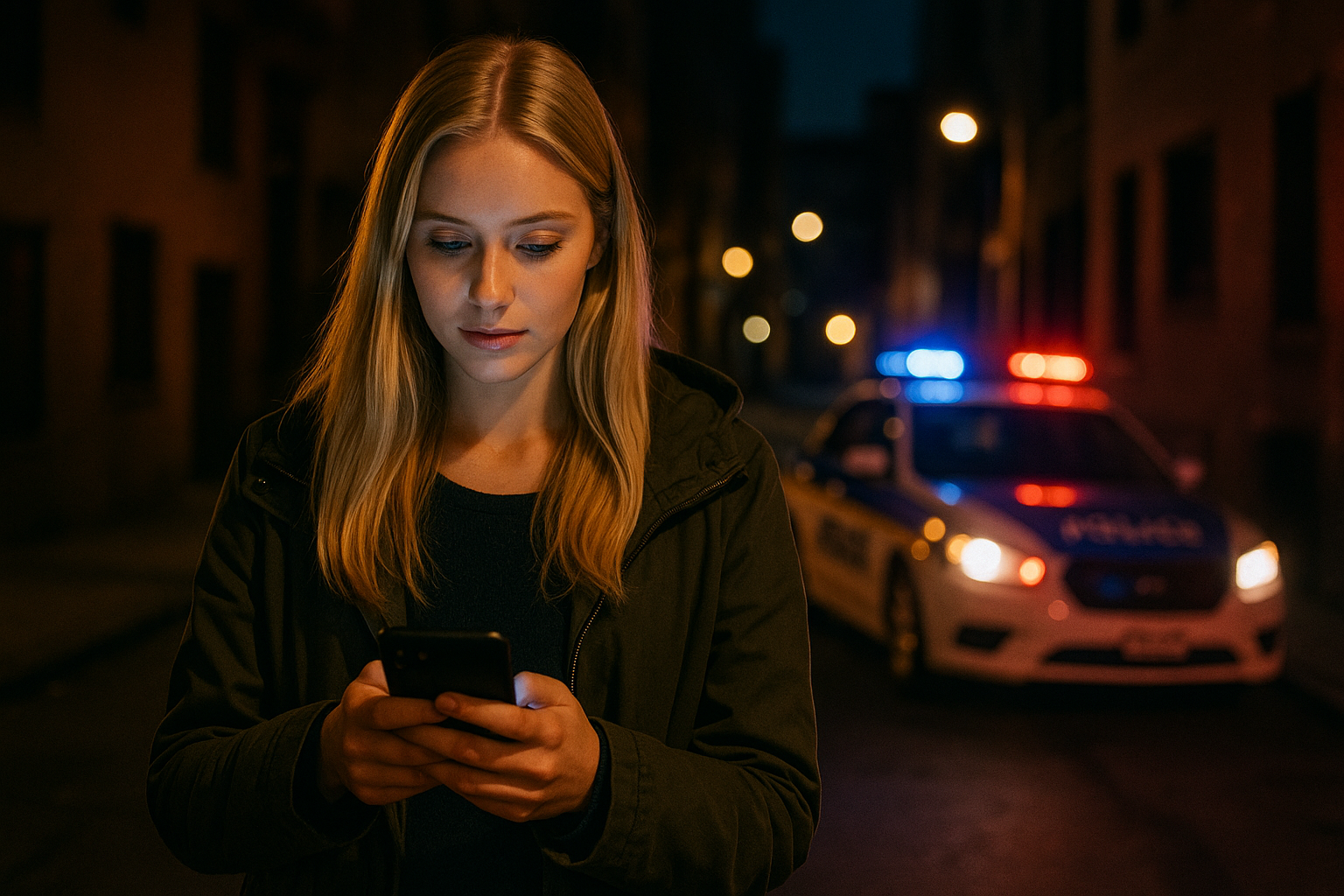
People love calling South Korea one of the safest countries in the world. Mostly true, yeah. But not the whole story.
You’ll see these stats everywhere that make it sound like nothing bad ever happens here. That’s not real life though. Walk around Seoul at two in the morning and you’ll probably be fine. Probably. Doesn’t mean everything’s perfect. Read this police report once that said pickpocketing dropped but online scams went crazy. Safety here has layers.
Koreans define “crime” differently than foreigners might expect. What’s considered dangerous in one country? Might just be a “mild inconvenience” here. Physical safety — Korea absolutely nails that part. Social or digital safety though? Gets way murkier.
Physical Safety: What It’s Actually Like on the Streets
Picture this. Seoul alley, midnight, lights still on. People eating late-night snacks. Couples having quiet arguments on benches. That tells you something right there.
Street crime is ridiculously low compared to most places. Women walk alone at night without panic. Students go out late for fried chicken. You can leave your laptop on a café table for a bathroom break and nobody touches it. Left my wallet in a GS25 once by complete accident. Came back twenty minutes later. Still sitting on the counter. Cashier didn’t even react like it was weird.
But don’t mistake low crime for zero danger. Occasional assaults happen, especially nightlife districts like Itaewon or Hongdae. Alcohol plays a big role — public drunkenness isn’t exactly frowned upon here. Sometimes things get rowdy. Police reports from the National Crime Agency show most violent incidents involve drinking. Not shocking honestly.
In smaller cities it’s even quieter. Daejeon, Gwangju, Jeju. Locals watch out for each other. Pace feels safer somehow. Biggest “crime” might be someone double-parking for an hour. Not even joking.
The CCTV Situation
Ever wonder why it feels so safe? Part of the answer is cameras. Everywhere.
Korea has over a million CCTV units installed nationwide. Every street corner. Inside apartment complexes. Even on buses. It’s borderline dystopian if you think about it too hard. But it works. Crimes get solved fast because of footage. Privacy though? Different story entirely.
Online Scams and Cybercrime: The Actual Modern Threat
Here’s the irony. Most common crimes now don’t happen on streets. They happen on your phone.
Phishing scams, fake job offers, crypto frauds. All weirdly frequent. Couldn’t confirm exact numbers but estimates suggest online scams cost Koreans billions of won yearly. Billions.
Big one lately is “voice phishing.” Scammers pretend they’re from banks or police. Convince victims to transfer money “for verification purposes.” Elderly people fall for it most often, but tech-savvy folks get caught too. My friend’s aunt lost eight million won to a fake loan company. Police somehow recovered half. Still.
Then there’s privacy leaks. Hidden cameras — 몰카 — persistent issue in Korea. Especially women’s restrooms and motels. It’s gotten better thanks to crackdowns. But the fear lingers. A 2023 survey showed over seventy percent of women felt anxious about being filmed without consent. That number hit me.
So yeah. Korea’s streets are safe. Your inbox? Maybe not so much.
Gender and Safety: Complicated Territory
Tricky subject. On one hand women can walk freely at night. Something rare in many countries. On the other hand digital harassment scene is very real. Secret filming, revenge porn, stalking through social media. These are the darker sides of Korean modernity nobody really wants to talk about.
The “Nth Room” case in 2020 woke the country up hard. Thousands of victims, some underage. Coerced into sharing explicit videos. Led to new cyber laws and digital sex crime units in police departments. But enforcement still struggles keeping up with tech. Always playing catch-up.
At the same time street-level catcalling is way less common than the West. Most men don’t approach strangers. Social etiquette leans heavily toward personal space. There’s this underlying sense of public decency that helps. Had female friends tell me they feel safer in Seoul than Los Angeles or London. Even though they’re more aware of online threats here. Weird balance.
Police and Justice: Fast but Not Perfect
Korean police are quick. Call 112, they show up. Sometimes within minutes. They’re polite. Sometimes overly formal actually.
But their response to certain crimes — domestic violence, stalking — has been criticized as too passive. Famous case in 2022 where a woman got murdered by her stalker outside her workplace. After reporting him multiple times. That one incident triggered a national debate about protective measures. Changed some policies I think.
Prosecution is tough here. Conviction rates are high. But sentencing can feel inconsistent. Petty theft might get you jail time. Corporate fraud? Probation. The system’s efficient but not always emotionally satisfying for victims.
That said Korea’s legal follow-up for digital crimes is improving. They’ve started using AI-based tracking systems to find cybercriminals faster. Still, lots of victims never see full justice. Especially online fraud cases where money vanishes abroad immediately.
Regional Differences: Seoul vs. Everywhere Else
Interesting thing. Safest cities aren’t necessarily the smallest ones.
Seoul despite its chaos has heavy surveillance and police density. Busan’s crime rate is slightly higher statistically. Mostly nightlife incidents near Haeundae and Seomyeon. Daejeon and Ulsan though? Report lower crime per capita than most mid-sized global cities. Way lower.
Jeju’s an odd case. Touristy but still calm. Crimes there are mostly petty stuff. Bicycle thefts, drunk driving, occasional tourist scuffle. Read a Reddit thread once about someone losing their wallet in Jeju. A fisherman mailed it back to Seoul with all the cash still inside. That kind of sums up Korean morality honestly.
Foreigners and Crime Perception
Strange duality here. Foreigners are statistically less likely to be victims of violent crime. But more likely to get involved in minor police misunderstandings. Noise complaints. Visa issues. Bar fights that get blown out of proportion.
Police generally treat foreigners decently. Language barriers complicate things though. Some foreigners think Korea’s “too safe” — meaning sterile, hyper-monitored, overly cautious. But if you’ve ever lived somewhere with actual street danger you start appreciating the predictability here. Different perspective.
Safety Culture: How Koreans Actually See It
Ask a Korean if their country is safe. They’ll probably shrug. Say “mostly, yes” in that noncommittal way.
There’s this collective assumption of trust. Kids go to hagwon late at night. Delivery drivers leave packages outside doors. Lost phones get returned to police stations. It’s assumed someone will do the right thing.
But anxiety’s growing. Digital anxiety especially. There’s an entire TV show genre now — “crime re-enactment” documentaries — that fuel public fear even though crime rates are historically low. It’s weird. Like the safer Korea gets the more it worries about safety.
Maybe that’s just modern life everywhere though.
So… Is South Korea Really Safe?
Yes. And no.
Physically? Absolutely yes. Socially and digitally? Complicated. You can walk freely at three a.m. eating tteokbokki. But your data isn’t as safe. The line between public safety and privacy intrusion blurs more every year. Gets blurrier.
Korea’s a place where safety feels real but fragile. Like something constantly being maintained rather than guaranteed. And maybe that’s the actual point. People care enough to keep it that way. Active effort, not passive state.
FAQ
Is South Korea safe for solo female travelers? Generally yes, safer than most countries. Just stay cautious in nightlife areas late night.
What’s the most common crime in Korea? Online scams by a long shot. Not even close.
Are foreigners targeted by criminals? Not really. Mostly treated the same as locals. Sometimes better actually.
Can I walk around Seoul at night? Totally. You’ll see people jogging or buying snacks at two a.m. Normal stuff.
Do police speak English? Some do especially in tourist zones. Otherwise use Papago or the 1330 help line works well.
Is North Korea a safety issue for daily life? No. Most Koreans don’t even think about it honestly.
Why does everyone talk about CCTV? Because it’s literally everywhere. Part of why crime stays so low. Trade-off.
Weird question but are scams more common than thefts? Yeah way more. It’s a modern trade-off. Physical safety went up, digital safety went down.