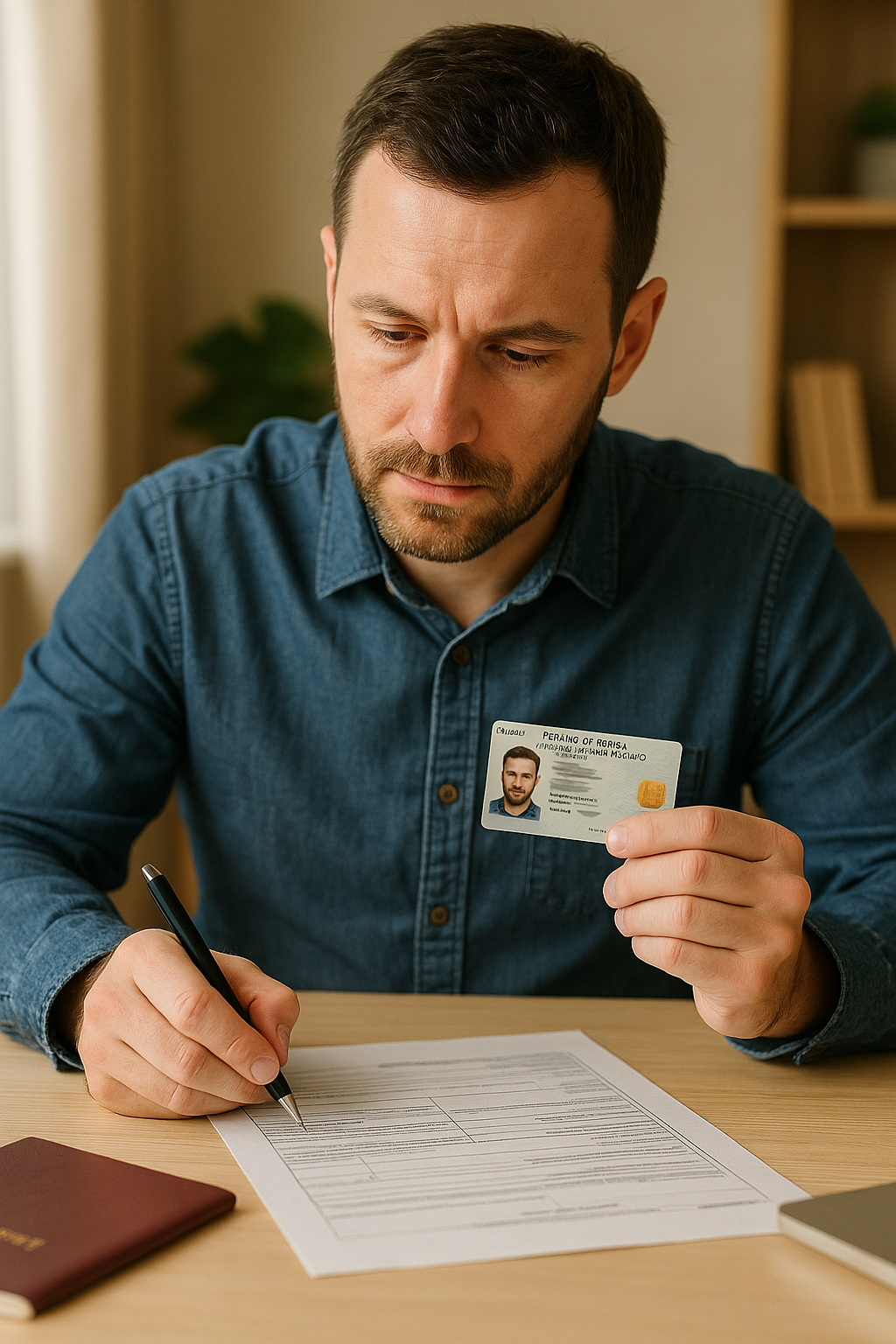
The Alien Registration Card — ARC for short — is the golden ticket for living legally in Korea. It’s what proves you exist in the immigration system, and almost every part of daily life depends on it: banking, housing, SIM cards, even online purchases sometimes. But here’s the tricky part most people don’t realize: when your visa changes, your ARC doesn’t magically update itself. You have to renew or reissue it manually — and if you don’t, it can cause bigger headaches than you’d think.
What Happens When Your Visa Status Changes
Let’s start with what counts as a “visa change.”
If you’ve:
- Switched from D-2 (student) to E-7 (work)
- Moved from D-10 (job seeker) to E-series
- Changed from E-2 (teaching) to F-6 (marriage)
- Even just extended your stay under the same visa type
—all those scenarios require an update to your ARC.
The Korean immigration system treats your visa status (체류자격) and your registration card (외국인등록증) as two separate but connected databases. When your visa status changes, the immigration office needs to link your new visa data to your ARC number. If you skip this, your ARC technically becomes outdated — meaning, you might appear “unregistered” in systems like bank KYC checks or employer records.
Also, by law, you’re required to report any visa change within 14 days of approval. Miss that window, and you could face a fine (usually ₩100,000–₩200,000, but it can go higher for repeat cases).
When You Actually Need a New ARC vs Just an Update
Not every visa change means you get a brand-new card. Here’s the breakdown:
- Visa status change (e.g., D-2 → E-7): You’ll need a new ARC, since your visa code changes.
- Visa extension (e.g., D-2 to D-2 for more semesters): You just extend the validity; same card.
- Personal info change (address, employer, passport): You report it but don’t get a new ARC unless the printed details must be updated.
- Residency visa (F-series) upgrades: Usually a new ARC is issued with a new expiration date.
Thing is, even when not strictly required, many people choose to renew because some institutions — banks, employers, landlords — prefer having the latest version showing your updated visa type.
Step-by-Step Guide to Renewing Your ARC After Visa Change
Step 1. Gather the Right Documents
You’ll need:
- Passport (valid and not damaged)
- Current ARC
- Application form (download from HiKorea or pick up at the office)
- One passport photo (3.5 x 4.5 cm, white background)
- Proof of new visa status (the approval stamp or certificate from immigration)
- Application fee (₩30,000, payable via revenue stamps)
Optional but often helpful:
- Employment contract (if switching to work visa)
- Certificate of business registration (사업자등록증) for your employer
- Residence contract (for address confirmation)
Step 2. Book an Appointment via HiKorea
Go to HiKorea.go.kr and make a “visit reservation (방문예약)”. Select your local immigration office based on your address.
Without an appointment, walk-ins are usually rejected (except at small branch offices). During busy seasons — like February–March or August–September — it’s smart to book 2–3 weeks ahead.
Step 3. Visit the Immigration Office
Arrive early. Bring your documents and payment ready. The officer will check your visa status, collect your old ARC, and process the new one.
You’ll get a receipt (영수증) — hold onto it. It acts as your temporary ID while your new ARC is being printed (which usually takes 2–3 weeks).
If your visa change also involved a new employer, make sure to complete your workplace registration (근무처 변경 신고) at the same visit. Many forget this step, and it causes renewal delays later.
Step 4. Pick Up or Receive Your New ARC
Immigration offices don’t mail ARCs anymore in most regions. You’ll either:
- Pick it up in person (check your receipt for the date), or
- Get notified via text when it’s ready for collection.
Some offices allow designated proxy pickup, but only with pre-authorization.
Common Mistakes People Make (and Pay Fines For)
- Forgetting the 14-day rule.
Immigration takes this seriously. Even one day late can technically trigger a fine, though they sometimes forgive short delays with a valid excuse. - Wrong immigration office.
You must go to the office that governs your registered residential address. Not the one near your workplace. - Missing employer change report.
If your visa change involved a new company, you must separately register your new employer within 15 days. - Expired ARC renewal.
You can’t renew an expired card. You must re-register as a new foreign resident — a longer process with extra documents. - No translated documents.
Any document in English (contracts, certificates) should have a Korean translation attached. Officers might reject otherwise.
How ARC Renewal Affects Daily Life
This part’s underrated. Once your visa changes but your ARC still shows the old type, digital systems don’t sync properly. That leads to strange glitches:
- Banks may freeze foreign-currency accounts due to mismatched visa info.
- Employers may not be able to register you for tax or pension.
- Mobile carriers sometimes refuse plan renewals because your visa category doesn’t match their database.
I’ve even heard of people getting blocked from opening KakaoBank accounts after a visa change because their ARC hadn’t been updated in time.
So even though it feels like minor bureaucracy, it’s worth doing immediately.
How Long It Takes
Typical processing time: 2–3 weeks, but it varies by region.
Smaller cities like Daejeon or Gwangju are faster; Seoul offices (Mokdong, Omokgyo, Seoul Southern) can take a month during peak periods.
If you need your ARC urgently (say for a new job contract), explain your situation politely at the desk — officers occasionally mark it for expedited processing.
Can You Still Travel While Waiting?
Technically yes, but you’ll need your receipt and valid visa. Airlines and border control will recognize the temporary proof from immigration. Just double-check that your passport stamp or visa expiration date covers your return period.
If you plan to leave for longer, consider completing ARC renewal after returning, since holding two pending records (departure + ARC renewal) sometimes causes database confusion.
If You Lose Your ARC During the Process
Bad luck, but it happens. Report it immediately and file for reissuance (재발급) at immigration. Bring a police loss report and passport. Losing it mid-renewal won’t affect your visa, but you’ll have to restart the ARC production queue.
Practical Timeline Example
Say you switched from D-2 to E-7 on March 10.
- You must apply for ARC renewal by March 24 (within 14 days).
- Appointment slot booked around March 15.
- Immigration visit on March 20.
- Card ready around April 5–10.
That’s your sweet spot for avoiding fines and keeping everything synced across institutions.
FAQ Section
Do I need to renew my ARC every time I extend my visa?
No, only when your visa type changes or a major detail (like name or passport) is updated.
Can I apply online for ARC renewal?
Not yet. You must visit the immigration office in person.
What happens if I miss the 14-day update rule?
You might pay a fine (₩100,000–₩300,000). Pay it promptly — it won’t affect your future visas if resolved.
Can I keep working while waiting for my new ARC?
Yes, your receipt serves as proof of legal stay.
Does changing visa automatically extend my ARC validity?
No. The ARC expiry date follows your visa validity.
Can I renew my ARC in a different city?
Only if you’ve updated your residential address officially first.
Do I need new fingerprints?
Not unless your old ones were never registered in the immigration system.
Can I update address and visa change at once?
Yes, do both during the same appointment — just bring your new lease contract.
Can I get fined if my employer forgot to report my visa change?
Yes. The responsibility is on you, not them.
What’s the ARC renewal fee?
₩30,000, paid by revenue stamp.