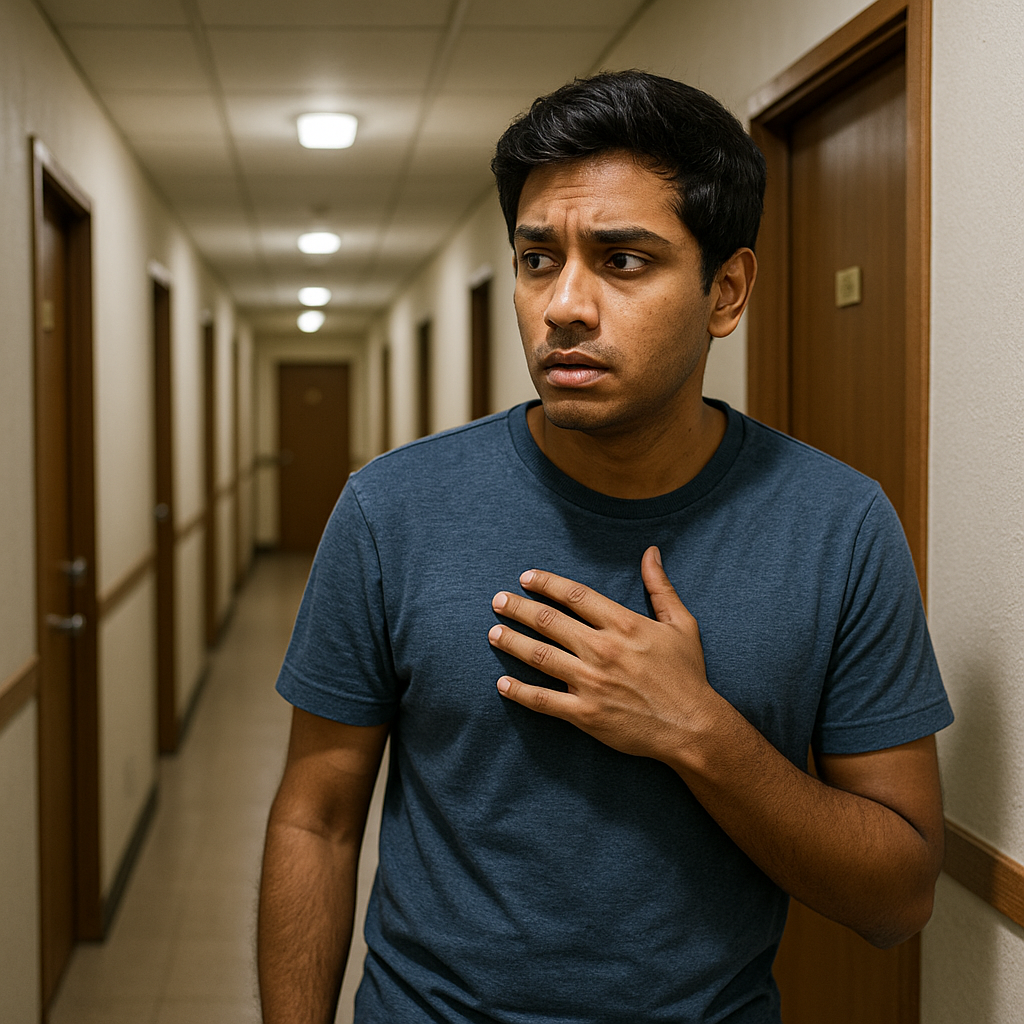
You see the word goshiwon a lot if you browse Korean housing listings — especially as a foreigner trying to find a cheap place fast. They’re small, sometimes ridiculously so, but they’re everywhere near universities and subway stations. The big question, though, isn’t just about space or comfort. It’s safety. And that’s a bit complicated.
What a Goshiwon Actually Is (and Isn’t)
A lot of newcomers think a goshiwon is like a hostel. Not quite. It’s more like a row of tiny rooms stacked side by side inside a converted building. Originally, these were made for students preparing for government exams (goshi = exam). But over time, they became a go-to for broke students, workers in transition, and foreigners who just arrived with a suitcase.
The structure varies. Some rooms are barely big enough to stretch your arms. Others have a small window, a desk, and a private bathroom — luxury, relatively speaking. Monthly rent ranges from ₩300,000 to ₩600,000 depending on area.
Thing is, you don’t sign a traditional lease. You pay month-to-month, sometimes even weekly. That flexibility is what makes them attractive to foreigners who don’t have a Korean guarantor or don’t want to deal with real estate agencies.
But this informal setup also means less regulation and fewer safety checks.
The Fire Safety Problem Nobody Mentions
Let’s be blunt. Fire safety in goshiwons has been a national concern for years. The 2018 Jongno fire killed seven people — mostly laborers — and exposed how many goshiwons lack proper exits or sprinklers.
After that tragedy, regulations tightened, and newer goshiwons must have fire doors, alarms, and extinguishers. But “newer” is the key word. A lot of older buildings never got full upgrades. Some still have narrow hallways that barely fit one person at a time.
I once stayed in a goshiwon near Sinchon where the fire exit was… a window. The manager called it “an alternate route.” So, yeah, safety depends heavily on where you stay. Always check for a visible extinguisher, sprinklers on the ceiling, and a clear escape map near your door. It sounds obvious, but a lot of people skip this step because they assume “it’s Korea, it must be safe.”
Goshiwons are notorious for thin walls. You’ll know your neighbor’s ringtone and bedtime habits within two days. For most foreigners, it’s more awkward than dangerous, but occasionally, you’ll hear stories of sketchy neighbors peeking through kitchen doors or following people to their rooms.
Most buildings have CCTV in common areas, and you’ll need a keypad code to enter the main door. However, individual rooms often use simple mechanical locks — the kind you could open with a coin if you tried hard enough. Not ideal.
Some managers are responsive and care about residents’ safety; others are ghosts who show up once a month to collect rent. If you’re a solo traveler or a woman living alone, it’s worth asking whether the building has separate floors or female-only wings. Those exist, especially near Ewha or Hongdae, but they fill up fast.
Goshiwons attract a wild mix of people. Students, temporary workers, retirees, foreigners on short visas, sometimes even people in-between jobs who can’t afford deposits. It’s not dangerous, per se, but it means the turnover is high. You’ll see new faces every week, which can feel unstable.
A friend of mine from Canada stayed in a goshiwon in Gangnam for six months. She said it was fine — small but fine — until one neighbor started knocking on doors late at night asking for cigarettes. The manager handled it quickly, but it shook her sense of security. That’s kind of the goshiwon experience in a nutshell: 90% quiet, 10% random chaos.
How Foreigners Perceive “Safety” Differently
There’s cultural context here. In most Western countries, cheap housing usually equals higher crime risk. In Korea, violent crime rates are low overall, even in low-cost housing. So a goshiwon isn’t inherently unsafe the way a run-down motel might be in another country.
Still, safety isn’t just about crime. It’s about personal comfort — whether you can sleep without worrying about who’s walking past your door. Most goshiwons feel safe enough once you get used to the environment, but the lack of space and privacy can take a mental toll. Some foreigners describe it as “living in a box.” And that’s not far off.
Tips If You’re Considering a Goshiwon
Here’s what I wish someone told me early on:
- Visit before paying. Photos lie. Some goshiwons use stock images.
- Check for ventilation. Mold grows fast in windowless rooms.
- Ask about curfews. Some older ones lock main doors after midnight.
- Look for the fire certificate (소방점검필증). It’s often framed near the entrance.
- Avoid the basement floor. It’s cheaper for a reason — humidity and no escape routes.
- Female travelers: search for “여성전용 고시원” (women-only goshiwon).
Actually, the biggest safety risk isn’t crime or fire — it’s fatigue. Many foreigners move out after a few months simply because the rooms feel claustrophobic. It’s hard to stay sane when your “home” is barely wider than your bed.
The Upside: Budget, Freedom, and Zero Paperwork
To be fair, goshiwons solve a major problem for foreigners: housing access. No deposit, no Korean co-signer, no real estate office judging your visa type. You can literally move in the same day you find one. That kind of freedom doesn’t exist in regular rentals.
And some new premium goshiwons (study cafes with rooms, basically) are clean, secure, and surprisingly cozy. They’re pricier but still cheaper than one-room apartments. If you find one near a university hub, safety and cleanliness tend to be higher.
So yes — living in a goshiwon can be safe. But it’s not automatically so. It’s safe enough for a few months, maybe a year, if you pick carefully and trust your instincts. Beyond that, the lack of space and privacy becomes the real issue.
FAQ
Are goshiwons safe for solo female travelers?
Mostly yes, but choose one with CCTV, keypad access, and ideally a women-only floor.
Can I stay long-term (1 year or more)?
Technically yes, but mentally it’s tough. The small space wears you down over time.
Do goshiwons have curfews?
Some old ones do. Newer ones usually don’t, but always ask.
How can I tell if a goshiwon is legal or safe?
Check for fire inspection certificates near the entrance or ask the manager directly.
What happens if I lose my key?
They’ll replace it, usually for a ₩10,000–₩20,000 fee.
Is it noisy?
Yes. Paper-thin walls. Bring earplugs.
Weird question — do couples live in goshiwons?
Not officially. Some try, but it’s awkward and most managers don’t allow it.