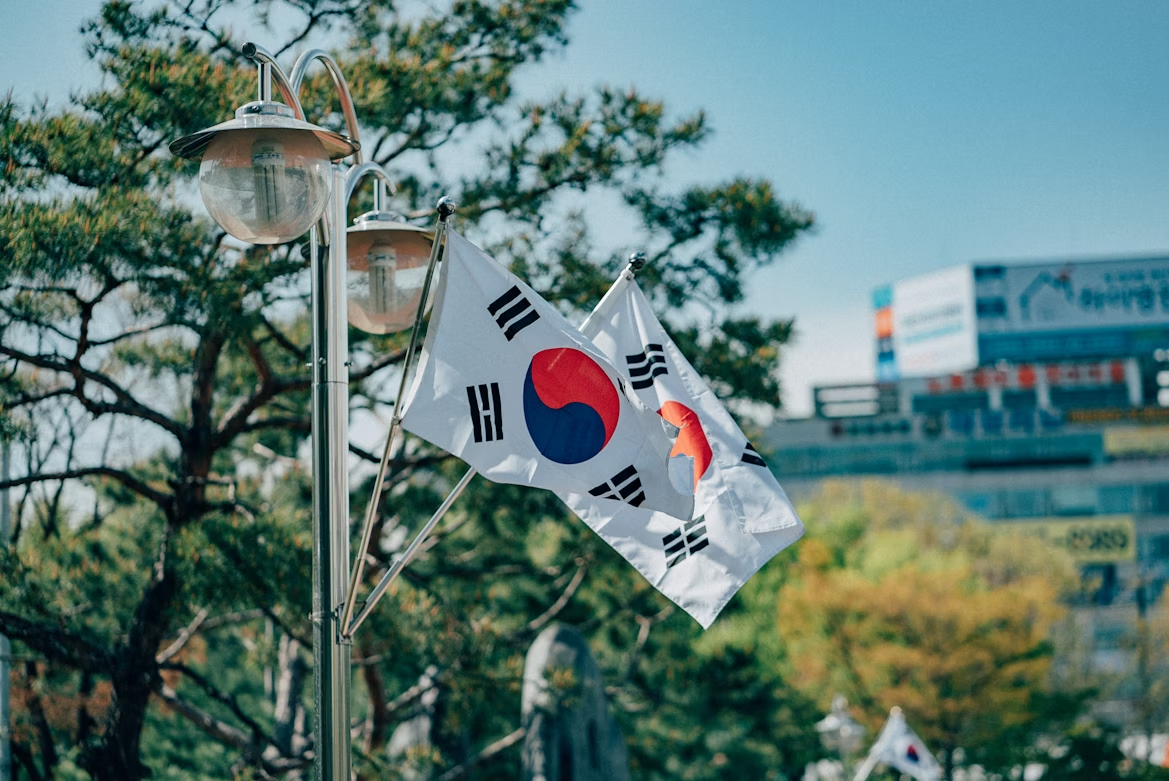
Korean etiquette emphasizes respect, hierarchy, and harmony in social settings. Understanding basic dos and don’ts can help you navigate daily interactions more comfortably and avoid common cultural misunderstandings.
1. Introduction – Why Etiquette Matters in Korea
Korea’s social culture is deeply rooted in Confucian values, which prioritize respect for age, hierarchy, and community harmony. For foreigners living, studying, or working in Korea, understanding these unspoken cultural norms is essential for building good relationships and avoiding awkward moments.
While most Koreans are understanding toward non-native residents, showing awareness of local customs is often seen as a sign of respect. A simple bow, polite speech, or thoughtful gesture can go a long way in daily interactions.
Greeting and First Impressions
- Bowing: A slight bow is the most common greeting in Korea. The deeper the bow, the greater the respect. Shaking hands is also common, but it’s often done with both hands or with the left hand supporting the right wrist—a gesture of politeness.
- Titles and Names: Koreans rarely use first names unless they are close friends. Address people by their title + last name (e.g., “Kim Seonsaengnim” for “Teacher Kim”). Using only a first name can feel too casual.
- Eye Contact: Moderate eye contact shows attentiveness, but staring directly into someone’s eyes for too long can feel confrontational, especially with elders or superiors.
Giving and Receiving
When handing over something—money, a business card, or a gift—always use both hands. If your other hand is occupied, touch your right arm lightly with your left hand to show respect.
Likewise, when receiving something from another person, accept it with both hands. This small gesture demonstrates appreciation and politeness.
3. Dining Etiquette – At the Table
Dining in Korea is both a social and cultural experience. Many foreigners find Korean meals warm and communal, but there are specific rules to observe at the table.
Before Eating
- Wait for the eldest person to start eating first. It’s customary to follow their lead.
- Say “잘 먹겠습니다 (jal meokgetseumnida)”, meaning “I’ll eat well,” before starting your meal.
- Avoid sticking your chopsticks upright in a bowl of rice—it resembles a funeral ritual.
During the Meal
- Sharing is common, but don’t take food directly from shared dishes with your personal chopsticks. Use the serving utensils if provided.
- When drinking alcohol, turn slightly away from elders and cover your mouth while sipping. It’s a gesture of humility.
- Refill others’ glasses, especially those of older people, before refilling your own.
After the Meal
- Say “잘 먹었습니다 (jal meogeotseumnida)”, meaning “I ate well,” as a polite way to thank your host or companions.
- Don’t rush to leave the table before everyone is finished; wait for the eldest to signal that the meal has ended.
4. Public Manners and Daily Customs
On Public Transportation
- Keep noise levels low. Loud conversations or phone calls are discouraged.
- Priority seats (usually in pink or orange) are reserved for the elderly, pregnant women, or people with disabilities—even if the train is crowded.
- Offer your seat to someone who looks like they need it. This simple act is highly appreciated.
At Work or School
- Punctuality is important. Arriving late to meetings or classes is seen as disrespectful.
- Hierarchy influences communication. Juniors often speak politely and avoid contradicting seniors directly.
- Bring small gifts or snacks when joining a new team or returning from a trip. It’s a common gesture of goodwill known as “정 (jeong)”, meaning warmth or affection.
Visiting Homes
- Always remove your shoes before entering a Korean home.
- It’s polite to bring a small gift, such as fruit, snacks, or household items, when visiting someone for the first time.
- Wait for your host to show you where to sit, especially if the household includes older family members.
5. What to Avoid – Common Cultural Mistakes
1. Ignoring Age or Status Differences
Korean society values hierarchy. Using informal language (반말, banmal) with someone older or in a higher position can be offensive unless you are invited to do so.
2. Being Too Direct
Western communication styles tend to favor directness, but in Korea, indirect expressions are often preferred to maintain harmony. For example, instead of saying “No,” people may say “It might be difficult” or “I’ll think about it.”
3. Handling Money or Cards with One Hand
Passing or receiving items—especially money—with one hand can seem careless or impolite. Always use both hands or support one arm with the other.
4. Showing Public Affection
Public displays of affection are generally modest in Korea. While holding hands is fine, kissing or hugging in public may draw unwanted attention.
5. Writing Names in Red Ink
Traditionally, writing someone’s name in red symbolizes death or bad luck. Use black or blue ink instead.
6. Modern Shifts in Etiquette
Korean etiquette continues to evolve. Younger generations are more relaxed with traditional rules, especially in urban areas. English greetings, casual speech among peers, and Western-style dining are becoming common.
However, core values such as respect for elders, modest behavior, and social harmony remain strong. Foreigners who show even basic awareness of these customs often receive warm appreciation from locals.
Many Koreans will say, “It’s okay, you’re a foreigner,” but your effort to follow local manners will not go unnoticed.
7. FAQ
1. Is bowing necessary every time I greet someone?
A small bow is appreciated, especially in formal settings or when meeting someone older. Among friends or colleagues, a nod or handshake is usually fine.
2. Can I refuse a drink offered by a senior at dinner?
It’s polite to accept at least one glass. If you don’t drink alcohol, simply explain, “I don’t drink,” and pour drinks for others instead.
3. How formal should I be with coworkers?
Start formally. Use “-nim” or polite language until your coworker suggests speaking casually. It’s better to be overly polite than risk seeming rude.
4. Are tattoos or casual clothes frowned upon?
Attitudes toward tattoos are changing, especially among young people, but some workplaces still consider them inappropriate. Modest attire is preferred in formal or family settings.
Conclusion – Blending Respect with Understanding
Learning Korean etiquette is less about memorizing strict rules and more about recognizing the importance of respect and harmony in daily life. Small gestures—bowing slightly, speaking politely, using both hands—reflect your awareness of cultural norms and build mutual understanding.
As Korea becomes increasingly global, locals appreciate foreigners who try to adapt thoughtfully.
Your respect for Korean customs will help you connect more deeply with the people and the culture.
For further reading:
👉 [See also: How to Communicate Politely in Korean]
👉 [See also: Living in Korea: Social Customs and Daily Life for Expats]