Address Change in Korea for Foreigners — Don’t Skip This After Moving

Address change in Korea for foreigners is a legal must within 15 days of moving. Here’s how to report it, what documents you need, and the fines for missing it.
Address change in Korea for foreigners is a legal must within 15 days of moving. Here’s how to report it, what documents you need, and the fines for missing it.
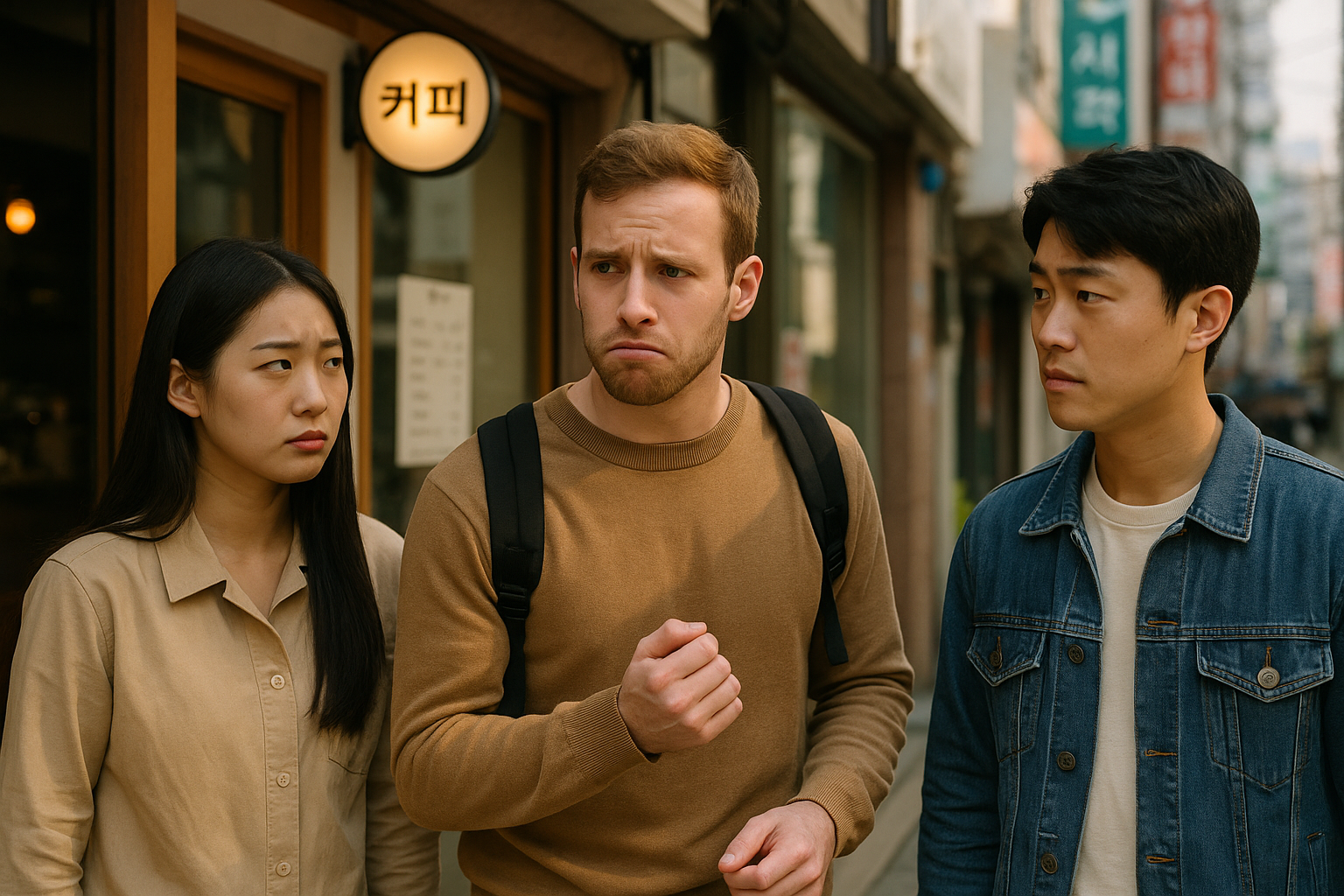
I used to think goshiwons were this ultra-cheap, ramen-fueled last resort for broke students. Turns out, that stereotype aged badly. These days, even the “budget” ones can cost as much as small studios in provincial cities. I went down a weird rabbit hole of Naver listings, YouTube tours, and Reddit threads to figure out what … 더 읽기
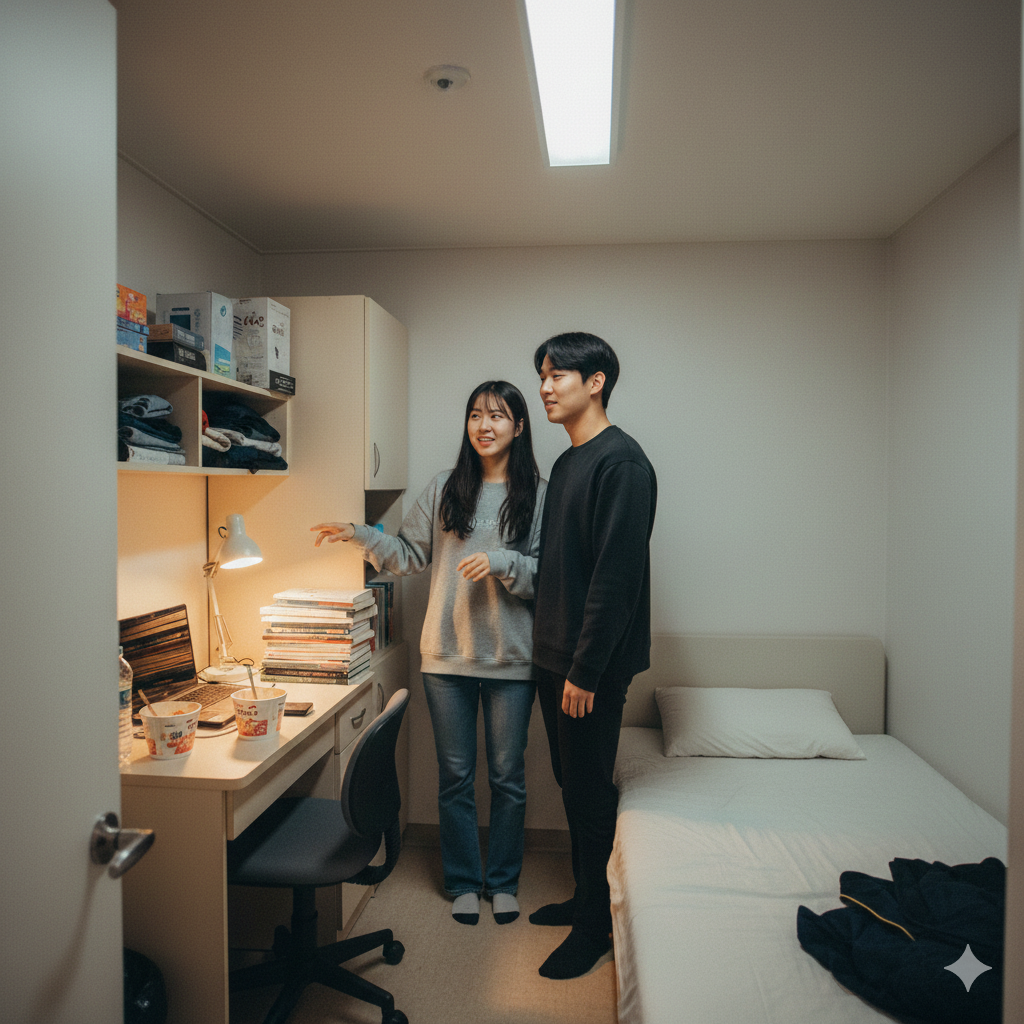
It’s a question that pops up every semester when couples, friends, or budget travelers plan to move to Seoul: can two people actually live together in a goshiwon? I had that exact thought years ago when I first looked at those “tiny room” listings near Sinchon. I imagined squeezing two humans, two suitcases, and maybe … 더 읽기

When you see a goshiwon ad that says “₩450,000 — all included,” you’d think that means… everything. It doesn’t. After a few months in Seoul, I realized that goshiwon pricing is a bit of an illusion — like a buffet that charges extra for the plate. The rent looks simple on paper, but small hidden … 더 읽기
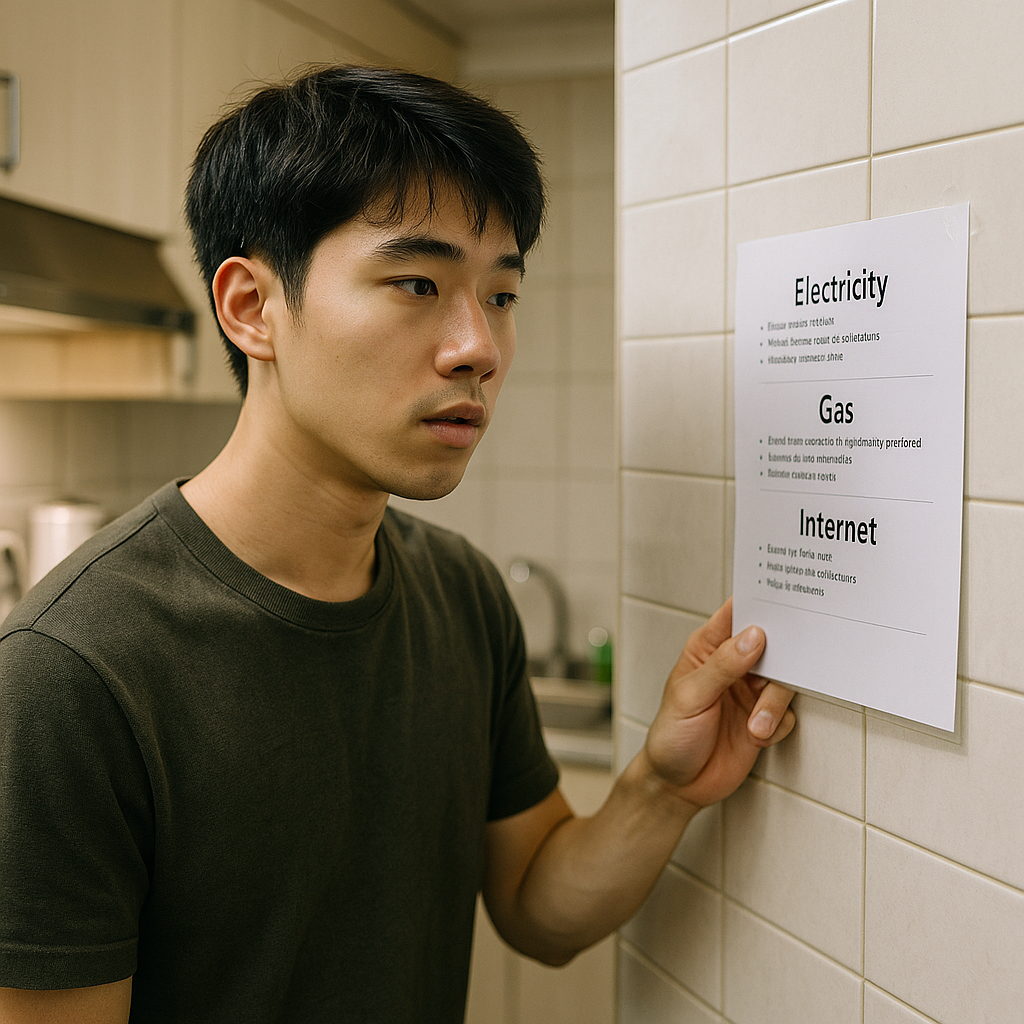
The first time I lived in a goshiwon, I thought I’d scored a great deal — ₩420,000 a month, no deposit, free rice. Then summer hit, and suddenly the air conditioner took coins. Every 10 minutes, ₩100 gone. That’s when I learned that “utilities included” in goshiwon ads doesn’t always mean what you think it … 더 읽기
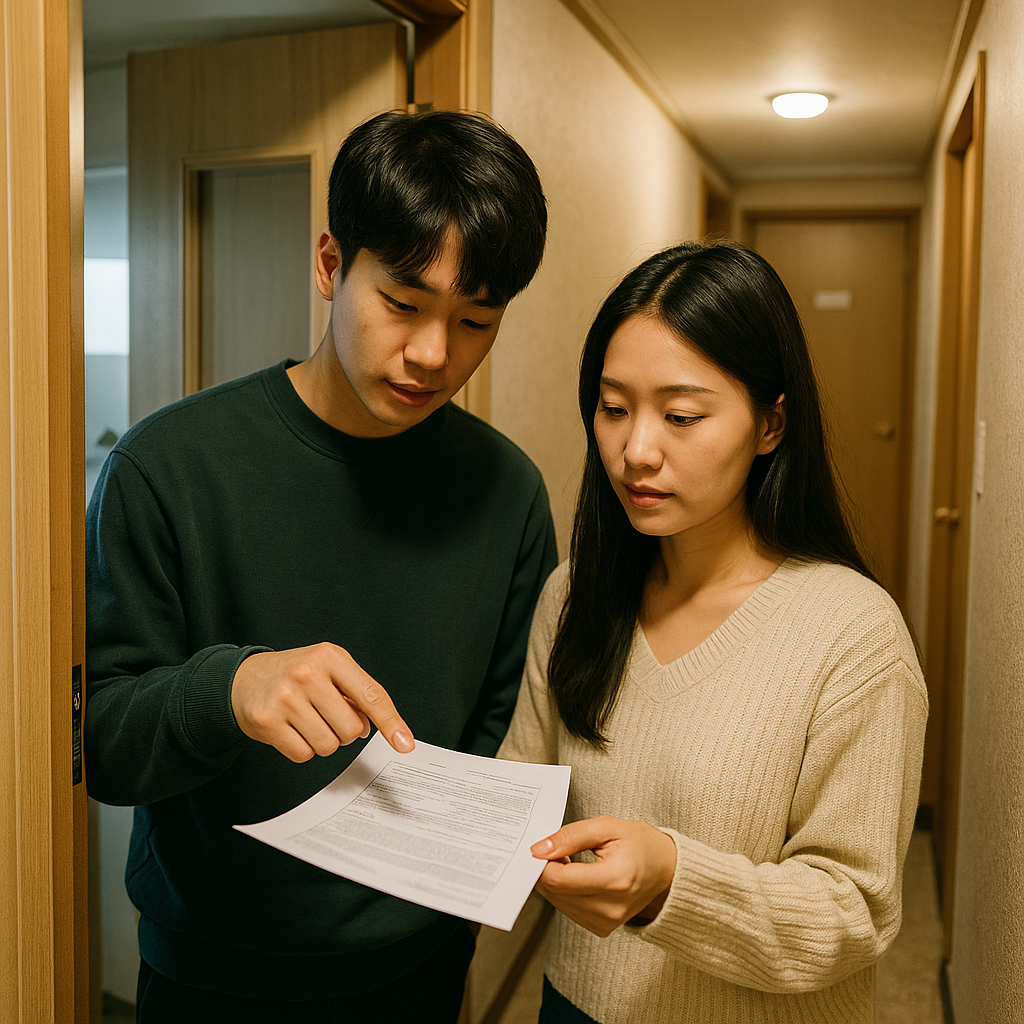
When I first tried to rent a goshiwon in Seoul, I expected something like a normal lease. You know, a deposit, a monthly rent, a paper contract. But no. What I got was a mix of verbal agreements, faded printouts, and rules that were half unwritten. Turns out, goshiwon contracts are their own little ecosystem … 더 읽기
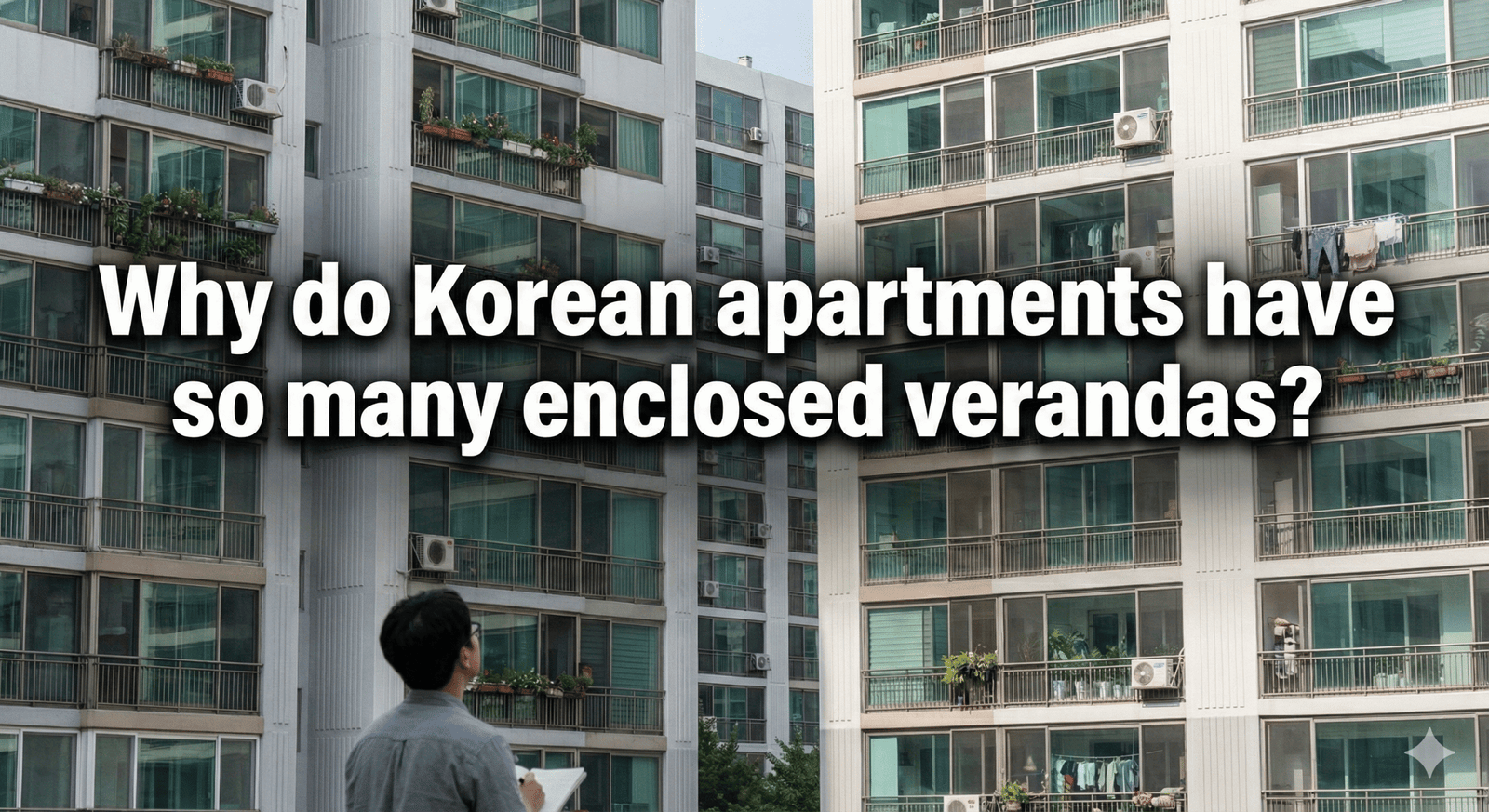
It’s one of those things you don’t really notice until you’ve lived in Korea for a bit. You’re standing in someone’s apartment, maybe in Seoul or Busan, and you realize—every windowed space seems… doubled. There’s the living room, and then beyond the sliding glass, another narrow stretch of tiled floor, kind of like a sunroom, … 더 읽기
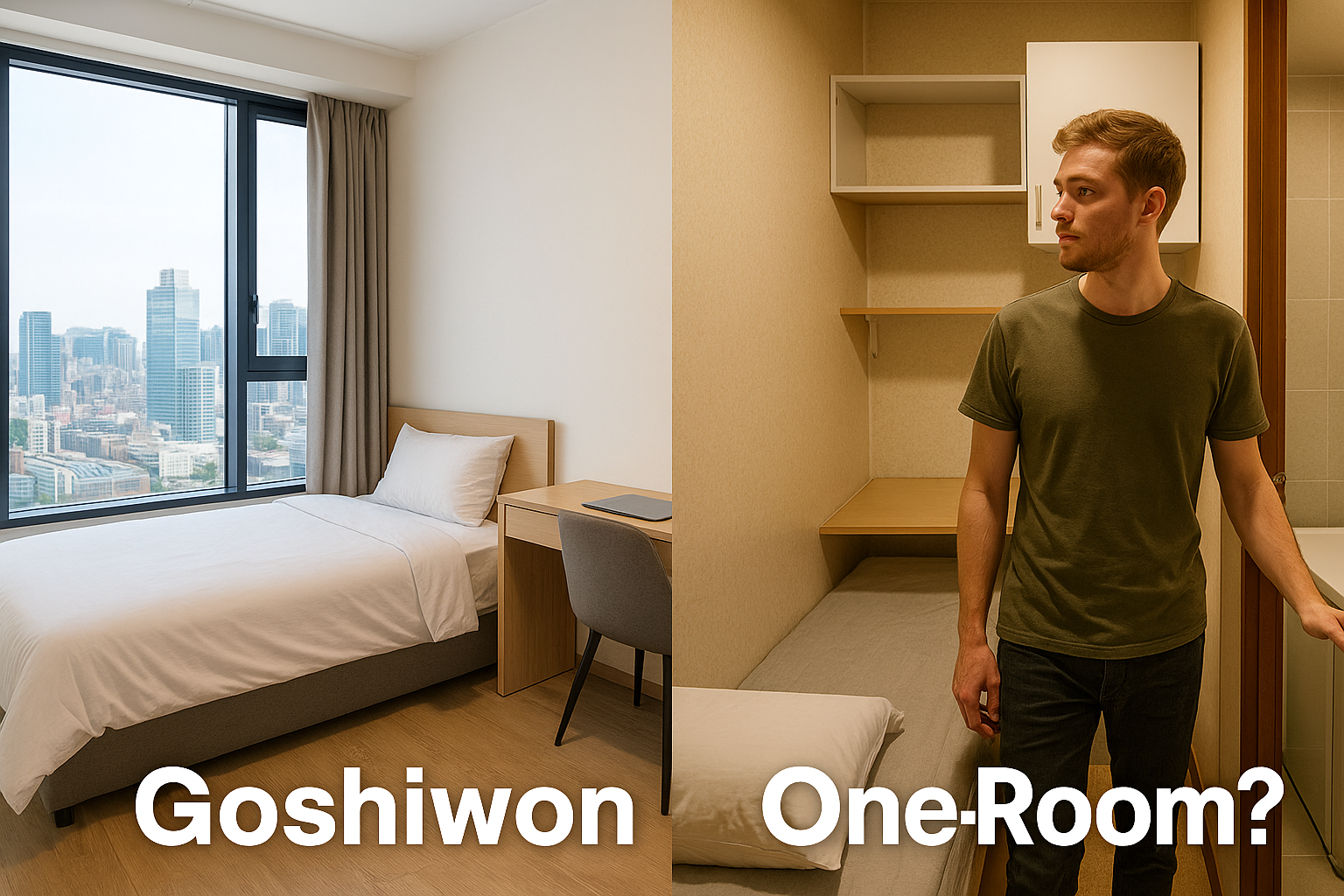
When I first started apartment hunting in Seoul, I had no idea how many layers there were to the whole system. Every listing looked affordable — until I saw the deposit, the management fee, or the fine print that said “bathroom shared with floor.” That was my first encounter with goshiwon and one-room living — … 더 읽기
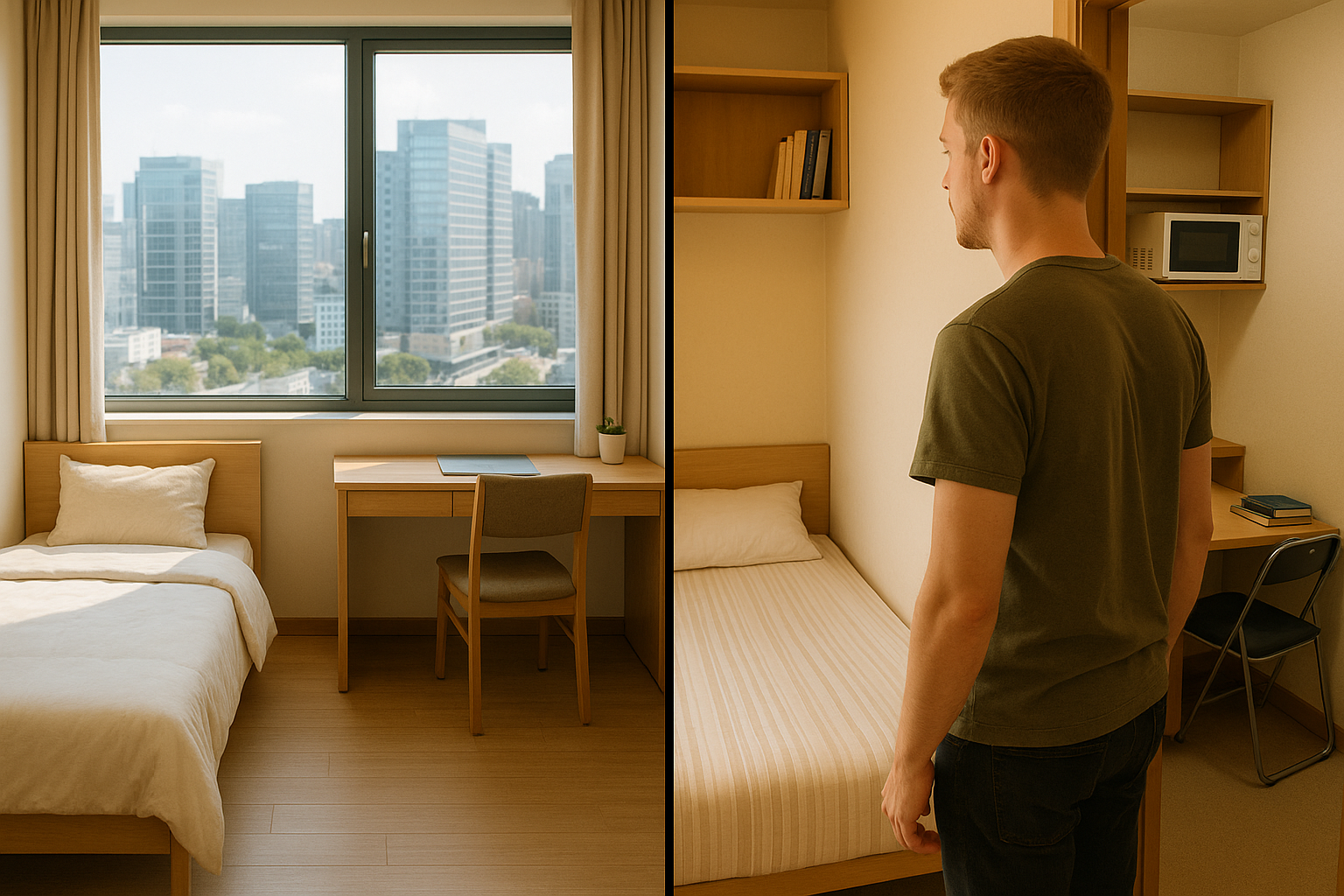
When I first moved to Seoul, I didn’t really get the housing system. I thought “one-room” just meant a studio apartment, and “goshiwon” was some kind of dorm. Technically true — but in Korea, those two words carry a lot of unspoken meaning. The choice between them is almost a rite of passage for foreigners … 더 읽기
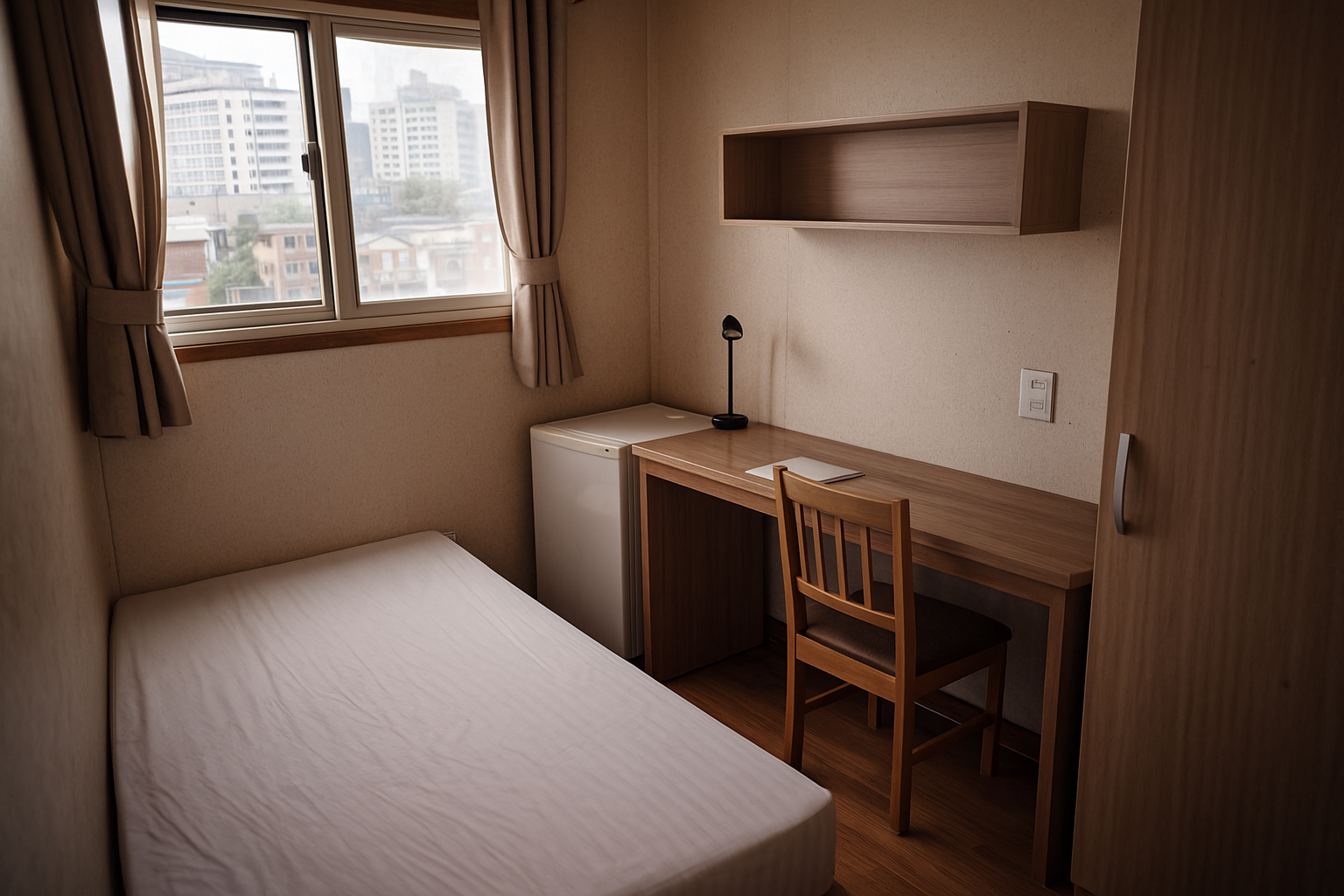
It’s one of those things you don’t quite notice until you’ve lived in Korea for a while — those narrow doors stacked along dim hallways with names like “Dream House” or “Study Stay.” They’re not hotels. Not apartments either. They’re goshiwon — the most compact form of housing you can find in South Korea, somewhere … 더 읽기