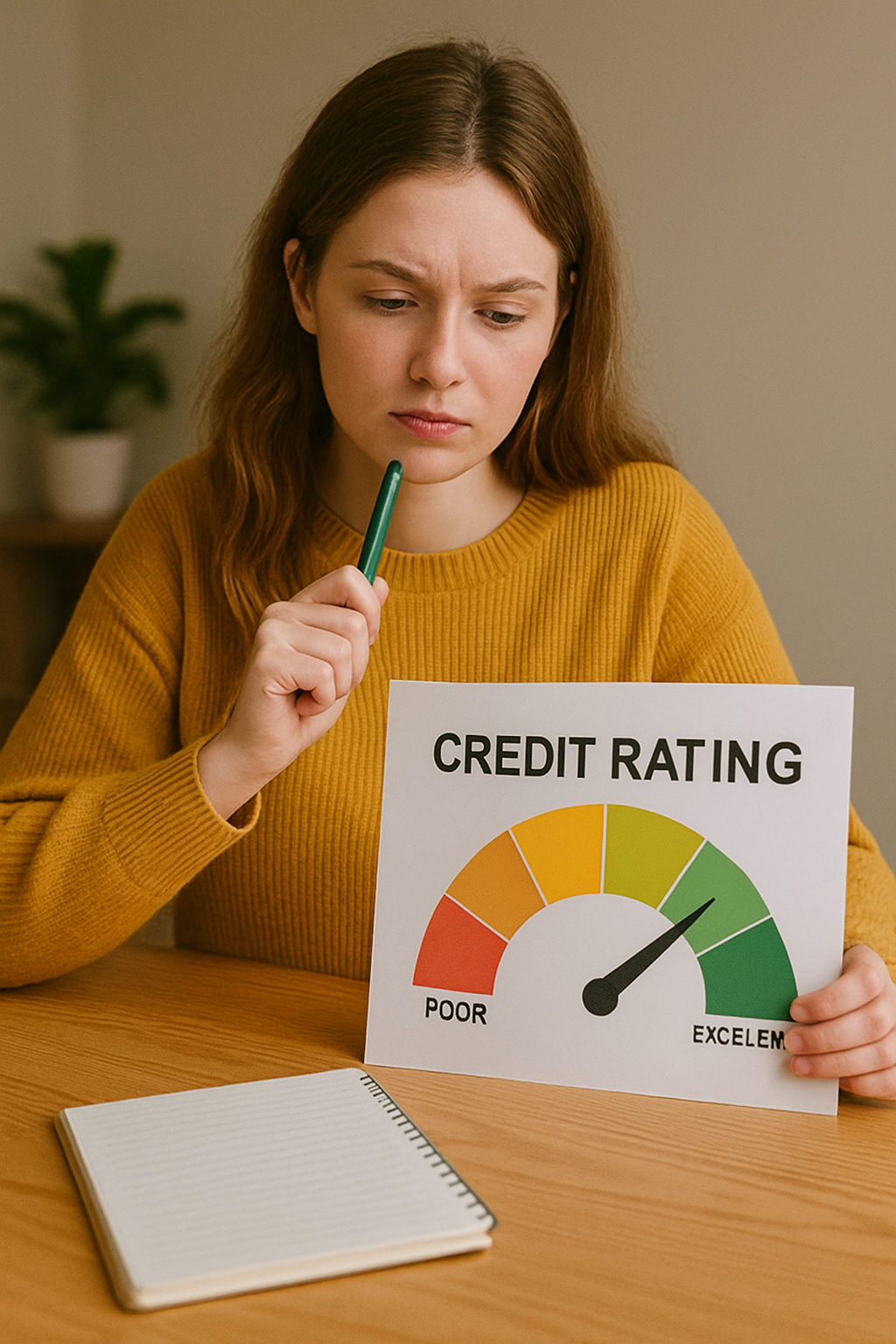
Nobody warns you about this part — you land in Korea, get your ARC, open a bank account, maybe get a debit card… and then discover your credit score doesn’t exist. Not “bad credit.” Literally no credit. Banks look at you like you’re invisible.
Thing is, you can build a solid Korean credit history faster than most locals think — about six months if you play it smart.
Month 1: Get in the System
Before anything else, you need data flowing through your name. That means:
- Register your address with your local gu office (구청).
- Open a bank account at KB, Shinhan, or Hana — those integrate with the Korea Credit Bureau (KCB) faster.
- Sign up for KakaoBank or Toss Bank if you can — they’re digital but credit-report-friendly.
Use your ARC (Alien Registration Card) everywhere. The credit system ties your score to that ID number, not your passport.
Also: make sure your phone plan is postpaid, not prepaid. Monthly billing = credit data.
Month 2: Start Micro Borrowing
Here’s where most foreigners mess up — they wait for a “credit card offer.” Won’t happen. You need to initiate your credit activity.
- Get a secured credit card (보증형 카드) — deposit ₩500k–₩1M at your bank and they’ll issue a card tied to that balance.
- Use it for everyday spending — groceries, T-Money top-ups, etc.
- Pay off in full each month. No exceptions.
After two or three billing cycles, KCB starts tracking repayment consistency. That’s your foundation.
Month 3–4: Add Legit Payment History
Bills count. Rent counts (if the contract’s registered). Even Netflix through a Korean card counts. But the key is consistency.
- Set up automatic payments for phone, internet, and utilities.
- Use KakaoPay or Toss Pay linked to your card — both report payment behavior.
- If you use jeonse or wolse, ask your landlord or agent to register your lease at the local office. That helps prove financial stability.
Actually, scratch that — the real hack is telecom credit scoring. SKT, KT, and LG U+ have “T-Score” or “Telecom Credit” systems that feed into KCB. You can check and connect them through your carrier app.
Month 5: Small Loans, Big Signal
By now, your credit profile exists. Time to show the system you can handle borrowed money responsibly.
- Apply for a Toss microloan or KakaoBank credit limit — even ₩500k helps.
- Repay early or on time, every time.
- Don’t open multiple loans; just one is enough to boost your profile.
You’ll see your KCB score (신용점수) jump from “Unrated” to around 650–700, which is decent for someone new.
Month 6: Optimize and Monitor
At this point, banks start trusting you. You might qualify for a regular credit card (non-secured) with Shinhan or KB. Apply for just one — too many applications drop your score temporarily.
Now check your progress:
- Use KCB app (올크레딧) or NICE app (나이스지키미) to see your current score.
- Set reminders to keep balances below 30% of your card limit.
- Don’t close your secured card yet — age of credit line matters.
Keep doing this another six months and you’ll hit the “prime” bracket — eligible for car leases, apartment loans, or installment plans.
- Paying National Pension (국민연금) or Health Insurance (건강보험) regularly shows reliability.
- Subscribing to KakaoBank’s savings plans or Toss investing builds financial history.
- Using Naver Pay / Coupang Pay with your card gets reported too.
I once saw a guy go from zero to 720 in five months purely through consistent telecom bills and Toss usage. The system rewards predictability, not wealth.
Why This Matters More Than You Think
In Korea, your credit score doesn’t just affect loans. It affects phone contracts, apartment leases, even visa renewals (for certain work categories). Immigration sometimes checks financial stability indirectly.
So yeah, six months of structured behavior can save you a ton of stress later.