Hanbok Experience in Korea — Free Palace Entry and Where to Wear It
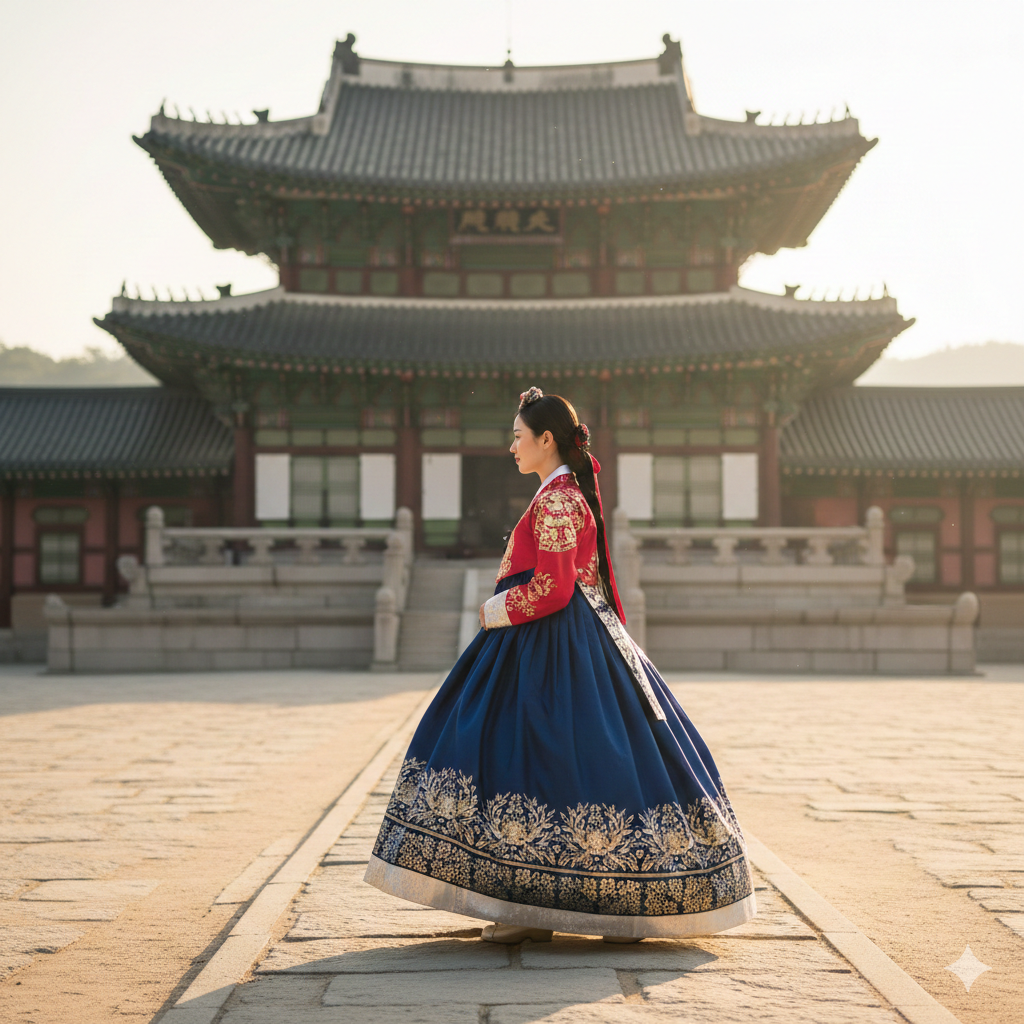
A hanbok experience in Korea gets you free entry to Seoul’s royal palaces. Here’s how hanbok rental works, what to wear, and the best spots for photos.
 Koreayo
A hanbok experience in Korea gets you free entry to Seoul’s royal palaces. Here’s how hanbok rental works, what to wear, and the best spots for photos.

Address change in Korea for foreigners is a legal must within 15 days of moving. Here’s how to report it, what documents you need, and the fines for missing it.

Korean interview personal questions about family, marriage, and age still happen. Here’s why they’re asked and how foreigners can respond gracefully.

Health insurance affects your visa extension in Korea. Unpaid premiums can shorten your stay or block renewal entirely. Here’s what foreigners need to know.
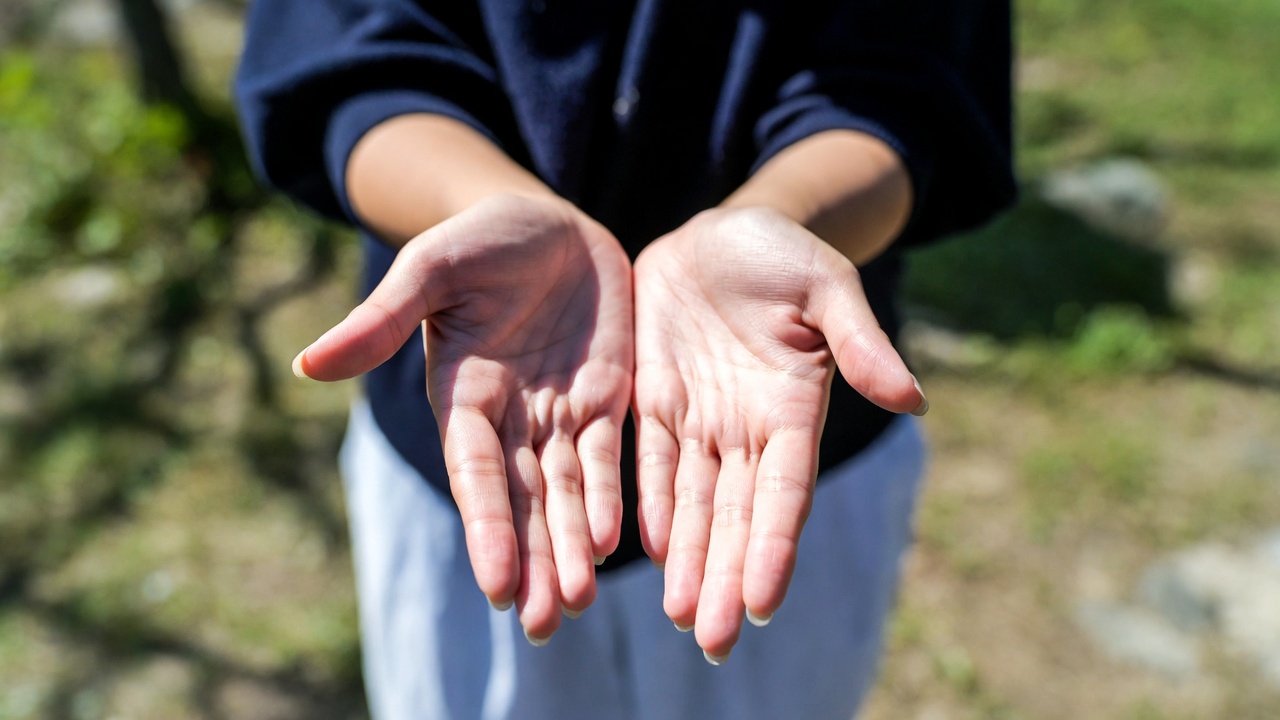
Korean two hand etiquette applies to gifts, business cards, payments, and drinks. Here’s why it matters and how to do it right as a foreigner.
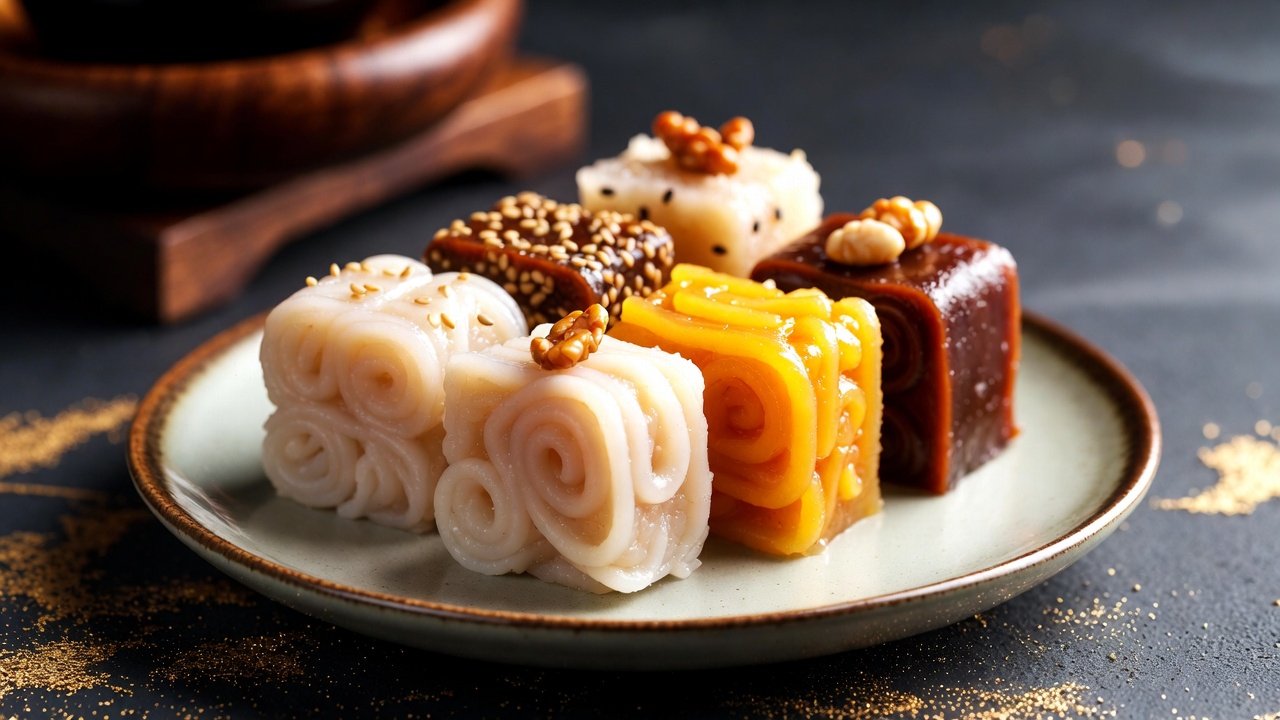
Korean traditional sweets hangwa are made from grain, honey, and oil. Here’s what they taste like, where to find them, and why Koreans gift them.

You can pay bills at a convenience store in Korea — utilities, taxes, insurance, and more. Here’s exactly how it works for foreigners.
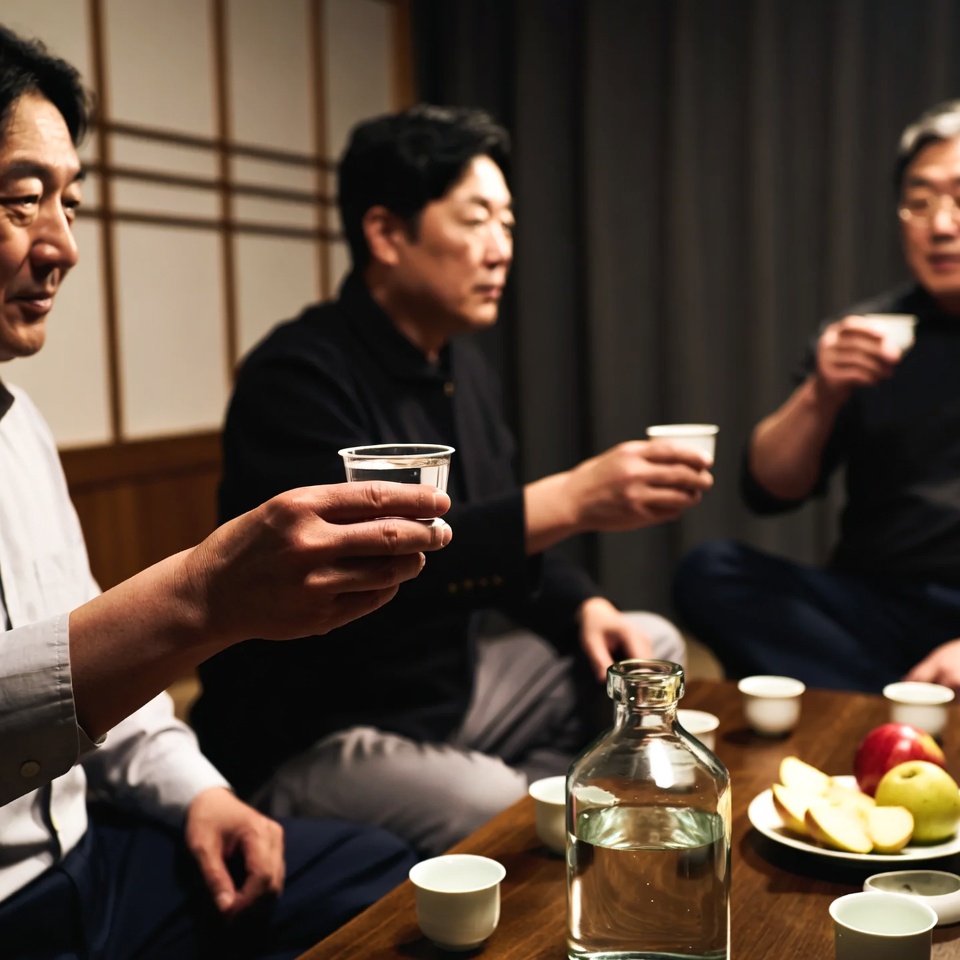
Korean drinking etiquette can be tricky at work dinners. Learn the key rules — turning your head, two hands, pouring, and how to politely decline.
E-7 visa holders in Korea must get workplace change approval before switching jobs. Here’s how the process works.

If you send money from Korea regularly, ₩1,000,000 is a familiar number. It’s a common monthly transfer amount for many expats — large enough to matter, small enough to feel routine. But here’s something most foreigners in Korea don’t realize until much later: Sending ₩1,000,000 does not mean your family receives the same amount across … 더 읽기