Korea Address System Explained: How to Read, Write, and Navigate Korean Addresses
Confused by Korean addresses? Learn how road-name addresses, apartment names, and dong work, plus practical tips for deliveries, taxis, and daily life.
The Korea address system is one of the first challenges many foreigners encounter in South Korea. A location that seems simple to a local can look confusing to someone who has just arrived. Street names, building numbers, neighborhood names, and apartment complexes often appear together, making it difficult to know which information is most important.
When I first started helping international residents navigate daily life in Korea, questions about the Korea address system came up repeatedly. Whether ordering food, receiving a package, or visiting a government office, understanding how addresses work made everyday tasks much easier.
This guide explains the basics of the modern Korea address system and offers practical tips for using it confidently.
🛣️ Understanding the Korea Address System (Road Name Address)
South Korea officially uses a road-name address system known as Road Name Address (도로명주소), managed by the government through the official Road Name Address portal (juso.go.kr).
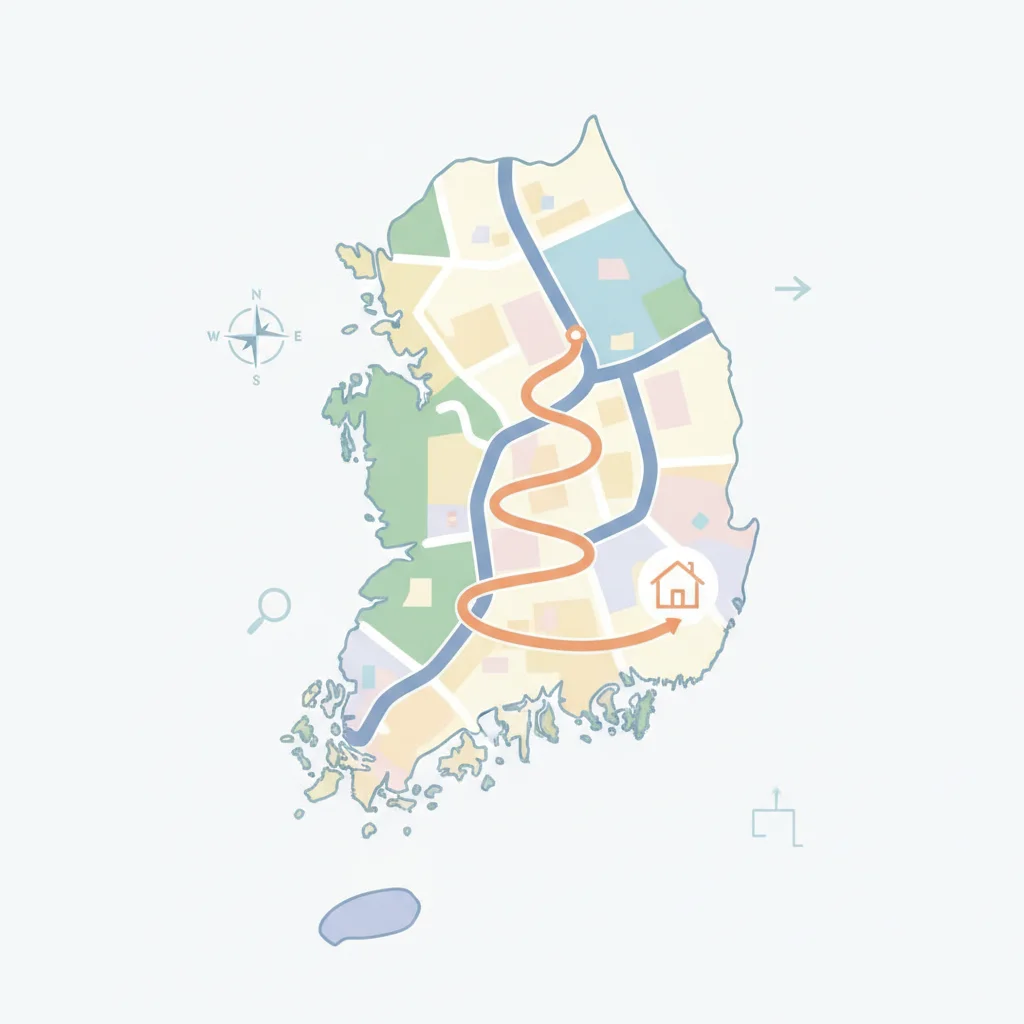
Before this system was introduced nationwide, many addresses were based primarily on land lot numbers. While those older addresses still appear occasionally, road-name addresses are now the standard for most official purposes within the Korea address system.
A typical road-name address includes:
- 📍 Province or city
- 📍 District (Gu)
- 📍 Road name
- 📍 Building number
For example:
123 Teheran-ro, Gangnam-gu, Seoul
In this example:
- Seoul is the city
- Gangnam-gu is the district
- Teheran-ro is the road
- 123 is the building number
Unlike some countries where building numbers increase evenly on both sides of a street, Korean numbering can sometimes feel less predictable. However, navigation apps generally handle this well.
🏢 Why Apartment Names Matter
One feature that surprises many newcomers is the importance of apartment complex names.
In many Korean cities, especially residential areas, people often recognize apartment names more easily than street addresses.
For example, a resident might say:
“I live in Green Village Apartment, Building 102.”
Even when a full address exists, locals may use the apartment name as a primary reference point.
This becomes particularly useful when:
- 📦 Receiving deliveries
- 🤝 Meeting visitors
- 🚕 Taking taxis
- 🧭 Giving directions
If you live in an apartment complex, learning both the official address and the apartment name can save time and reduce confusion. For more on Korean housing types, see our guide to housing in Korea.
🏘️ The Role of Neighborhood Names
Korean addresses often include neighborhood identifiers known as Dong (동).
While road-name addresses are now standard, neighborhood names remain important in everyday conversation.
For instance, someone may ask:
“Which dong do you live in?”
This question is usually intended to identify the general area rather than the exact address.
Knowing your neighborhood name can be helpful when:
- 💬 Talking with neighbors
- 🔎 Searching for local businesses
- 📰 Looking for community information
- 🎉 Understanding local events
Over time, many foreign residents find themselves recognizing neighborhoods before they memorize full street addresses.
📱 Using Korean Navigation Apps
Many foreigners arrive in Korea expecting to use global mapping services for everything. While international map platforms continue to improve, local navigation apps often provide more detailed information about the Korea address system.
Popular Korean navigation services such as Naver Map and Kakao Map generally offer:
- 🏢 Building-level navigation
- 🏘️ Apartment complex details
- 🚇 Public transportation routes
- 🚶 Walking directions
- 📦 Delivery location support
When entering an address, it helps to keep both the Korean and English versions saved somewhere accessible. The Korea Tourism Organization also provides helpful location information in English.
A practical habit is creating a note on your phone containing:
- 🏠 Home address
- 💼 Workplace address
- 🚇 Nearest subway station
- 🏢 Apartment name (if applicable)
This small step can be surprisingly useful during your first months in Korea. If you also rely on public transit, our Korea public transportation guide pairs well with this one.
📌 Common Situations Where Addresses Become Important
🍜 Food Delivery
Delivery services often require very specific location information. Including building numbers, apartment names, and unit numbers can help ensure smooth delivery. See our guide to ordering food in Korea for more details.
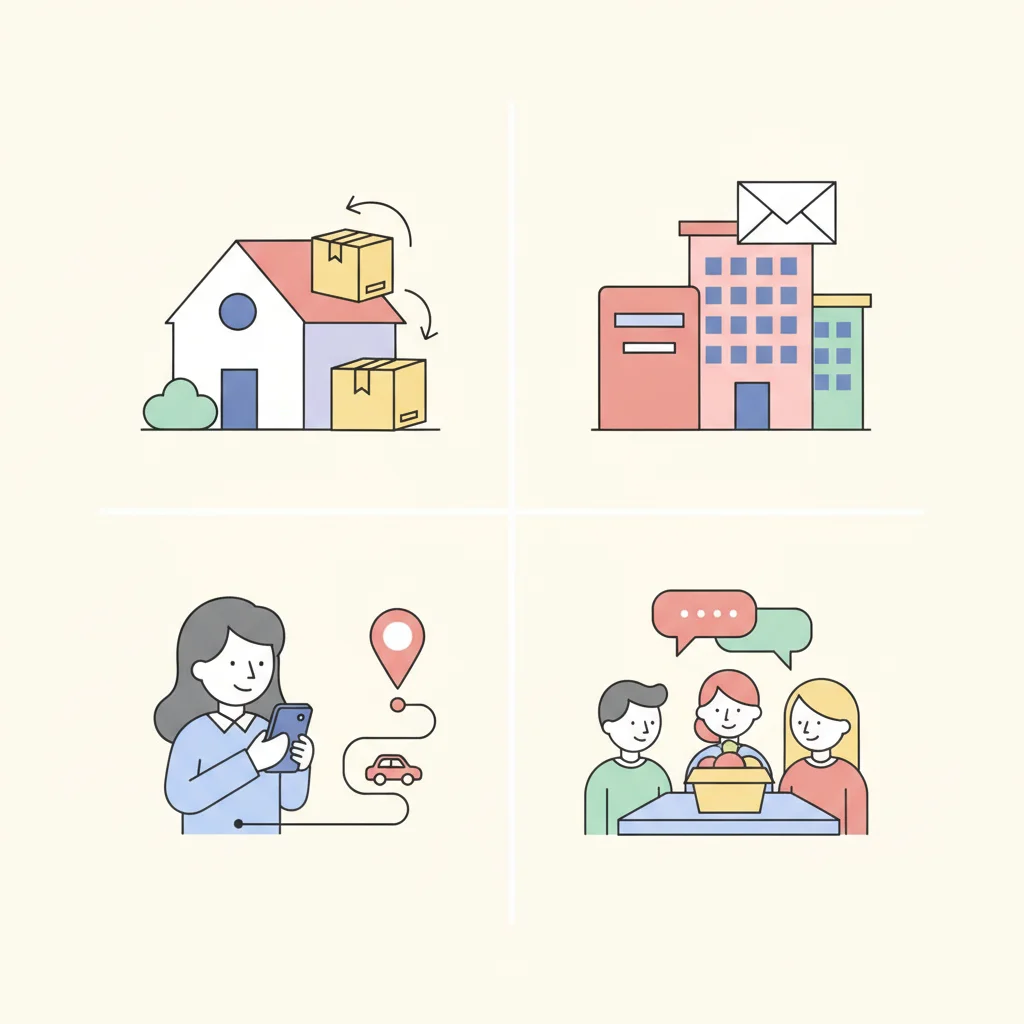
📦 Package Deliveries
International residents frequently receive online orders. Understanding how your address should be written can reduce delays. The official Korea Post (epost.go.kr) service uses road-name addresses for all domestic and international parcels.
🚕 Taxi Rides
Many taxi drivers prefer a destination entered into a navigation system rather than a verbal explanation. Having your destination saved can make communication easier.
🏛️ Government and Administrative Services
Immigration offices, community centers, and other public institutions generally use official road-name addresses for registration and documentation.
🧠 Tips for Remembering Your Korea Address
Many newcomers struggle to memorize long Korean addresses.
A simple approach is to learn the Korea address system in stages:
- City
- District
- Road name
- Building number
- Apartment name (if applicable)
Instead of trying to memorize everything at once, focus on the information you use most frequently.
After a few weeks of daily use, most residents naturally become familiar with their local area.
✅ Mastering the Korea Address System
The Korea address system may seem complicated at first, but it becomes much easier once you understand its main components. Road names, building numbers, apartment complexes, and neighborhood names all serve different purposes in helping people navigate cities and communities.
For foreign residents, learning how addresses work is one of the most practical skills for everyday life. Whether ordering dinner, meeting friends, or receiving a package, a basic understanding of the system can make daily tasks much smoother.
In the next article of this series, we will look at another uniquely Korean aspect of daily life: how convenience stores function as much more than places to buy snacks and drinks. Read it in our Korean convenience store guide.
❓ FAQ
Do I need to know my address in Korean?
Not always, but keeping a Korean version saved on your phone can be very helpful for deliveries, transportation, and local services within the Korea address system.
Are old land-lot addresses still used?
Yes. Some businesses, websites, and older documents still reference them, although road-name addresses are now the official standard.
What is the easiest way to share my address with someone?
Copying the address directly from a map application is usually the most accurate method and reduces the chance of errors.
How is a Korean address written in order?
The Korea address system is typically written from largest to smallest in Korean (city, district, road, building number), while the English version is often reversed to start with the building number and road.