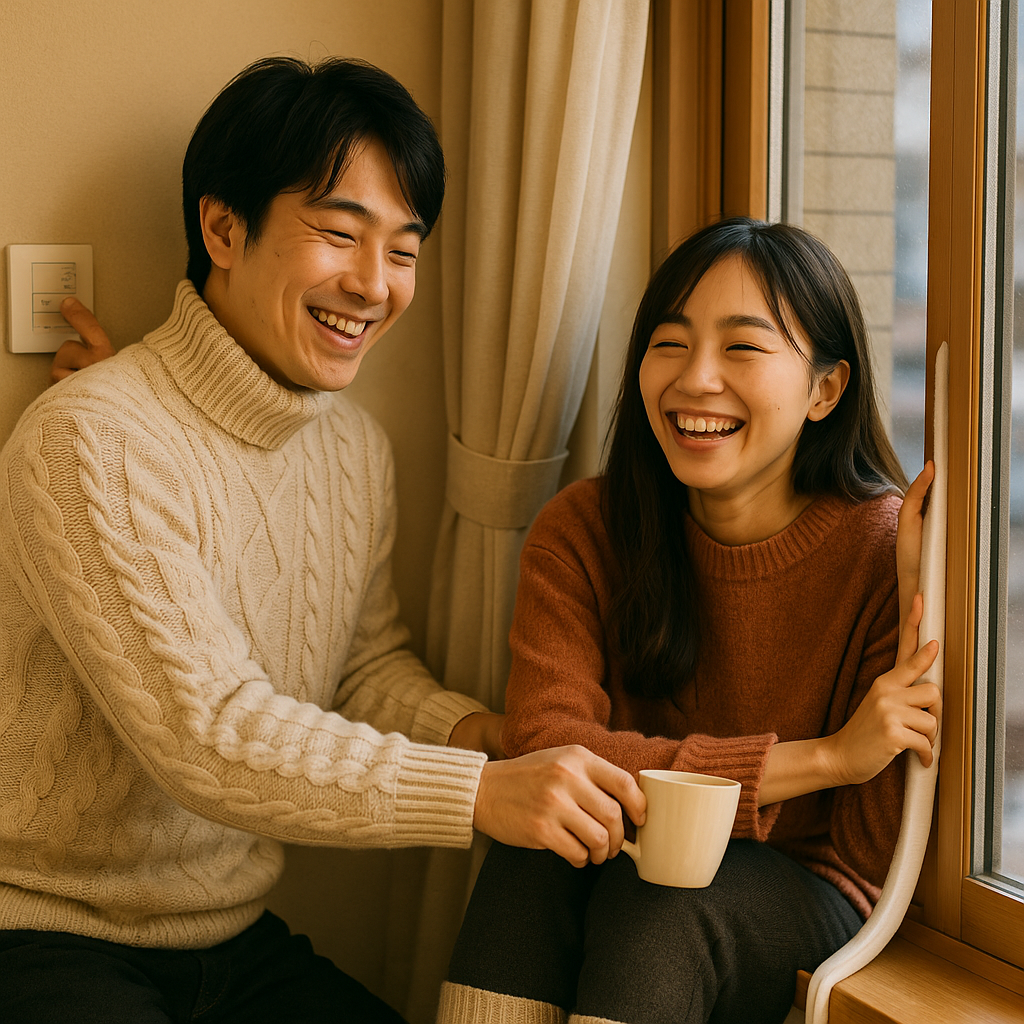
Korean winters are no joke. They sneak up on you — one day you’re enjoying crisp autumn air, and the next, you’re wondering if your toes are still attached. The thermometer says it’s -3°C, but it feels closer to -15°C, especially when the wind slices through your coat like a blade. If you’re new to Korea, this isn’t something you “adjust to.” You strategize for it.
I learned that the hard way. My first winter in Seoul, I tried to “tough it out” with cheap gloves and a weak heater. Big mistake. By January, I was broke from gas bills and constantly wrapped in three blankets like a confused burrito. But after a few years (and some good advice from neighbors), I finally cracked the code on how to stay warm and sane during the icy months.
Understanding the Korean Winter Beast
First, let’s talk about what makes Korean winters so intense. It’s not just the temperature — it’s the dryness and that Siberian air that sweeps down across the peninsula every year. Locals even call the wind the “knife wind.” That’s not poetry. It’s a warning.
The air’s also extremely dry, so your skin and sinuses take a hit. You’ll get static shocks from doorknobs and watch your lips peel faster than you can reapply balm. The combination of wind, low humidity, and urban chill gives Korean winter its unique brand of misery.
And if you think your apartment will protect you — ha. Many older Korean buildings have minimal insulation. Heat leaks through windows and thin walls like water through a sieve. Which brings us to the survival part.
Heat Smart, Not Hard: The Floor Heating Reality
Korea’s traditional floor heating system, known as “ondol,” is both genius and frustrating. It warms the floor using hot water pipes — meaning your feet stay toasty, but your nose still feels like ice. It’s cozy but inefficient if you don’t know how to manage it.
Some rules I learned (mostly by trial and error):
- Keep it steady. Setting your heat to a constant mild temperature (around 19–21°C) is cheaper and more efficient than turning it off and on.
- Turn off the hot water mode when you’re not showering. It quietly burns gas all day if left on.
- Close doors. Heat one room, not the whole house. Many people live mostly in one “warm zone” during winter.
- Use rugs or foam mats. They trap heat and reduce the floor’s cooling speed.
- Avoid drying laundry indoors at night. The humidity’s nice, but the evaporation makes your room colder.
If you’re still freezing, get creative. I once put aluminum foil under my carpet to reflect heat back up — tacky but surprisingly effective.
Clothing: Layer Like a Local
Forget fashion for a second. The real trick to surviving Korean cold is layering with intent. The temperature difference between outdoors and indoors is dramatic — sometimes 20°C apart — so flexibility is key.
Here’s the standard winter uniform everyone swears by:
- Base Layer: Thermal or heat-trapping underwear. The thicker version is worth every cent.
- Middle Layer: Fleece or lightweight down jacket. Not bulky but adds major warmth.
- Outer Layer: A long padded coat. You’ll see everyone wearing these — it’s the unofficial national uniform from December to February.
- Accessories: Thick scarf, beanie, touchscreen gloves, and pocket heat packs. Those tiny packets are lifesavers — keep a few in your bag at all times.
- Footwear: Insulated boots or waterproof sneakers. Korean sidewalks freeze overnight, and slipping is almost a winter rite of passage.
There’s an old saying that “the cold enters through the feet.” It’s actually kind of true. Warm feet = warm body. So invest in decent socks.
And indoors? Slippers. Always. Floors, even with heating, get chilly at the edges.
DIY Home Insulation: The Battle Against Drafts
Even the fanciest Korean apartments have one flaw: poor insulation. Those lovely sliding windows are like open doors for cold air. If you’re renting, you can’t remodel, but there’s plenty you can do to stop heat from escaping.
Cheap Fixes That Actually Work
- Window film: It’s plastic insulation you shrink with a hairdryer. It’s cheap and surprisingly effective.
- Weather stripping: Foam tape around window and door frames stops drafts.
- Bubble wrap trick: Stick it to windows with water — it creates a cushion of trapped air that blocks the chill.
- Curtains: Thick blackout curtains help more than you’d expect. Keep them open in the day for sunlight and closed tight at night.
- Draft stoppers: Roll up a towel or use a stuffed door blocker. The bottom of the door leaks more heat than you think.
I tested all of these in my apartment last winter and shaved about ₩40,000 off my monthly gas bill. Worth it.
Humidity and Comfort: The Secret Weapon
Korean air gets desert-level dry in winter. The problem isn’t just discomfort — low humidity actually feels colder. Moist air retains heat better, so boosting humidity makes your room warmer without touching the thermostat.
If you can, buy a humidifier. Even a cheap one helps. If not, use the classic trick: place bowls of water near heaters or hang damp towels. Instant mini-climate control.
Anecdotally, I started sleeping better once I did this — less static, fewer sore throats, and no more waking up feeling like I’d swallowed sandpaper.
Survival Items You’ll Thank Yourself For
I’ve built a little “winter arsenal” over the years. Here’s what’s always in rotation:
- Electric blanket: Great for warming the bed before sleeping. Don’t run it all night though — set a timer.
- Portable electric heater: For small rooms, these can actually be cheaper than running the gas boiler.
- Humidifier: Prevents cracked skin and sore throats.
- Moisturizer and lip balm: You’ll go through a lot.
- Heat packs: Keep one in each pocket when going out.
- Thermal mug: Keeps tea or coffee warm for hours while exploring the city.
One winter, my power went out for half a day during a cold snap. The only thing that saved me? A battery-powered heated vest I’d bought on impulse. Highly recommend.
Going Outside Without Regret
If you’re sightseeing or commuting, plan like it’s a mini expedition. Seoul looks postcard-perfect in snow, but the cold gets worse when you’re standing still for photos.
Some random but helpful habits:
- Eat hot food often. Street snacks like sweet pancakes and fish cakes aren’t just tasty — they literally warm your core.
- Take breaks indoors. Koreans practically live in cafés during winter; follow their lead.
- Don’t ignore your face. Windburn is real — wear a mask or scarf over your mouth.
- Keep moving. Even short walks keep circulation going. Standing still in Korean winter is just… suffering.
Winter Culture Bonus: Why Koreans Are So Good at Staying Warm
It’s not just about gear — there’s a cultural rhythm to surviving winter here. Houses rely on radiant floor heating; cafés become second homes; even convenience stores sell emergency hand warmers. You’ll see couples sharing scarves, students sipping hot tea, and taxi drivers with electric seat covers.
There’s also a deep appreciation for warmth in daily life — soups, stews, and cozy indoor rituals. My neighbor once told me, “Winter is meant to be survived together.” Sounds corny, but kind of true.
Random Observations That Don’t Fit Anywhere Else
- Apartments echo more in winter because windows stay sealed tight.
- Older buildings sometimes smell faintly of gas — that’s normal, but if it’s strong, call your landlord immediately.
- You can dry laundry faster by hanging it near the heated floor zone.
- Hot water bottles from Daiso or similar stores are surprisingly reliable.
- Jeju feels warmer, but the humidity makes it tricky — your clothes stay damp for days.
- Some people sleep with humidifiers and slightly open windows for fresh air. It’s weirdly effective.
The Bottom Line
Surviving Korean winter isn’t about being tough — it’s about being smart. Once you figure out how to layer clothes, manage the heating system, and patch up your windows, the season becomes kinda… charming. The air turns crisp, the sky goes blindingly blue, and every café smells like cinnamon.
You’ll still grumble about the cold — everyone does — but you’ll also secretly start to enjoy it. Especially when you’re inside, sipping hot citrus tea, watching snow fall outside a steamed-up window.
FAQ
How cold does it get in Seoul?
Average lows are around -5°C, but windchill can feel like -15°C on bad days.
Is heating expensive?
Yes — gas bills can spike fast. That’s why insulation and heat management matter.
Do apartments have central heating?
No. Each unit controls its own boiler.
Should I buy a humidifier?
Definitely. Dry air makes winter way more uncomfortable.
Can I just use an electric heater?
Yes, but keep it small and efficient. For big rooms, gas heating’s still cheaper.
What clothes do locals wear?
Long padded coats, fleece, and thermal layers. It’s a uniform for a reason.
Why is Korean winter so dry?
Cold continental air from Siberia holds little moisture. Combine that with indoor heating, and humidity plummets.
Is it colder in the countryside?
Usually yes — open spaces mean more wind exposure.
Unrelated, but does snow stay long in Seoul?
No, it usually melts within a day unless there’s a major storm.
How to Prepare for Your First Korean Winter Trip: Packing Guide for Travelers
How to Reduce Heating Bills in Korea: Hacks Every Foreigner Should Know
Why Does South Korea Feel So Much Colder Than Its Latitude Suggests?