Korean Convenience Store Guide: Best Food, Prices, and What Foreigners Should Know
Discover why Korean convenience stores like CU and GS25 are essential for daily life. From ready-to-eat meals and 24-hour service to package delivery and T-money…
Many visitors arrive in Korea expecting to explore famous restaurants, trendy cafés, and popular tourist attractions. Yet one of the places they often end up visiting most frequently is the neighborhood Korean convenience store.
For foreign students, workers, travelers, and long-term residents, the Korean convenience store quickly becomes a familiar part of daily life. Whether you need a quick breakfast before class, an umbrella during unexpected rain, or a late-night meal after work, there is a good chance that a convenience store can help.
People who first discover Korea through K-dramas or social media may notice that convenience stores appear regularly in everyday scenes. This is not a coincidence. In modern Korea, the convenience store is deeply integrated into daily routines and serves purposes that go far beyond selling snacks and drinks. While convenience stores exist all over the world, the Korean version has evolved into something much broader.
The Korean Convenience Store Is Everywhere
One of the first things many newcomers notice is the sheer number of convenience stores.
A Store Is Usually Just Around the Corner
In many Korean cities, a Korean convenience store can be found in residential neighborhoods, office districts, near universities, around subway stations, and even in quieter areas.
It is common to find multiple stores within a short walking distance of one another. Major brands such as CU, GS25, 7-Eleven, and Emart24 operate thousands of locations across the country.
For someone unfamiliar with the area, a Korean convenience store often becomes an easy reference point when navigating a neighborhood.
Long Operating Hours Add Flexibility
Many stores operate 24 hours a day, although operating hours can vary depending on location.
This makes them particularly useful for shift workers, students studying late, travelers arriving at unusual hours, or anyone who needs something outside regular business hours.
Ready-to-Eat Meals Make the Korean Convenience Store a Major Attraction
Foreign visitors are often surprised by the variety of prepared meals available at a typical convenience store.
More Than Simple Snacks
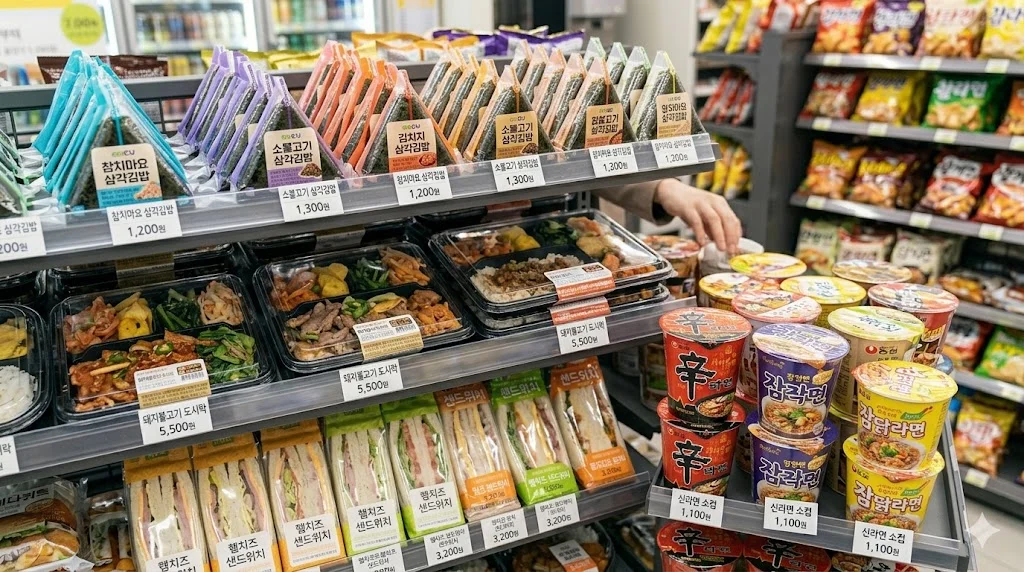
While convenience stores certainly sell chips, candy, and soft drinks, they also offer a wide range of meal options.
Common choices include:
- Kimbap (Korean rice rolls)
- Sandwiches
- Rice bowls (dosirak)
- Instant noodles (ramyeon)
- Salads
- Bento-style lunch boxes
- Hot snacks (corn dogs, fried chicken)
For students and workers with busy schedules, these meals provide affordable and accessible dining options.
Microwave Stations Are Common
Most Korean convenience stores include microwaves that customers can use to heat purchased meals. Some locations also provide hot water dispensers for instant noodles and small seating areas where customers can eat immediately.
For newcomers living in temporary housing or dormitories, these facilities can be particularly useful during the first weeks after arrival.
The Korean Convenience Store as a Practical Resource for Everyday Needs
Convenience stores often function as mini community hubs.
Basic Household Items Are Available
Although selection varies by store, customers can often purchase everyday necessities such as:
- Batteries
- Toothbrushes and toiletries
- Phone chargers
- Tissues and wet wipes
- Umbrellas
- Stationery
This can be especially helpful for travelers who forgot to pack an item or residents facing a small emergency outside regular shopping hours. Government resources such as Korea.net also offer helpful background on daily life and services for foreign residents.
Seasonal Products Reflect Daily Life
One interesting aspect of Korean convenience stores is how quickly they adapt to seasonal changes. During summer, shelves may feature cooling products, cold drinks, and seasonal desserts. In winter, customers often find warm beverages and seasonal snacks.
The Korean Convenience Store and Korean Food Culture
Although convenience stores are not a replacement for traditional restaurants, they play an important role in modern food culture.
Trying Korean Foods in an Accessible Way
For foreigners who are unfamiliar with Korean cuisine, the Korean convenience store offers a low-pressure environment to explore new foods.
Products such as triangle kimbap, tteokbokki, fish cakes, and Korean-style instant noodles are widely available and generally affordable. This allows people to sample local flavors without committing to a full restaurant meal. Tourism resources like the Korea Tourism Organization also highlight convenience store food as part of the modern Korean experience.
Limited-Time Products Generate Interest
Korean convenience stores frequently introduce new products and seasonal collaborations. Some items gain popularity through social media, television programs, or celebrity endorsements.
K-pop fans and international visitors often enjoy discovering products that may not be available in their home countries. Because inventory changes regularly, visiting a Korean convenience store can sometimes feel like a small cultural exploration.
Digital Services Beyond Shopping at the Convenience Store
The Korean convenience store has evolved alongside Korea’s highly connected digital environment.
Package Pickup and Delivery Services
Many locations provide parcel services that allow customers to send or receive packages. This can be useful for students living away from home or residents who frequently shop online.
Bill Payments and Other Services
Depending on the store and region, customers may also use convenience stores for:
- Utility payments
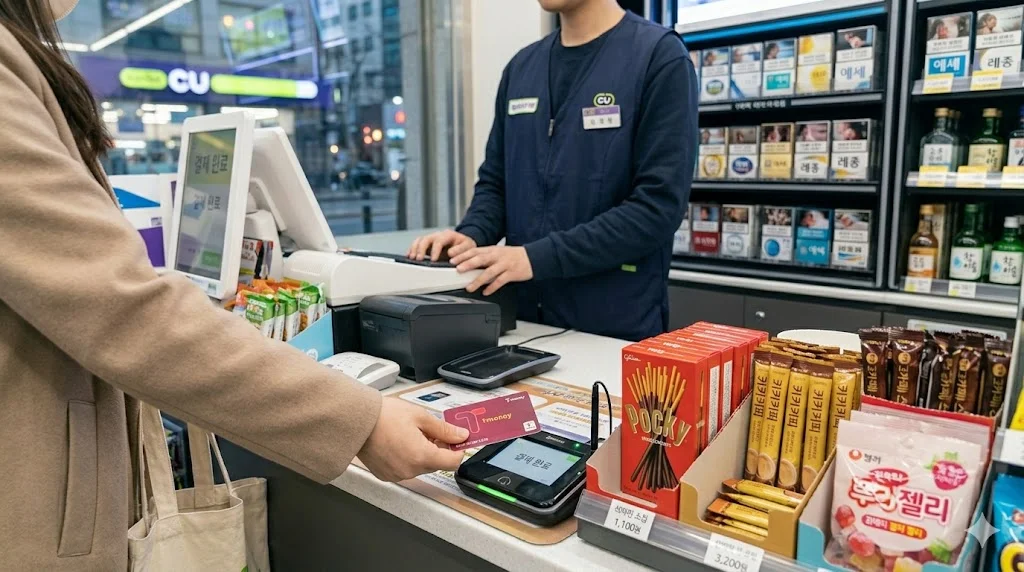
- Transportation card recharging (T-money)
- Ticket purchases
- Printing and copying services
- ATM withdrawals
For newcomers, learning about these services can save time and simplify everyday tasks.
Korean Convenience Store Etiquette
Using a Korean convenience store is generally straightforward, but a few customs are worth noting.

Self-Service Is Common
Customers are often expected to heat their own food, prepare instant noodles, or organize their purchases independently. Staff members are usually available to assist if needed, but self-service is a normal part of the experience.
Keeping Shared Spaces Clean
If a store provides seating areas or meal preparation stations, customers are generally expected to clean up after themselves. Returning trays, disposing of waste properly, and keeping common areas tidy are simple practices that help maintain a pleasant environment for everyone.
Why Foreign Residents Often Become Regular Convenience Store Customers
For many foreigners, the Korean convenience store becomes more important than expected.
During the adjustment period of living abroad, familiar routines can be comforting. A nearby convenience store offers predictability, accessibility, and practical solutions to everyday needs.
Some foreign students visit daily for breakfast. Office workers may stop by for coffee before work. Travelers often rely on convenience stores for quick meals between sightseeing destinations.
Over time, these small visits become part of daily life.
Conclusion: The Korean Convenience Store as Everyday Life
The Korean convenience store is far more than a place to buy snacks. It serves as a meal provider, service center, neighborhood landmark, and practical resource for people with busy schedules.
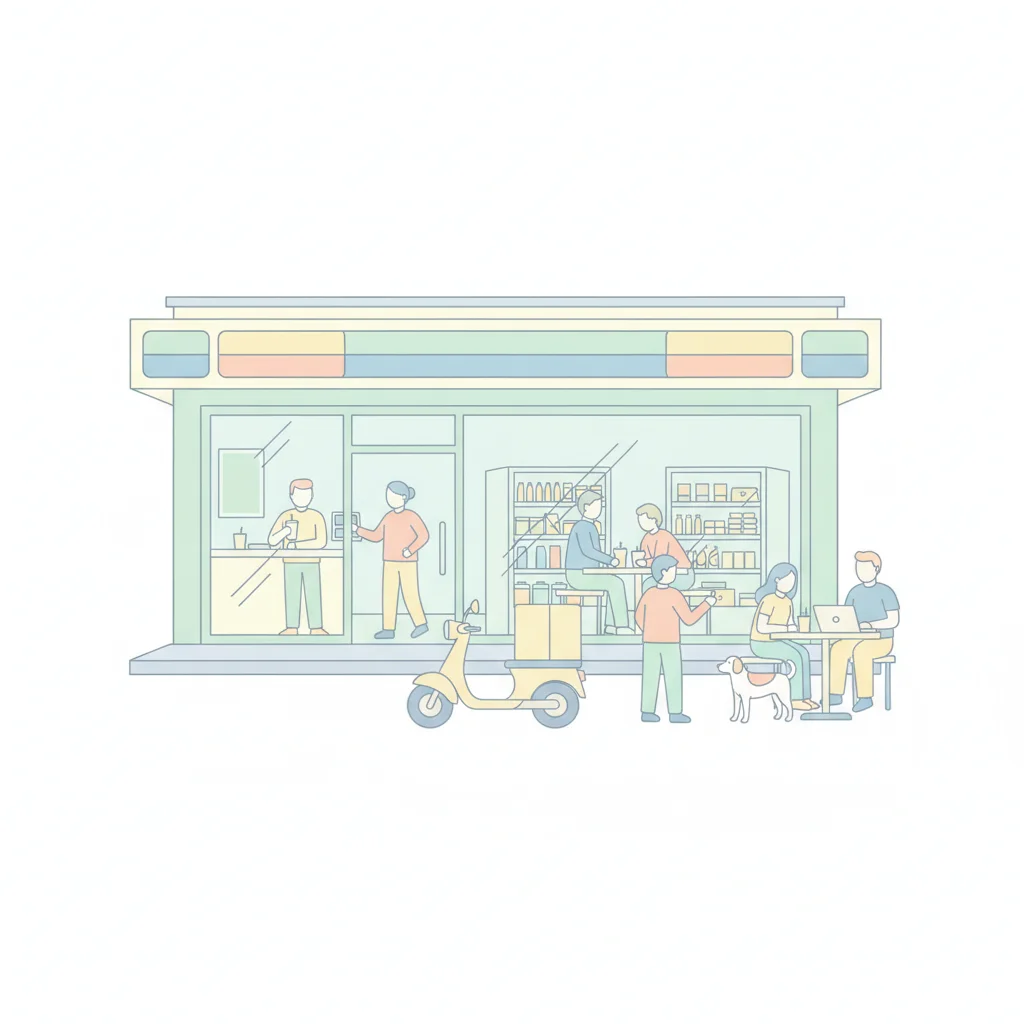
For foreign residents and visitors, learning how to use a Korean convenience store effectively can make everyday life in Korea easier and more enjoyable. Their accessibility, affordability, and variety help explain why convenience stores have become such an important part of modern Korean society.
In the next article, we will explore another aspect of daily life that often surprises newcomers: understanding the different types of housing available in Korea, including apartments, villas, and officetels.
Related Guides on the Korean Convenience Store Experience
- Why Convenience Stores Are So Important in Korea
- How Convenience Store Food Became Part of Modern Korean Life
- Korean Street Food Culture
- How to Order Food in Korea
- Korea Public Transportation Guide
Frequently Asked Questions
Are convenience store meals popular among Koreans?
Yes. Many students, office workers, and busy residents regularly purchase convenience store meals because they are affordable, quick, and easily accessible.
Can foreigners use convenience store services?
Generally, yes. Many services such as transportation card recharging, package handling, and food preparation are available to both residents and visitors.
Which convenience store chain is the best in Korea?
There is no single answer. Major chains like CU, GS25, 7-Eleven, and Emart24 each have their own strengths. CU and GS25 are the most widespread, while each chain offers unique products and promotions.
Can I pay with a credit card at convenience stores?
Yes. Most convenience stores accept credit cards, debit cards, and mobile payments. Cash is also accepted, but card payments are very common in Korea.
What are the most popular convenience store foods to try?
Triangle kimbap (samgak kimbap), cup ramyeon, Korean corn dogs, and seasonal limited-edition snacks are among the most popular items that foreigners enjoy trying.