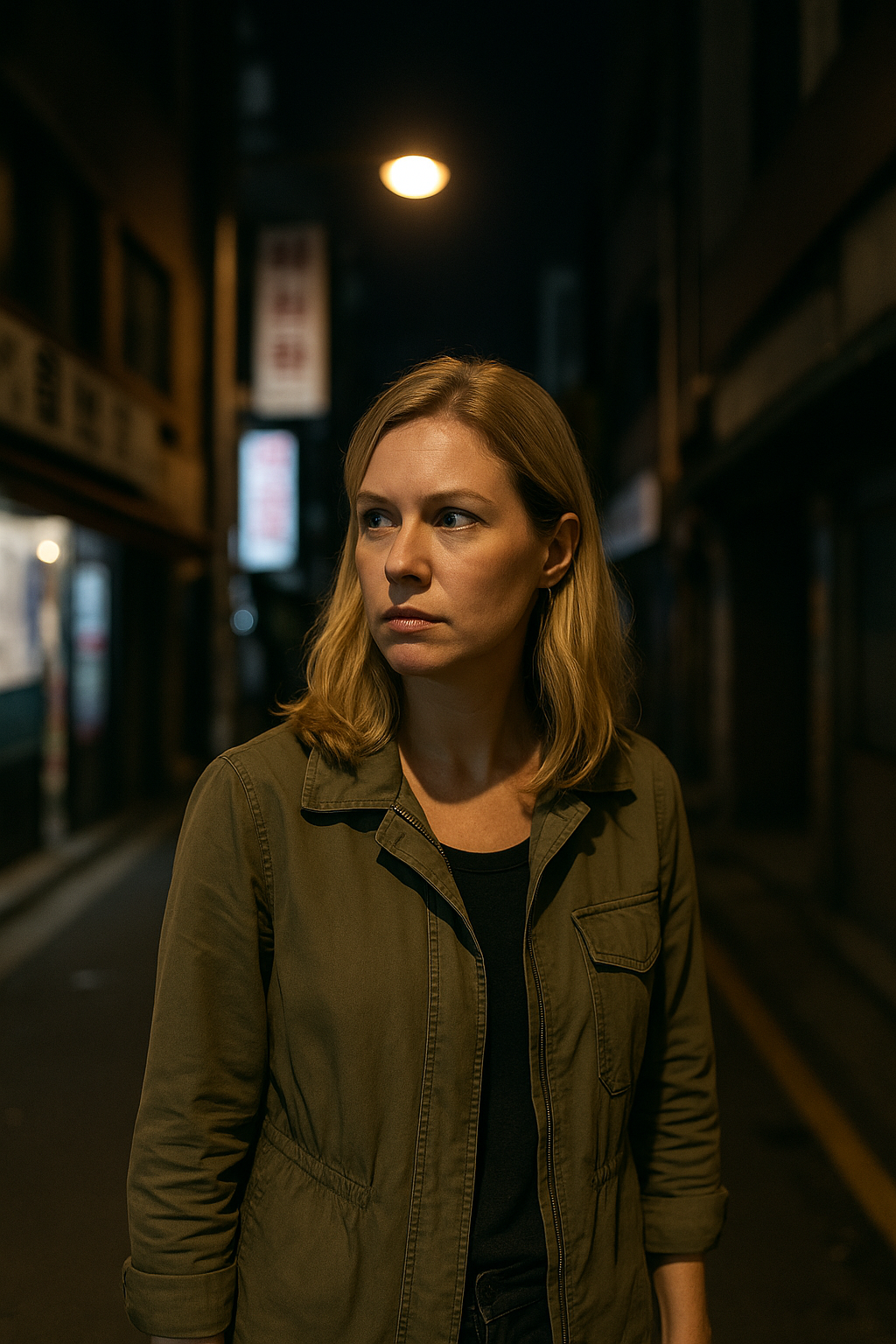
When I first moved to Seoul, everyone told me, “It’s one of the safest cities in the world.” And they weren’t wrong — people really do leave laptops unattended in cafés and come back hours later. I once saw a kid nap alone at a subway station bench, and no one even blinked. But the longer I lived here, the more I realized “safe” doesn’t mean “nothing ever happens.” It means crime looks different. It’s quieter, more social, less random — and occasionally, just hidden under politeness.
South Korea’s reputation for safety is deserved, but it’s not spotless. There are scams, weird drunk incidents, online crimes, and subtle cultural blind spots that expats should actually know about. This isn’t fearmongering — just reality from living here long enough to see both sides.
The Basics: Yes, It’s Incredibly Safe
By global standards, South Korea ranks among the safest countries. Violent crimes like robbery or assault are rare, especially against foreigners. You can walk around at 3 AM almost anywhere in Seoul, even in smaller cities like Daejeon or Gwangju, and probably feel fine.
Police presence is strong, and CCTV is everywhere — like, everywhere. The country has one of the highest camera-to-person ratios in the world. It’s partly why crime rates stay low: people know they’re being watched.
The transport system also adds to the sense of safety. Subways are clean, buses are well-lit, taxis are traceable via apps like Kakao T. Even drunk commuters are more likely to fall asleep than cause trouble.
That said, minor stuff happens — pickpocketing in tourist-heavy spots like Myeongdong or Hongdae, or phone scams targeting foreigners who don’t speak Korean well. But the difference is frequency. You might hear about one crime in months, not weekly.
The vibe here is collective responsibility. Everyone assumes everyone else is behaving. It’s comforting — until it isn’t.
Thing is, Korea’s “safe” image sometimes hides what doesn’t fit neatly into that story.
Cybercrime, for example, is rising fast. Voice phishing scams are everywhere. I’ve had friends get fake calls pretending to be from immigration, asking for “verification deposits.” Total scam. They target foreigners because language confusion works in their favor.
Then there’s digital voyeurism — the so-called “spycam crimes.” Tiny hidden cameras in public bathrooms, changing rooms, or motels. It’s a major issue here, especially for women. The government’s cracked down, but every few months, another case surfaces.
Domestic violence and stalking also remain underreported due to social stigma. Expats might not encounter it directly, but it shapes local attitudes toward privacy and intervention — people often hesitate to “get involved.”
Financial fraud and housing scams (like fake officetel listings or disappearing deposits) hit foreigners hard too. Especially if you don’t read Korean. I once saw a guy on Reddit lose ₩2 million because the “landlord” he transferred money to didn’t even own the building.
So yes, violent crime is low — but low visibility doesn’t mean zero risk.
Drunk Culture and Nighttime Safety
If anything’s going to catch you off guard in Korea, it’s alcohol. Drinking culture here is extreme — and while it’s not dangerous most of the time, it creates strange safety gray zones.
You’ll see businessmen passed out on sidewalks, students stumbling out of bars, and occasionally, street fights that burn out fast. I’ve had drunk strangers try to “befriend” me, touchy and insistent, but harmless. Still, it’s uncomfortable.
Female expats especially should be mindful in nightlife areas like Itaewon, Hongdae, and Gangnam. The majority of nights are perfectly fine, but harassment and drink-spiking incidents do happen occasionally — especially in foreigner-heavy bars.
Taxis late at night are generally safe, but as with anywhere, check the license plate or use an app-based booking service. Korea doesn’t have a big “fake taxi” problem, but you don’t want to be the first case.
I once got scammed by a taxi driver in Busan who pretended his meter was “broken” and overcharged me ₩20,000. Mild compared to other countries, but still annoying. So yes — still use your head.
Police, Reporting, and What Actually Happens After
Police in South Korea are polite but often hesitant when dealing with foreigners. Language is a real barrier, and unless it’s a serious incident, small complaints can get brushed off.
That said, the country takes crime documentation seriously. You can report incidents by calling 112, or for emergencies involving foreigners, 1330 (the multilingual tourist hotline). Most large stations have English-speaking officers.
But here’s the unspoken part: unless there’s physical harm or serious financial loss, don’t expect dramatic follow-up. Police efficiency varies. They’re great with clear evidence — CCTV, witnesses, stolen item tracking — but not great with subtle or social disputes (like scams without proof).
If something serious happens, embassies can help with translation and legal direction. South Korea’s justice system is rule-heavy, and foreigners sometimes find it slow or confusing. Paperwork can take forever, but persistence works.
Actually, the best safety advice is prevention: document everything, take photos, and keep copies of IDs, contracts, and receipts. Korean bureaucracy loves paper trails.
Safety can feel different depending on who you are. For most expats, daily life is incredibly calm. But women — both locals and foreigners — navigate subtle risks differently.
Street harassment is uncommon compared to Western cities, but when it happens, it’s usually quiet and awkward rather than loud or aggressive. Following, staring, or unsolicited DMs on KakaoTalk — that kind of thing.
There’s also a cultural hesitation to report harassment. Many locals just “avoid the situation.” So if something feels wrong, speak up firmly. Korean bystanders will often help if you’re direct — they just don’t always notice until you say something.
For LGBTQ+ expats, public safety isn’t the issue — social conservatism is. Violence is extremely rare, but public affection can draw stares or uncomfortable reactions, especially from older people.
Honestly, Korea’s safety reputation holds up, but it’s also built on surface-level peace. Below that, it’s complicated, like anywhere else.
Everyday Safety Habits That Actually Matter
I’ve learned a few small habits that make life smoother here:
- Don’t flash cash or valuables, even though theft is rare.
- Lock your goshiwon or officetel door; break-ins are rare but not impossible.
- Don’t click random text links — 90% chance it’s a phishing scam.
- Trust your gut in nightlife areas; creepy energy feels the same in any language.
- Keep a copy of your ARC and passport photos saved digitally, just in case.
- And maybe, don’t leave your laptop unattended in cafés. Even if everyone else does.
Honestly, the biggest “crime” most expats experience here is overpriced fruit. ₩12,000 strawberries should be illegal.
FAQ
Is South Korea safe for solo travelers?
Yes, extremely. Especially for women — far safer than most countries at night.
What crimes affect foreigners most often?
Scams, phishing, and housing fraud. Physical crimes are rare.
Can I walk around late at night?
Absolutely. Seoul’s night streets are well-lit and heavily monitored.
Are police helpful for foreigners?
Generally yes, but bring translation help for smoother reporting.
Are there dangerous neighborhoods?
Not really. Some nightlife zones (like Itaewon) have occasional incidents, but nothing severe.
I don’t know — what about North Korea threats?
Mostly political noise. Daily life is unaffected.
Can I trust Korean taxis?
Yes. Just use an app like Kakao T to track your ride.