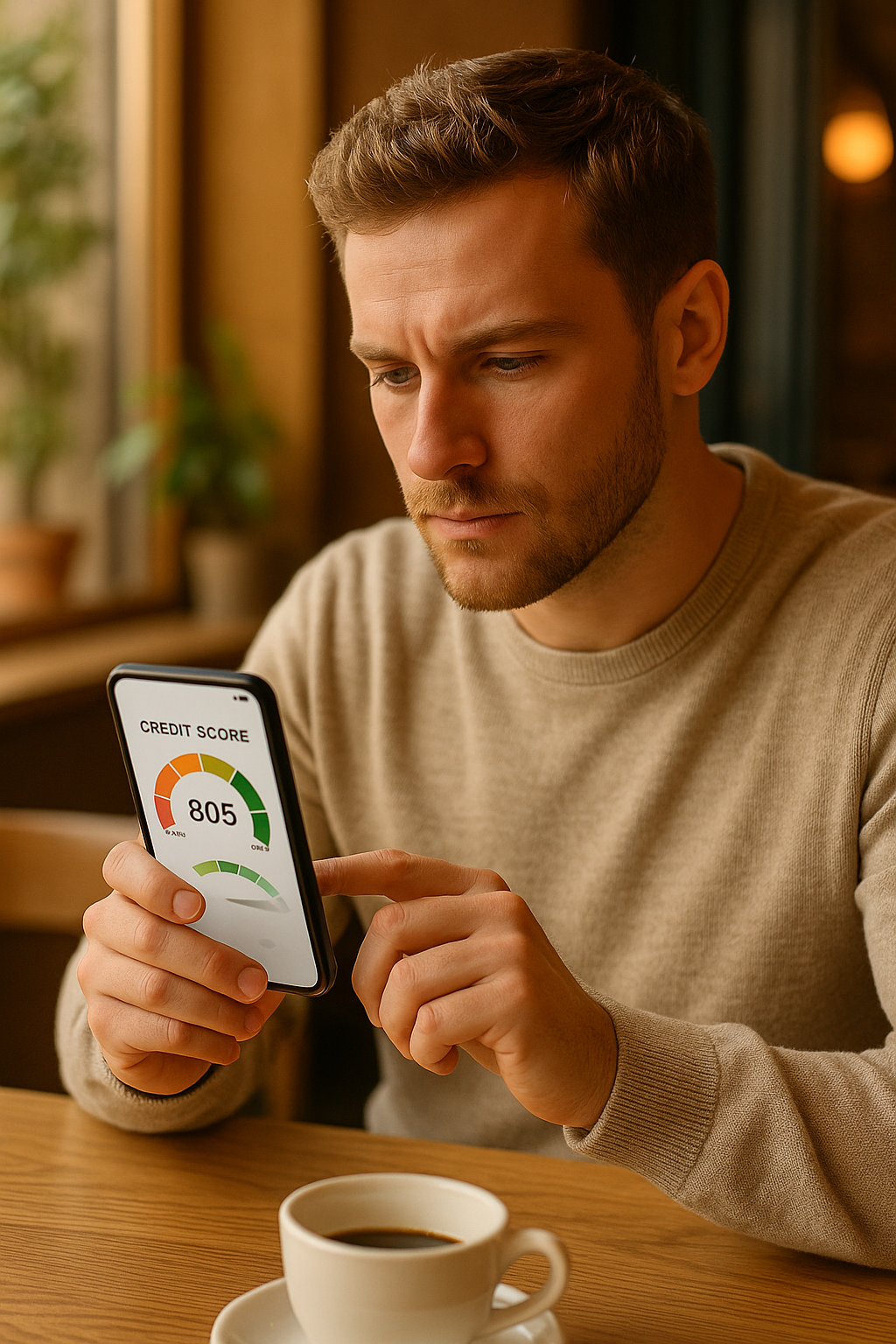
I used to think checking your credit score in Korea was a bureaucratic nightmare. Something about banks, government portals, and mysterious agencies made it sound like a long afternoon of frustration. But the reality’s a bit different — messy, yes, but surprisingly digital. Most Koreans don’t even realize there are two main credit bureaus here, not one. And that distinction matters, especially if you’re a foreigner trying to rent an apartment or apply for a phone plan.
Understanding the Korean Credit System
So, first thing — Korea doesn’t really use “credit scores” in the same way as the U.S. system (like FICO). Instead, there are two dominant agencies: KCB (Korea Credit Bureau) and NICE Information Service. Each has its own scoring model, which ranges roughly between 1 and 1,000. Higher is better, obviously, but the numbers don’t always align between systems.
Thing is, lenders here don’t always care about your “score” itself. They often check your grade, which is a simplified version of the score — typically between 1 (excellent) and 10 (uh-oh). Banks, credit cards, even mobile carriers all read from that grading scale.
And no, you don’t need to pay to check it. That’s one of the few pleasant surprises. The government and credit bureaus provide free access at least once a year through official apps or websites. Some fintech apps even show your live credit status daily.
What’s kinda strange is that small behaviors — like missing one phone bill or signing up for multiple credit cards at once — can drop your score sharply. I’ve seen people lose 40 points just for too many “inquiries.” It’s harsh, but also fixable.
Free Ways to Check Your Credit Score in Korea
You’ve got options. Some are direct; others use fintech shortcuts.
Through KCB (올크레딧)
Their platform is called AllCredit (올크레딧). You can log in via mobile verification — though foreigners sometimes hit a wall if their name doesn’t match the registration data exactly. After login, there’s a section called 신용점수 조회 (Credit Score Inquiry). They show both your score and your credit grade instantly.
There’s also an English-friendly page, but it’s limited. To be honest, it’s mostly a translated interface of the Korean one, and some menu items still bounce you back to Korean text. But hey, it works.
Through NICE (나이스지키미)
Then there’s NICE Credit (나이스지키미). It’s a similar system but with slightly different algorithms. One oddity: your KCB and NICE scores often differ by 50–100 points. No one really knows why.
For foreigners, NICE tends to work better if your alien registration number (외국인등록번호) is active. They even send alerts when your score changes, though you have to allow notifications. Free checks are limited to once a year; after that, it costs around ₩900 per check (less than a dollar).
Using Fintech Apps (KakaoBank, Toss, Bank Salad)
This is where most people check nowadays.
KakaoBank has a tab called 내 신용점수 (My Credit Score) — it connects directly to KCB’s API. You tap once, authenticate, and boom, score. Toss and BankSalad do similar things, but they aggregate data from multiple sources and even show trends over time. Kinda addictive if you’re into personal finance graphs.
Actually, Toss is pretty interesting — they gamify it a little. You get “missions” like “use your debit card responsibly for 3 months” to boost your score. Feels like an RPG for adults.
Why Your Credit Score in Korea Matters More Than You Think
I once ignored mine for years — big mistake. When I tried to lease an officetel, the realtor asked for my credit grade before showing me the place. It felt invasive, but apparently, it’s standard now. Even small landlords ask for it.
And banks? Forget about getting a good loan rate with a mid-range score. They’ll either deny it or hike your interest. Your credit score affects credit card limits, loan interest rates, and even subscription contracts (like postpaid phones or rent deposits).
What’s less obvious is how fast it can improve. Pay everything on time for six months, avoid new loan applications, and your score can jump by 70–100 points. Foreigners who build local credit through small credit cards or savings accounts usually see quick progress.
But there’s a trap: too much “checking.” Every time you authorize a lender to “inquire” your score officially, it slightly impacts your rating. Casual checks through apps don’t count, but applying for five loans in a week definitely will. It’s subtle, but the system remembers.
And just so you know, Korea has started syncing these systems with MyData — meaning your banks, insurance, and credit data are merging under one digital identity. The future’s either super convenient or super creepy. Not sure which yet.
The Foreign Resident Credit Problem
Foreigners in Korea hit weird snags. Even if you’ve lived here for years, your history resets if you change your Alien Registration Number (like after a visa renewal). KCB treats that as a “new person.”
Also, if you have no local phone plan under your name, most systems can’t even verify you. I once found a Reddit thread where someone tried for hours to access AllCredit using a prepaid SIM — total dead end. Postpaid is key.
Some banks like Hana and Shinhan offer credit-building products for expats. Tiny savings-based loans that report positively to the bureaus. It’s not glamorous, but it works.
Honestly, Korea’s credit ecosystem still feels like an experiment — advanced fintech mixed with old-school bureaucracy. But once you figure it out, it’s manageable.
How to Fix a Bad Credit Score in Korea
It’s repairable, but patience required.
Pay overdue bills first, obviously. Then, if you have multiple small loans, consolidate. Banks like KakaoBank and Toss Bank even have “debt integration” tools that reduce the penalty of having scattered credit lines.
Thing is, credit scores don’t rise just because you pay off loans — they rise when you maintain good habits. Regular card usage + on-time payments matter more than zero debt. Counterintuitive, I know.
You can also sign up for “positive reporting” — a system that counts utility payments and rent toward your credit history. It’s optional but free, via AllCredit or NICE portals. Many young Koreans use it to break out of the “no data” trap.
One curious bit: Koreans under 30 tend to have higher average scores than those in their 40s, mainly because fintech apps pushed awareness hard. So, yeah, maybe the gamification thing works after all.
FAQ Section
Is it free to check my credit score in Korea?
Yes, at least once a year through AllCredit or NICE. Fintech apps may offer unlimited free access via APIs.
Can foreigners check their score easily?
Kinda. Works if you have an alien registration number and a postpaid mobile line. Otherwise, most verifications fail.
Do both KCB and NICE show the same score?
No, they often differ by 50–100 points. Each uses its own algorithm.
Will checking my score lower it?
Not if you just view it through apps. Only official “credit inquiries” from lenders can impact it.
Can I fix my bad score quickly?
Not instantly. But six months of stable payment behavior usually brings visible improvement.
What’s a good score range in Korea?
Above 900 is great, 800–899 is decent, 700 or less means you’ll face higher loan rates.
What if I don’t have a credit card yet?
Start with small secured cards or fintech-issued cards like KakaoBank’s.
Is it connected to my home country’s credit history?
No. Korea doesn’t import foreign credit data. You start from zero.
Do late phone payments hurt your score?
Yes, even one missed bill can drop it. Mobile carriers report to bureaus monthly.
How often should I check it?
Every few months is fine. Daily checks are unnecessary unless you’re building credit actively.