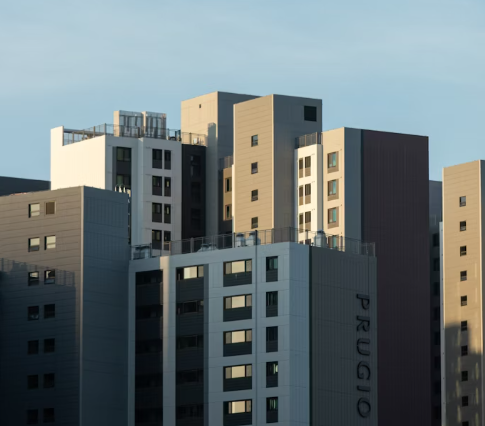
Renting an apartment in Korea involves understanding unique deposit systems like jeonse and wolse, gathering necessary documents including your ARC and employment proof, and navigating contracts that differ significantly from Western rental agreements. Most foreigners opt for wolse (monthly rent) or officetel options, which require lower upfront deposits than traditional jeonse.
1. Why Renting in Korea Feels Different
Many foreigners are surprised to learn that Korea’s rental system operates on principles quite different from what they’re used to. The concept of paying several months’ rent as a deposit seems normal enough. However, Korea takes this to another level with deposit amounts that can reach tens of thousands of dollars.
The system developed from Korea’s unique financial culture and real estate market dynamics. Landlords traditionally preferred large lump-sum deposits that they could invest, rather than collecting monthly rent. While this system is gradually shifting, especially in Seoul, understanding these fundamentals helps foreigners navigate their housing search more effectively.
For someone arriving in Korea for work or study, the initial shock of seeing deposit requirements can be overwhelming. Yet the market offers various options tailored to different budgets and circumstances.
2. Understanding Korea’s Rental Systems
Jeonse (전세)
Jeonse represents the most traditional Korean rental arrangement. Tenants pay a large deposit—often 50% to 80% of the property’s total value—but no monthly rent. At the end of the contract, usually two years, the landlord returns the full deposit.
This system works because landlords can invest the deposit money and earn returns. For tenants with substantial savings, jeonse offers the advantage of living rent-free aside from utilities. However, most foreigners find the deposit requirements prohibitively expensive. A modest apartment in Seoul might require a jeonse deposit of 100 million won or more.
Wolse (월세)
Wolse more closely resembles rental systems in other countries. Tenants pay a smaller deposit (typically 5 million to 20 million won) plus monthly rent. The deposit amount and monthly rent exist in an inverse relationship. A higher deposit usually means lower monthly payments, and vice versa.
Most foreigners opt for wolse arrangements. The upfront cost remains manageable, and monthly budgeting becomes more straightforward. Landlords have become increasingly open to wolse contracts, especially in areas with high foreign populations like Itaewon, Gangnam, or university districts.
Half-Jeonse and Mixed Options
Some landlords offer half-jeonse arrangements, which fall between pure jeonse and wolse. These require moderate deposits with relatively low monthly rent. The flexibility of these arrangements appeals to foreigners who have some savings but cannot afford full jeonse deposits.
3. Essential Documents and Requirements
The documentation process for renting in Korea can feel bureaucratic, but it follows a logical structure. Landlords need assurance that foreign tenants can fulfill their obligations and will remain in Korea for the contract duration.
Alien Registration Card (ARC)
Your ARC serves as the primary identification document. Landlords require this to verify your legal status in Korea. Without an ARC, rental options become severely limited. Some landlords accept passport copies for very short-term arrangements, but standard rental contracts require an ARC.
Employment Verification
Most landlords request proof of employment or income. This might include an employment contract, recent pay stubs, or a letter from your employer. Students can substitute acceptance letters from their university or scholarship documentation.
The employment verification reassures landlords about your ability to pay rent consistently. Some landlords, particularly those managing officetels or buildings popular with foreigners, have streamlined processes and may be more flexible about documentation.
Bank Statements
Recent bank statements demonstrate financial stability. Landlords want to see that you maintain sufficient funds to cover deposits and several months of rent. Three months of statements typically suffices.
Guarantor or Insurance
Some rental situations require a Korean guarantor—someone who agrees to cover your obligations if you default. This requirement poses challenges for foreigners without close Korean connections. Fortunately, rental guarantee insurance has become more common. Companies like HUG (Korea Housing and Urban Guarantee Corporation) offer insurance products that satisfy landlord requirements without needing a personal guarantor.
4. Finding Your Apartment
Real Estate Agents (Budongsan)
Real estate agencies, called budongsan, are found throughout Korea. These small offices, often at street level, manage local property listings. Agents earn commissions from successful rentals, typically 0.3% to 0.5% of the deposit or annual rent.
Walking into a budongsan can be intimidating if you don’t speak Korean. However, many agents in foreigner-heavy areas speak basic English or use translation apps. Bringing a Korean-speaking friend helps tremendously. Agents can show multiple properties quickly and handle negotiations with landlords.
Online Platforms
Several websites cater to foreign residents seeking housing. Craigslist Korea maintains active housing sections, though listings require careful verification. Facebook groups for specific cities or foreigner communities share housing opportunities and roommate searches.
Korean platforms like Zigbang, Dabang, and Naver Real Estate list thousands of properties. These apps show photos, floor plans, and basic information. While most content is in Korean, translation features make them accessible. Some listings include agent contact information for direct inquiries.
University Housing Offices
Students should check their university’s housing support services. Many institutions maintain partnerships with local landlords or operate their own dormitories and goshiwon facilities. These options often simplify the rental process and may offer more favorable terms for students.
5. The Contract Process
Korean rental contracts, called imde gyeyakseo, contain specific legal provisions. Contracts are typically in Korean, so having a trusted translator review the terms before signing is wise. Standard contracts run for two years, though one-year options exist.
Key Contract Elements
The contract specifies the deposit amount, monthly rent, payment schedule, and contract duration. It should clearly state what utilities are included and what tenants pay separately. Maintenance responsibilities need clear definition—who handles repairs for appliances, plumbing issues, or structural problems.
Move-in and move-out conditions deserve attention. The contract should document the apartment’s initial condition. Take photos of any existing damage to avoid disputes when your deposit is returned.
Registration
After signing the contract, registration with the local district office (dong office) is necessary. This registration, called jeonip singo, protects your rights as a tenant. The registration process establishes legal priority if disputes arise with the landlord or other parties. Your landlord should cooperate with this process, as it benefits both parties legally.
Payment Methods
Deposit and rent payments are usually made via bank transfer. Set up automatic transfers for monthly rent to avoid late payment issues. Keep records of all transactions. Some landlords accept cash, but bank transfers provide clear documentation that protects both parties.
6. Types of Housing Options
Officetel
Officetels are studio-style apartments in multi-use buildings. Originally designed as combined office and residential spaces, they now primarily serve as compact living quarters. Officetels appeal to foreign residents because they require smaller deposits than traditional apartments and often include basic furniture and appliances.
These units suit single professionals or students. The tradeoff for convenience and lower deposits is typically smaller living space and thinner walls compared to dedicated residential buildings.
One-Room and Studio
One-room apartments offer basic accommodations with a combined living and sleeping area, plus a small kitchen and bathroom. These units are affordable and widely available near universities and business districts.
Studios provide slightly more space and better separation between the kitchen and main living area. Both options work well for individuals or couples prioritizing affordability and location over space.
Goshiwon
Goshiwon are extremely compact rooms, originally designed for students preparing for exams. These tiny spaces include a bed, desk, and basic storage, with shared bathrooms and sometimes communal kitchens. Monthly costs are very low, and deposits are minimal or nonexistent.
While cramped, goshiwon serve as temporary solutions for newcomers to Korea who need immediate, affordable housing while searching for better long-term options.
Larger Apartments
Two or three-bedroom apartments suit families or those wanting more space. These require higher deposits and monthly rent but offer proper living, dining, and sleeping areas. Such apartments are more common in residential neighborhoods outside central districts.
7. Important Considerations and Tips
Negotiation Room
Many foreigners don’t realize that rental terms are often negotiable. Landlords sometimes adjust the balance between deposit and monthly rent. If you can afford a higher deposit, you might secure lower monthly payments. Conversely, offering to pay several months rent in advance might convince a landlord to reduce the initial deposit.
Rental prices also fluctuate based on season. Summer, particularly August, sees peak demand as the school year begins and job transfers occur. Winter months sometimes offer better negotiating leverage.
Utility Costs
Monthly utility bills include electricity, gas, water, and internet. Electricity costs vary significantly based on usage, with higher consumption triggering progressive pricing tiers. Winter heating expenses can surprise newcomers, especially in older buildings with less insulation.
Management fees, called gwanlipee, cover building maintenance, cleaning, and sometimes water. These fees vary by building and should be confirmed before signing contracts.
Contract Renewal
As your initial contract period ends, you have the option to renew. Landlords can increase rent, but Korean law limits annual increases to 5%. If you’ve been a reliable tenant, renewal negotiations usually proceed smoothly.
Provide notice if you plan to move out. Most contracts require one to two months’ notice. This advance warning allows landlords to find new tenants and ensures you receive your full deposit back promptly.
Red Flags
Be cautious of deals that seem too good to be true. Unusually low deposits or rent compared to similar properties might indicate problems with the unit or unreliable landlords. Research the building’s condition and neighborhood safety.
Verify that the landlord actually owns the property. Request documentation proving ownership before transferring any money. Scams targeting foreigners are rare but not unheard of, particularly in private transactions outside established agencies.
8. Additional Resources and FAQ
Can I rent without speaking Korean?
Yes, though it becomes more challenging. Many landlords and agents in areas with large foreign populations accommodate English speakers. Bringing a Korean-speaking friend or hiring a relocation service helps navigate the process more smoothly.
What happens to my deposit?
Landlords must return your full deposit when you move out, assuming the apartment’s condition matches move-in standards minus normal wear and tear. Deductions might apply for damage beyond ordinary use. The deposit return typically occurs within days to weeks after moving out, though delays sometimes happen.
Are furnished apartments available?
Partially furnished apartments are common, usually including basic appliances like a refrigerator and washing machine. Fully furnished options with beds and sofas are less common but can be found, particularly in officetels marketed to foreigners or short-term residents.
Conclusion
Renting an apartment in Korea requires understanding unique systems and preparing appropriate documentation. The initial complexity decreases as you become familiar with jeonse and wolse concepts, gather necessary papers, and learn to work with real estate agents.
Starting with modest accommodations while learning about different neighborhoods allows you to make informed decisions about long-term housing. The Korean rental market offers diverse options across various price points, and landlords have become increasingly accustomed to working with foreign tenants.
Once settled, you might explore related topics like registering with your local district office, understanding Korean housing etiquette, or learning about tenant rights and responsibilities under Korean law.
“How to Rent an Apartment in Korea as a Foreigner”에 대한 1개의 생각