Korea Payment Methods: Cash, Cards, Samsung Pay, and Kakao Pay Explained
Daily payments in South Korea are fast and largely cashless. A practical guide for foreigners on cards, transportation cards, mobile pay, banking, and ATMs.
Korea payment methods are advanced and convenient. Korea payment methods are one of the first things foreigners notice, and mastering Korea payment methods makes shopping easy many foreign residents notice, mainly because of how quickly people complete transactions. Whether buying a coffee, paying for transportation, or shopping at a supermarket, payments are often processed within seconds.
When I first arrived in Korea, I expected to use cash frequently, just as I had in some other countries. Instead, I quickly discovered that many residents relied heavily on cards and digital payment methods for even small purchases.
While adapting to local habits may seem like a minor detail, understanding daily payments in South Korea can make everyday life significantly smoother and help newcomers feel more comfortable navigating daily routines.
💳 The Shift Toward Cashless Transactions
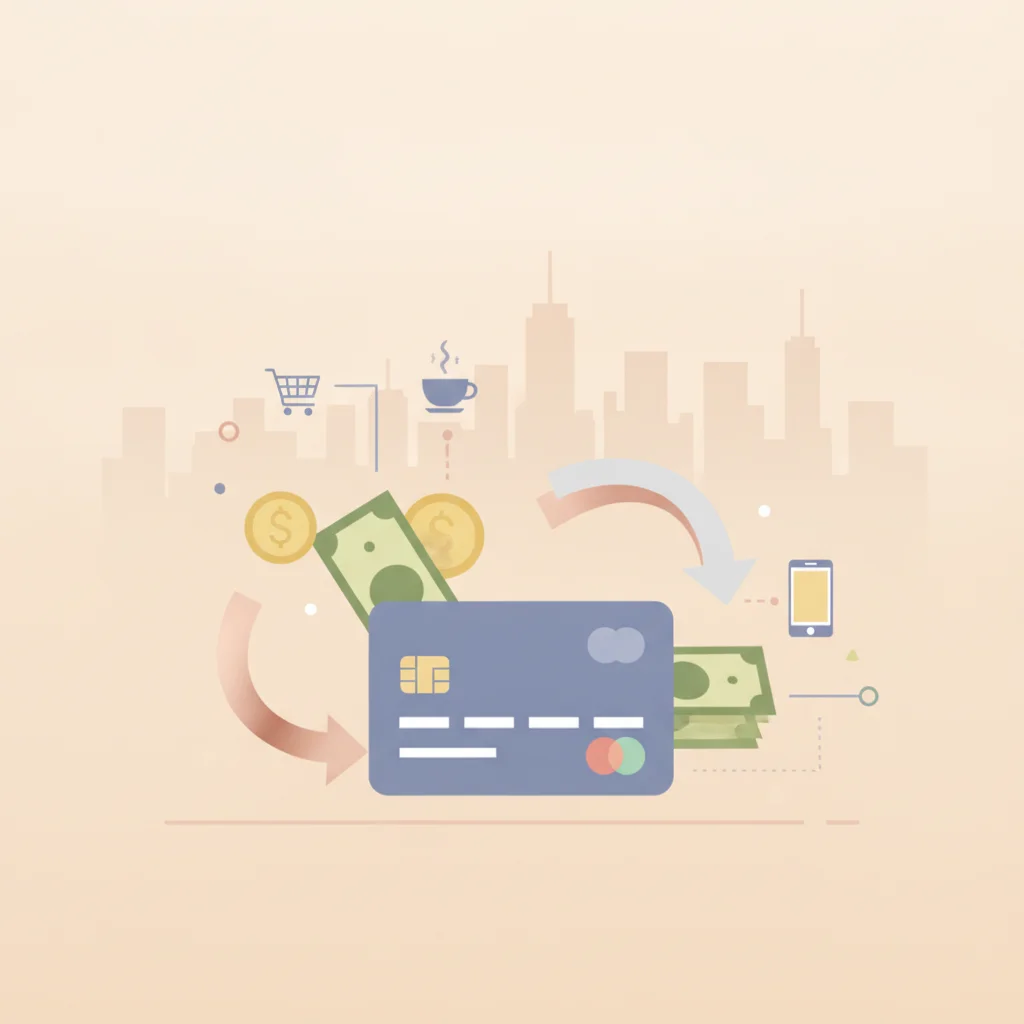
South Korea has embraced electronic payments to a remarkable degree. In many situations, residents routinely use:
- 💳 Debit cards
- 💰 Credit cards
- 🚇 Transportation cards
- 📱 Mobile payment systems
- 🛒 Online payment platforms
As a result, carrying large amounts of cash is often unnecessary for everyday activities. That said, cash is still accepted in many places and remains useful in certain situations. Most long-term residents find that maintaining access to both cash and electronic payment methods provides flexibility.
🏪 Why Cards Are So Common
Card payments have become a standard part of daily payments in South Korea. People commonly use cards for:
- 🍽️ Restaurant meals
- 🛒 Grocery shopping
- 🚌 Transportation
- ☕ Coffee shops
- 🛍️ Retail purchases
Even relatively small transactions are often completed by card. This widespread acceptance makes everyday purchases convenient and efficient. For newcomers, becoming comfortable with card-based transactions usually happens very quickly.
🚇 Transportation Cards Beyond Public Transit
Many foreign residents first encounter transportation cards when using buses and subways. However, transportation cards can sometimes be used for additional purchases as well. Depending on the service provider and location, they may be accepted at:
- 🏪 Convenience stores
- 🥤 Vending machines
- 🛍️ Certain retail locations
This versatility helps explain why cards like T-money remain popular even among people who also use bank cards regularly. Our Korea public transportation guide explains how to top them up, and keeping one charged can simplify daily commuting and small purchases.
📱 Mobile Payments in Daily Life
Another noticeable aspect of Korean payment culture is the growing popularity of mobile transactions. Many residents use smartphones to:
- 🛒 Complete purchases
- 🎫 Access memberships
- 💾 Store payment information
- 🎁 Manage loyalty programs
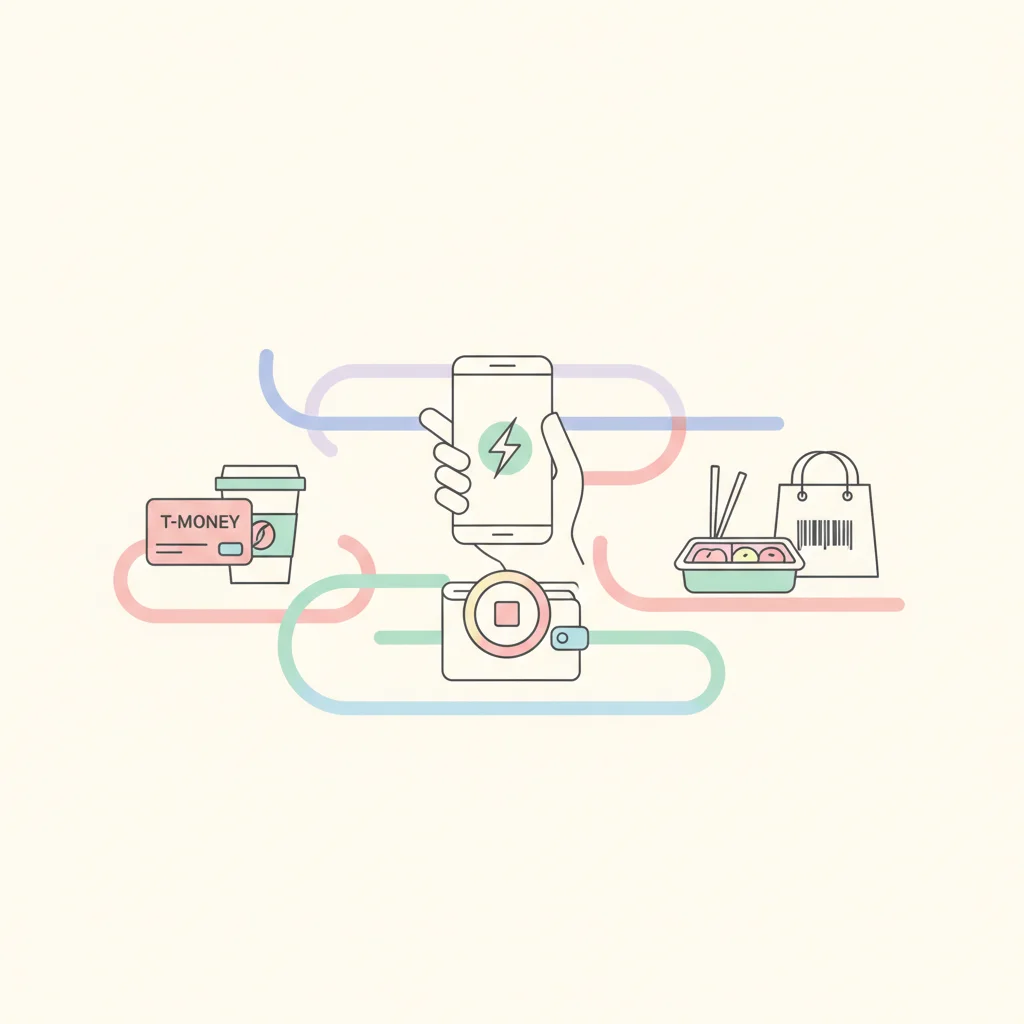
Services such as Kakao Pay appeal to many people who prefer carrying fewer physical cards. However, adoption varies based on individual preference, age group, and personal circumstances. Foreign residents often begin with traditional Korea payment methods card payments before gradually exploring additional options if they find them useful.
🛍️ Online Purchases and Digital Transactions
Online shopping is deeply integrated into Korean life, and many residents regularly order products online. This creates a need for efficient digital payment systems. Common activities include:
- 🧻 Purchasing household goods
- 🍜 Ordering food
- 📅 Booking services
- 🎟️ Buying event tickets
Because online transactions are so common, many residents become comfortable managing purchases digitally as part of their everyday routine. Our guide to digital tools in Korea covers the apps that make this possible.
🏦 Understanding Everyday Banking Habits
Although banking systems differ across countries, several general patterns are common in Korea. Many residents use banking services for:
- 💵 Salary deposits
- 🧾 Utility payments
- 🏧 Savings
- 🔄 Everyday transactions
Digital banking has become increasingly important, allowing people to manage many tasks without visiting a physical branch. The Financial Supervisory Service offers official information for foreign residents. Becoming familiar with available banking options can help streamline financial administration and reduce unnecessary paperwork.
🏧 ATMs and Access to Cash
Despite the popularity of electronic payments, access to cash remains important within daily payments in South Korea. ATMs are commonly found in:
- 🏦 Banks
- 🏪 Convenience stores
- 🛍️ Shopping centers
- 🚉 Transportation hubs
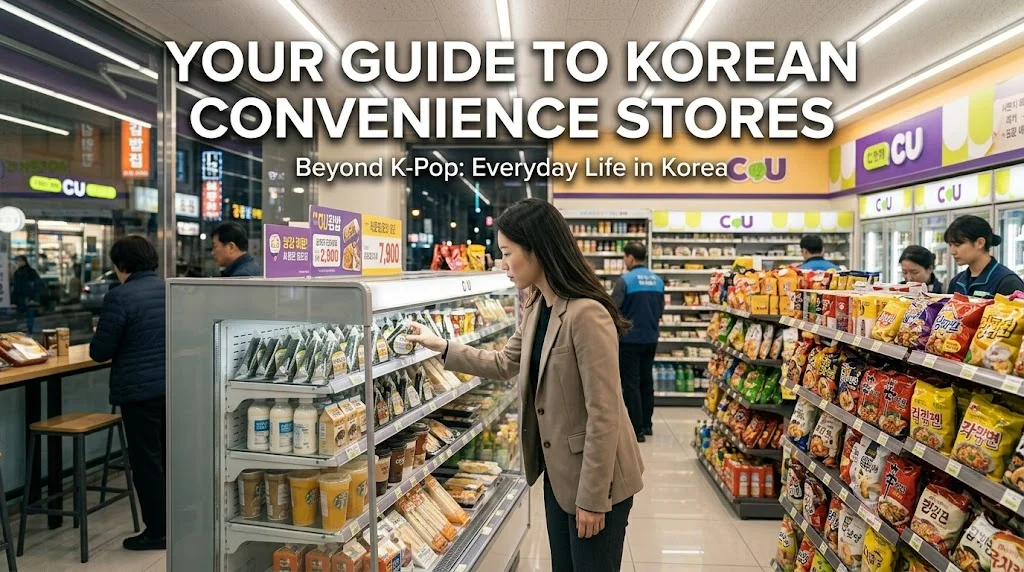
Having access to cash can be useful for situations where electronic payments are unavailable or inconvenient. Most residents maintain a balance between digital and cash-based options depending on their needs. Our Korean convenience store guide shows how stores double as handy ATM locations.
🧠 Learning Through Everyday Purchases
One of the easiest ways to become comfortable with Korean payment systems is through routine transactions. Daily activities such as buying coffee, taking public transportation, shopping for groceries, and visiting local businesses provide opportunities to observe how payment processes work. After a few weeks, many newcomers realize that the system feels much more familiar than it did initially. Small experiences often build confidence more effectively than extensive research.
❓ Korea Payment Methods: Common Questions
When helping newcomers adjust to life in Korea, I frequently hear similar concerns. People often wonder whether they should carry cash, whether cards are accepted everywhere, and which payment method is best. The answer usually depends on individual circumstances. Most residents find that maintaining several payment options provides the greatest flexibility. Rather than relying exclusively on one method, they adapt based on the situation.
⚡ Korea Payment Methods: Daily Convenience
One reason electronic payments have become so common is convenience. Fast transactions help people save time, reduce administrative tasks, and manage purchases efficiently. These benefits align with broader themes found throughout Korean daily life, including efficiency, accessibility, and digital integration. Payment systems are simply one example of how these values influence everyday routines.
💡 Practical Tips for New Foreign Residents
If you are still adjusting to life in Korea, consider the following habits.
💳 Keep Multiple Payment Options Available
Having more than one way to pay can be helpful in unexpected situations.
🗣️ Learn Local Payment Terminology
Understanding a few common payment-related words can improve confidence during transactions.
🚇 Monitor Transportation Card Balances
Regularly checking balances helps avoid inconvenience during commutes.
🔐 Save Important Financial Information Securely
Organized records make daily administration easier. These small habits can reduce stress and improve efficiency.
🔄 How Payment Habits Change Over Time
Many foreign residents notice an interesting shift after several months in Korea. Initially, they spend time actively thinking about how to pay for things. Eventually, transactions become automatic. People develop routines that fit their lifestyle and no longer need to think carefully about each purchase. This pattern reflects a broader truth about living abroad: many systems that seem unfamiliar at first eventually become second nature.
✅ Korea Payment Methods: Mastering Daily Use
Understanding daily payments in South Korea is an important part of adapting to life here. From transportation cards and Korea payment methods card payments to mobile transactions and online purchases, residents have access to a variety of convenient payment options.
For foreign residents, becoming familiar with these systems helps simplify daily life and build confidence in routine situations. Like many aspects of living in Korea, payment habits may initially feel unfamiliar, but they quickly become part of a comfortable everyday routine.
❓ FAQ
Is cash still used in South Korea?
Yes. Although electronic payments are very common, cash remains accepted and useful in certain situations.
Are Korea payment methods card payments widely accepted?
Generally, Korea payment methods card payments are common throughout Korea and are used for many everyday transactions.
Do I need a transportation card if I already have a bank card?
Many residents find transportation cards convenient for public transit and certain small purchases, even when they also use bank cards regularly.
What is the most common way to handle daily payments in South Korea?
The most common way to handle daily payments in South Korea is by card, supported by transportation cards, mobile payment apps, and occasional cash.
📚 Related Guides
- Korea Public Transportation Guide
- Essential Digital Tools in South Korea
- Korean Convenience Store Guide