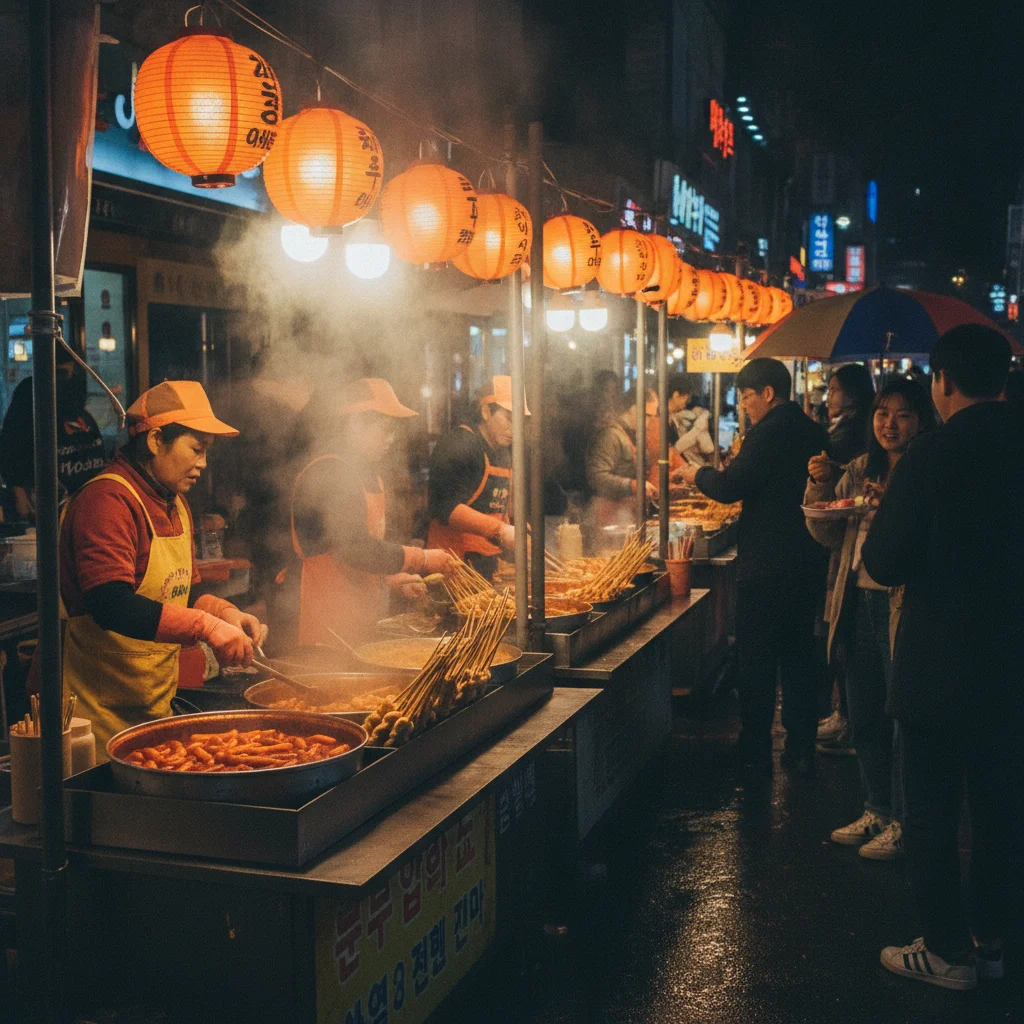
Korean Traditional Markets Guide: Best Markets, What to Buy, and Bargaining Tips
Traditional markets in South Korea offer fresh food, local character, and community. A practical guide for foreign residents on what to expect and how to…
Korean traditional markets remain vibrant community hubs. Korean traditional markets continue to play a significant role, and visiting Korean traditional markets offers authentic experiences in everyday life, even though many people imagine shopping here as modern supermarkets, department stores, or online delivery. Those options are certainly common, but markets remain part of communities across the country.
During my first few months in Korea, I often visited large supermarkets because they felt familiar. Eventually, a local friend suggested exploring a nearby traditional market. What started as simple curiosity became a regular habit. I discovered Korean traditional markets fresh produce, local snacks, household goods, and a more personal shopping experience than I expected.
For foreign residents, traditional markets in South Korea offer more than just a place to buy things. They provide an opportunity to better understand local communities and everyday Korean life.
🏪 What Is a Traditional Market?
Traditional markets, often called “sijang” (시장) in Korean, are collections of small independent vendors selling a wide variety of products. Depending on the market, you may find:

- 🍎 Fresh fruits and vegetables
- 🦑 Seafood
- 🥩 Meat
- 🍲 Prepared foods
- 👕 Clothing
- 🍳 Kitchen supplies
- 🧺 Household items
- 🍂 Seasonal products
Some markets have existed for decades and continue to serve neighborhoods that have grown around them. Unlike large chain stores, traditional markets often reflect the unique character of the local area. The Korea Tourism Organization lists many historic markets worth visiting.
🤔 Why Many Residents Still Shop at Markets
With modern supermarkets available almost everywhere, some newcomers wonder why traditional markets in South Korea remain popular. Several reasons help explain their continued importance.
🥬 Fresh Products
Many shoppers visit markets for fresh ingredients. Vendors often specialize in specific categories such as:
- 🐟 Seafood
- 🍓 Fruits
- 🥕 Vegetables
- 🌾 Grains
- 🌿 Herbs
This specialization allows customers to compare products from multiple sellers in a relatively small area.
🤝 Community Connections
Traditional markets often create a stronger sense of interaction between shoppers and vendors. Regular customers may become familiar faces over time. Even if your Korean language skills are limited, repeated visits can help build confidence and create positive interactions within the neighborhood.
🎨 Local Character
Each market has its own atmosphere. Some focus heavily on food, while others are known for clothing, household goods, or specialty products. The Visit Seoul guide shows how diverse Korean markets can be.
👀 What to Expect During Your First Visit
The first visit to a traditional market can feel overwhelming. Markets are often busy, especially during weekends and holiday periods. You may encounter:

- 🚶 Narrow walkways
- 🍜 Crowded food areas
- 🛍️ Numerous product displays
- 🗣️ Active conversations between vendors and customers
Rather than trying to see everything at once, consider focusing on a single section during your first visit. This approach makes the experience more enjoyable and less tiring.
🍢 Food Is Often a Major Attraction
For many foreign residents, market food becomes one of the most memorable aspects of the experience.
🥟 Prepared Foods
Many markets sell ready-to-eat dishes that can be enjoyed while walking through the area or taken home. Depending on the market, you may find:
- 🍚 Rice dishes
- 🥞 Pancakes
- 🥟 Dumplings
- 🍜 Noodle dishes
- 🍤 Fried snacks
If you enjoy market food, our guide to ordering food in Korea offers more ways to explore local dishes.
🍂 Seasonal Specialties
One thing I appreciate about Korean markets is how they reflect seasonal changes. Different products become more visible throughout the year. For example:
- ☀️ Summer may bring an abundance of seasonal fruits.
- 🍁 Autumn often highlights harvest-related products.
- ❄️ Winter markets may feature warming foods and seasonal ingredients.
This seasonal variety adds interest to repeat visits.
💡 Practical Shopping Tips
Foreign residents often ask how to shop comfortably in traditional markets in South Korea. A few simple habits can help.
🛍️ Bring Reusable Bags
While some vendors provide bags, carrying your own reusable shopping bag is convenient and environmentally friendly.
💳 Carry Multiple Payment Options
Many vendors now accept electronic payments, but payment methods can vary. Having a backup option can be useful.
🕒 Visit During Less Busy Hours
Morning and early afternoon visits are often more relaxed than peak shopping periods. This can make browsing easier, especially if you are still becoming familiar with the market.
🚶 Take Your Time
There is rarely a need to rush. Part of the appeal of traditional markets is the opportunity to explore and discover new products.
🗣️ Language Challenges Are Usually Manageable
Some foreigners worry that visiting traditional markets requires advanced Korean skills. In reality, basic communication is often enough. Common interactions may involve:
- 💰 Asking for prices
- 🔢 Indicating quantities
- 🛒 Making simple purchases
- 🙏 Expressing thanks
Many vendors are accustomed to serving a variety of customers and understand that not everyone speaks Korean fluently. I have seen newcomers gain confidence surprisingly quickly simply by practicing a few phrases during regular visits.
🏘️ Markets as Community Spaces
Traditional markets are not only shopping destinations. They often function as social spaces where people:
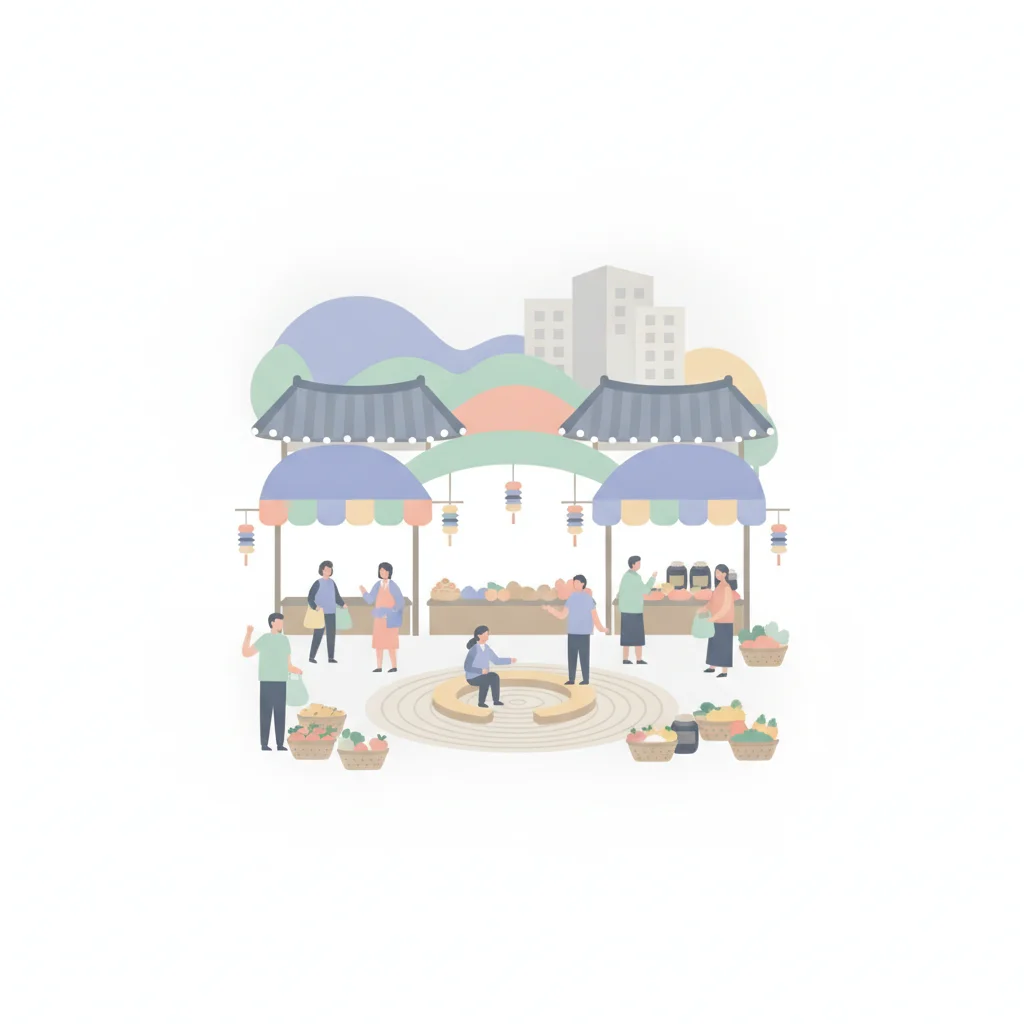
- 👋 Meet neighbors
- 📢 Share local information
- 🍲 Enjoy meals
- 👨👩👧 Spend time with family
This community aspect distinguishes markets from many modern retail environments. As a foreign resident, spending time in these spaces can provide a deeper understanding of everyday life beyond tourist attractions.
🗓️ How Markets Change Throughout the Year
One of the most interesting aspects of traditional markets in South Korea is how they evolve with the seasons.
- 🌸 Spring: Fresh vegetables and seasonal produce become more prominent.
- ☀️ Summer: Cooling foods and seasonal fruits often attract attention.
- 🍁 Autumn: Harvest products appear in greater variety.
- ❄️ Winter: Warm foods and seasonal specialties become popular.
Visiting the same market throughout the year can provide insight into how Korean food culture adapts to seasonal rhythms. Our guide to Korea’s four seasons explores this further.
🏬 Supporting Local Businesses
Traditional markets are largely composed of small businesses and independent vendors, supported by organizations such as the Small Enterprise and Market Service (SEMAS). Shopping at these markets helps support local economic activity and preserve longstanding community traditions.

Many residents appreciate having both modern retail options and traditional markets available. Rather than competing directly, these different shopping environments often serve complementary roles. For everyday essentials, our convenience store food guide covers another popular option.
🔁 Making Markets Part of Your Routine
You do not need to become a regular market shopper immediately. A gradual approach works well. You might start by:
- 📅 Visiting once a month.
- 🧭 Exploring one section at a time.
- 🍡 Trying a new food item.
- 🥗 Purchasing a few household ingredients.
Over time, many foreign residents discover favorite vendors, products, and seasonal offerings. What begins as an occasional visit can become an enjoyable part of life in Korea.
✅ Korean Traditional Markets: Why Visit
Traditional markets in South Korea remain an important part of daily life despite the growth of supermarkets and online shopping. They offer fresh products, local character, community interaction, and a unique perspective on Korean culture.
For foreign residents, markets provide both practical shopping opportunities and valuable cultural experiences. Even occasional visits can help deepen your understanding of the neighborhood and connect you with everyday life beyond the digital world.
In the next article, we will explore how Korea’s four distinct seasons influence daily routines, clothing, transportation, and community life throughout the year.
❓ FAQ
Korean Traditional Markets: Language tips
No. Basic communication is usually sufficient, and many transactions can be completed with simple phrases or gestures.
Korean Traditional Markets: Price comparison
Prices vary depending on the product, season, and market. Some items may be less expensive, while others are similarly priced.
Korean Traditional Markets: Best time to visit
Weekday mornings and early afternoons are often less crowded, making them a comfortable time for first-time visitors.
Korean Traditional Markets: What to buy
Traditional markets in South Korea sell Korean traditional markets fresh produce, seafood, meat, prepared foods, clothing, kitchen supplies, household items, and seasonal specialties.
📚 Related Guides
- How to Order Food in Korea
- How Daily Life Changes Through the Four Seasons
- Convenience Store Food in Korea