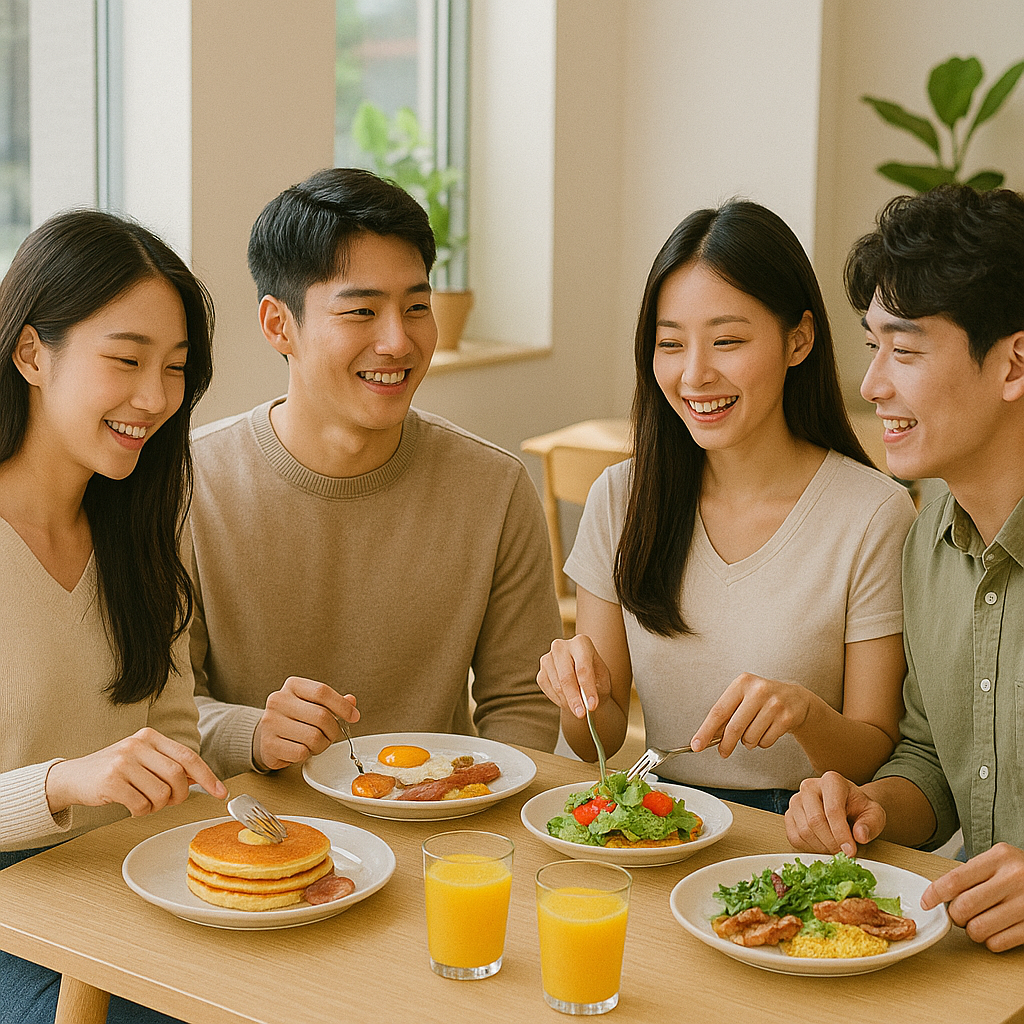
Honestly, who could have guessed that brunch — that lazy, in-between meal once reserved for weekends abroad — would become one of Korea’s biggest lifestyle trends? Yet here we are. On any given Saturday in Seoul, lines snake around popular brunch cafés. Pancakes stack high next to eggs benedict, and there’s that unmistakable hiss of espresso machines harmonizing with the chatter of friends catching up.
It’s not just about food. It’s a mood.
Many people say they first got hooked on brunch after a trip abroad or a scroll through Instagram. Others simply wanted a slower, more relaxed way to start the day. The truth is, brunch in Korea has grown into something far bigger — a cultural statement that blends taste, time, and a touch of luxury.
But what sparked this rise? And what does it say about how Koreans live, eat, and connect today? Let’s dive into the story behind Korea’s modern brunch wave — and why it shows no sign of slowing down.
How Did Brunch Culture Begin in Korea?
In the early 2000s, brunch was a foreign word to most Koreans. Cafés served coffee and maybe a slice of cake, but eggs and avocado toast at 11 a.m.? That was unheard of. Things began to shift when overseas travel became more accessible, and people brought back their love for Western-style cafés.
At first, brunch spots catered to expats and travelers in Itaewon or Hongdae. However, as Korean tastes evolved, so did the menu. Local chefs began fusing Western brunch classics with Korean ingredients — think kimchi eggs benedict, bulgogi sandwiches, or honey butter pancakes topped with seasonal fruits.
What’s fascinating is how this wasn’t just about food. It was about lifestyle. The brunch table became a symbol of leisure — something once rare in Korea’s fast-paced work culture. Slowly but surely, “having brunch” started to mean taking a moment for yourself.
Why Does Brunch Appeal So Much to Modern Koreans?
The appeal runs deeper than just delicious food. Brunch in Korea reflects a social shift — from efficiency-driven dining to experience-driven moments.
For years, Koreans were known for their fast meals: convenience store lunches, delivery dinners, quick bites between work. But as work-life balance became a buzzword and self-care culture grew, many began craving slower, more intentional meals.
Brunch fit that perfectly.
It’s flexible, social, and photogenic — a mix that resonates with young professionals and creatives. People can sleep in, meet friends, sip good coffee, and still feel like they’re making the most of the day. The relaxed atmosphere also makes it ideal for dates or casual meetups.
And of course, there’s the social media factor. The aesthetics of a well-plated brunch — soft lighting, clean dishes, latte art — fit beautifully on Instagram feeds. It’s not about showing off, exactly, but about sharing a moment of calm beauty amid busy city life.
Let’s be honest — Korea’s brunch culture wouldn’t be what it is without social media. Platforms like Instagram, Naver Blog, and TikTok have turned cafés into cultural landmarks.
People often discover new spots through beautifully shot reels or tagged posts. A single viral photo can make a café go from empty to fully booked overnight. That’s why interior design has become just as important as food.
Owners now curate their spaces like art galleries: sunlit corners, minimalist furniture, pastel color palettes, even imported tableware. Some cafés go all out with rooftop gardens or pet-friendly patios, creating spaces that feel both urban and natural.
In a way, brunch cafés have become mini sanctuaries — places where people recharge not just with food but with atmosphere.
How Local Flavors Are Shaping Korean Brunch
One of the most exciting parts of this trend is how Korean chefs have made brunch their own. Instead of copying Western menus, many have reinterpreted them through local ingredients and sensibilities.
For instance, you’ll find brunch plates with doenjang (soybean paste) dressing, perilla leaf salads, or rice-based options like gimbap bowls alongside traditional eggs and bacon. Even the drinks tell a story — from mugwort lattes to seasonal fruit ades made with local produce.
This blending of global and local tastes has made Korean brunch culture uniquely its own. It’s not just imported lifestyle mimicry; it’s creative reinterpretation.
What Does Brunch Say About Modern Korean Values?
At its core, the rise of brunch reflects Korea’s changing relationship with time, rest, and self-expression.
Older generations might view leisurely late-morning meals as indulgent. But for many younger Koreans, brunch represents freedom — a chance to step away from rigid schedules and savor the present moment.
It’s also about connection. In a culture where personal time is often limited, brunch offers a chance to slow down, talk, and feel human again. Some even say it’s become a quiet form of resistance against hustle culture.
In that sense, brunch isn’t just about eating late. It’s about living differently.
The Future of Brunch in Korea
So, where is this all heading? Experts predict brunch will continue evolving — especially beyond Seoul. Smaller cities like Busan, Jeonju, and Daegu are already seeing a boom in creative brunch cafés run by young entrepreneurs.
Health-conscious menus, plant-based options, and locally sourced ingredients are also gaining traction. People are becoming more mindful not only of taste but of sustainability.
Brunch, it seems, isn’t a passing trend. It’s a reflection of a deeper cultural transformation — one that values rest, community, and joy in small rituals.
FAQ
Q. Why has brunch become so popular among young Koreans?
A. It aligns with modern values — self-care, social connection, and slower living. Plus, it’s a perfect weekend ritual for those seeking balance after a hectic week.
Q. Are brunch cafés expensive in Korea?
A. Prices vary, but most cost around ₩15,000–25,000 per person. It’s seen as an occasional treat rather than an everyday meal.
Q. Do Koreans eat traditional food for brunch too?
A. Absolutely. Many cafés now blend Western-style brunch with Korean elements, offering dishes like gochujang shakshuka or kimchi omelets.
Q. Is brunch popular outside Seoul?
A. Yes! Cities like Busan and Jeju have thriving brunch scenes, often emphasizing local produce and seaside views.
At the end of the day, brunch in Korea isn’t just about food — it’s a celebration of slowing down, sharing stories, and finding a moment of peace amid the rush. Maybe that’s why so many people can’t get enough of it.